
Last updated November 24, 2026
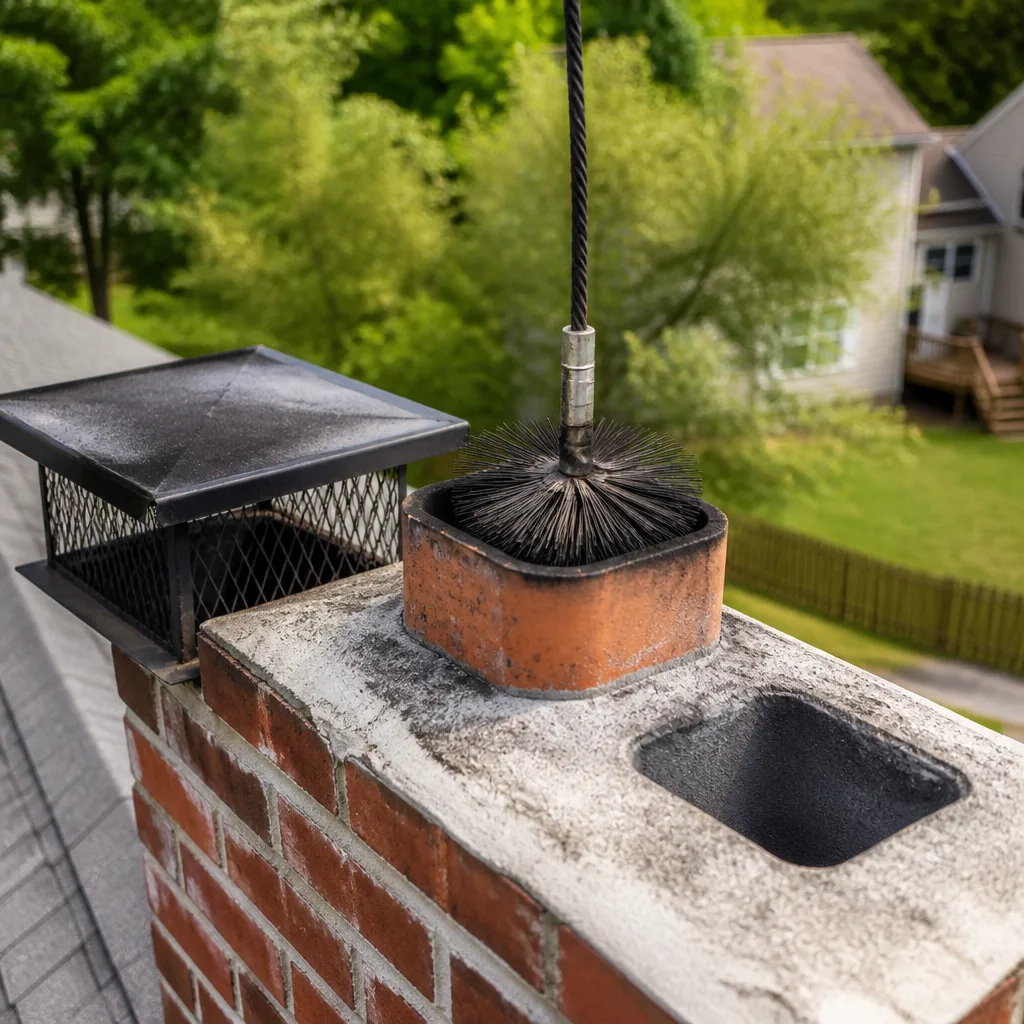 Sweep & inspection
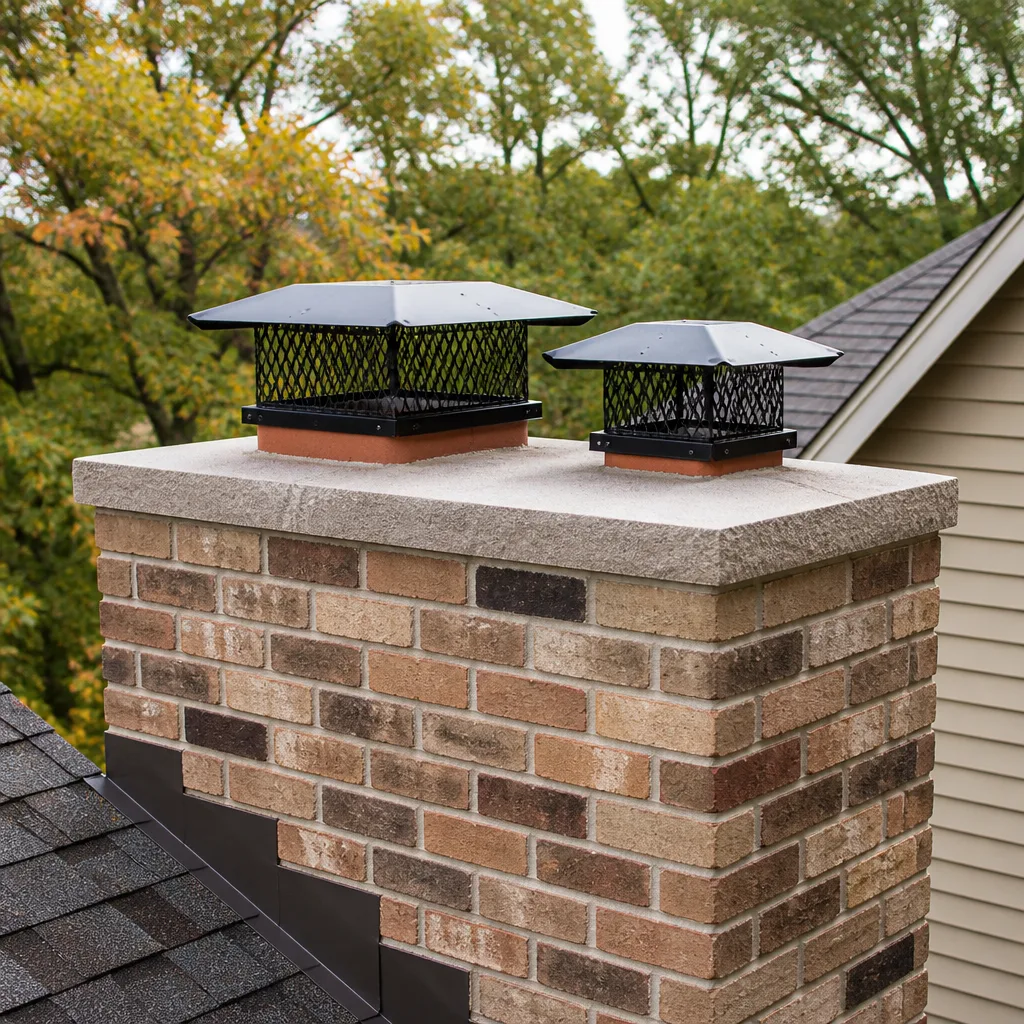 Caps & crowns
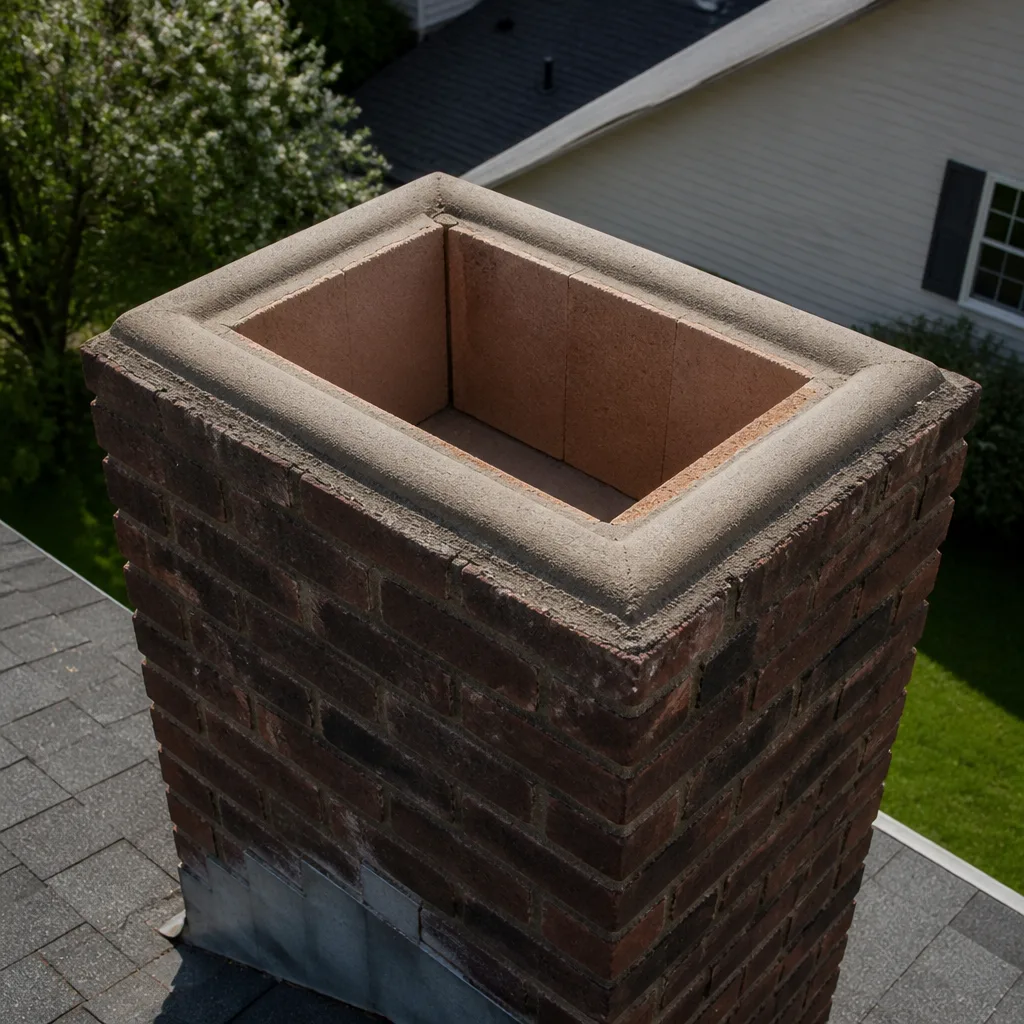 Flue relining
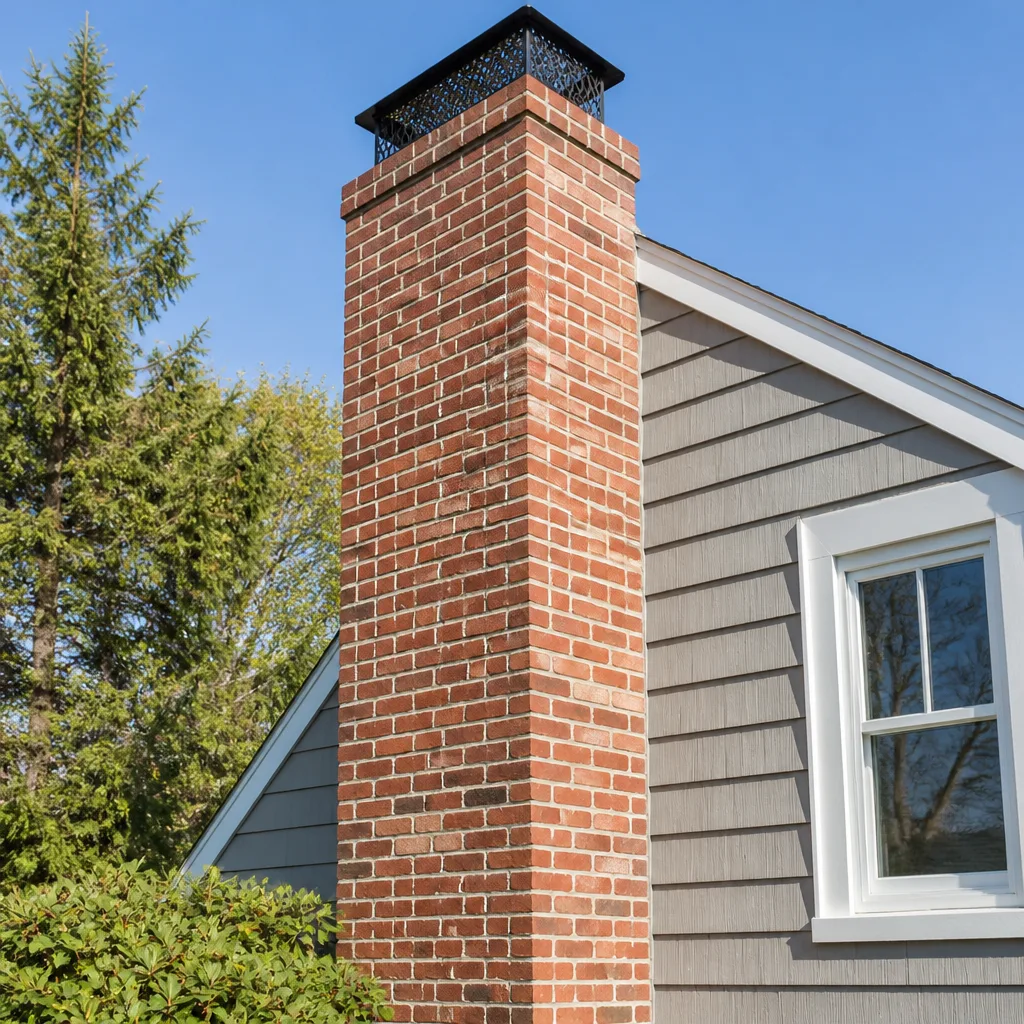 Masonry repair
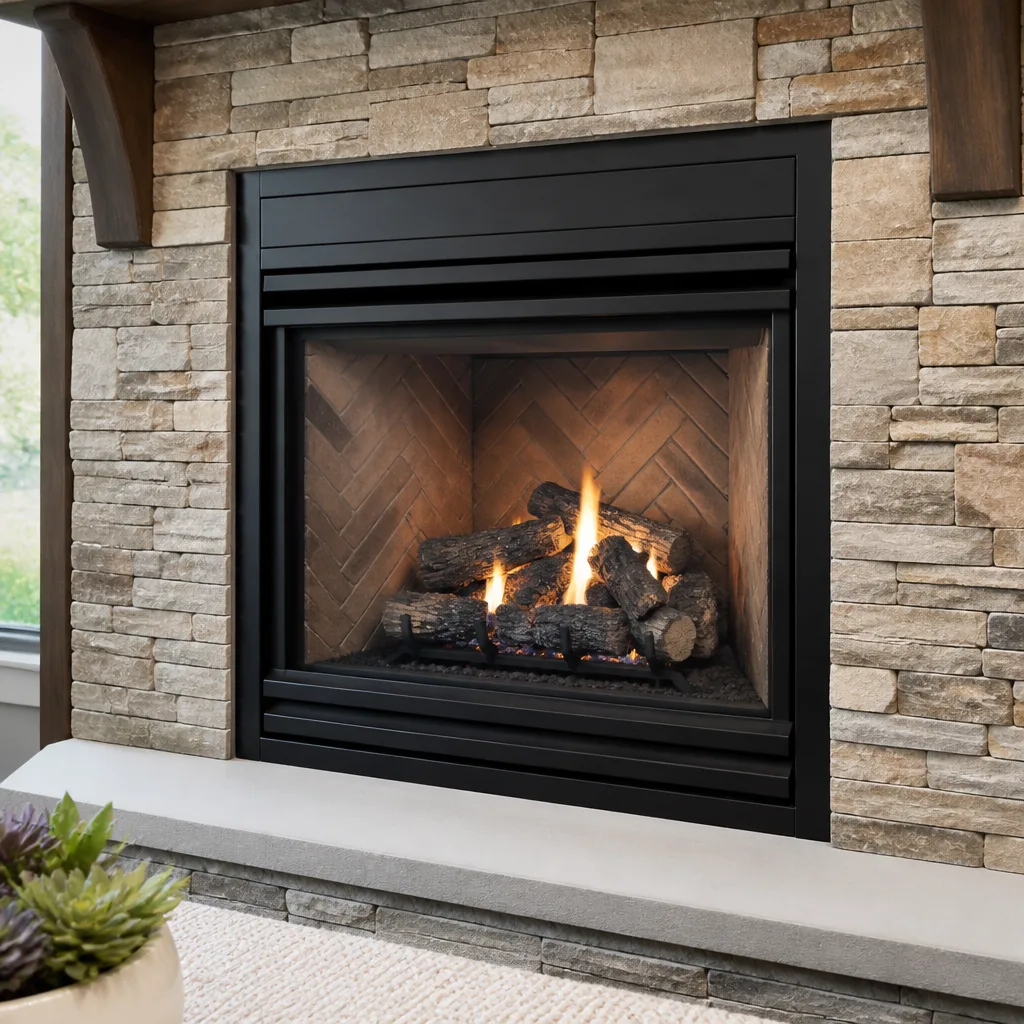 Gas fireplace service
Level 1 sweep and inspection to the NFPA 211 annual standard - flue, crown, cap, and flashing checked and photographed
Chimney sweep logs do not sweep chimneys. They loosen some creosote - which then falls where a brush and vacuum still have to collect it.
Chimney Sweep Maintenance Schedule: What to Do and When
The most repeated advice in this trade is that your chimney needs sweeping once a year. That number gets passed around like gospel, but it’s really a liability floor – a minimum standard written to keep the broadest possible range of homes safe on paper. It was never engineered around a family in Lafayette burning four cords of split pine and juniper through a Colorado winter, or around a household that runs a gas insert a few evenings a week from October through April. Those two chimneys age at completely different rates, yet both get told to “sweep annually.” This guide builds a real maintenance calendar around your fuel type, your burn frequency, and your system’s age, and it explains what to look at and when, so nothing important goes unaddressed between visits.
Quick Answer
Most wood-burning fireplaces in Lafayette need a professional sweep once a year plus an annual Level 1 inspection before the heating season starts in October, and gas or pellet systems follow a different interval based on use. A full maintenance calendar has four checkpoints: a late-summer pre-season walkthrough, a mid-season condition check in January, an end-of-season assessment in April, and a professional inspection tied to your fuel type and burn volume. If you burn heavily or more than a couple of cords a season, add a sweep mid-season rather than waiting a full calendar year.
Styles & brands we work with
- Sweep & inspection
- Caps & crowns
- Flue relining
- Masonry repair
- Gas fireplace service
Table of Contents
- Why “Once a Year” Falls Short as a Maintenance Schedule
- Building a Calendar Around Colorado’s October-to-April Heating Season
- Fuel Type Changes Your Schedule: Wood, Gas, and Pellet
- The Late-Summer Pre-Season Checklist
- Mid-Season Warning Signs That Warrant an Unscheduled Inspection
- Documenting Your Chimney’s Condition Over Time
- What Each Type of Inspection Actually Covers
- Common Mistakes to Avoid
- When to Call a Professional
- Frequently Asked Questions
Why “Once a Year” Falls Short as a Maintenance Schedule
The annual-inspection benchmark from the National Fire Protection Association is a floor, not a ceiling. It exists so that even the lightest-use system gets looked at with some regularity. It doesn’t account for how hard a given chimney works. A crackling fire three nights a week for six months is a different maintenance animal than a decorative gas log set that lights up on holidays.
In our experience across Lafayette, the gap between the advice and the reality shows up in the flue. A wood-burning fireplace that gets real use builds creosote in layers – soft and flaky at first, then shiny and glaze-like when the fire is starved for air or burning green wood. Glazed creosote is harder to remove and a bigger fire risk, and a once-a-year sweep discovered a season too late can mean the difference between a routine cleaning and a restoration job. The firebox, damper, and cap wear on their own timeline too.
Think of the annual sweep as the mandatory minimum and your fuel type, burn volume, and system age as the variables that push the schedule. The house that burns two cords a winter and the house that burns six should not keep the same calendar. A proper schedule is a starting point you adjust, not a box you tick.
- Low use: a few fires a week, one cord or less – annual sweep and inspection.
- Moderate use: fires most winter evenings, two to three cords – sweep at the start of the season, inspect mid-season.
- Heavy use: fire running most of the day, four or more cords – plan for a mid-season sweep as well as the pre-season one.
- Gas and pellet: a different clock entirely, covered below.
Building a Calendar Around Colorado’s October-to-April Heating Season
Lafayette’s burn season has a hard start and stop, and that shape should drive your maintenance schedule rather than the January-to-December calendar most people default to. Fires usually begin in October and run through April. That’s seven months of real load followed by five months of dormancy – and the dormancy is when weather does its quiet damage.
A calendar built for a Lafayette house looks like this:
- August or September: book the pre-season sweep and inspection. This is the last chance to catch a cracked crown or a loose cap before the first fire.
- October: first burn of the season. Watch the draft on a cold start – if it’s sluggish or the fire struggles, something changed over summer.
- January: mid-season condition check. Smell, draft, ash volume, and how the fire behaves tell you whether the flue needs attention sooner than planned.
- April or May: end-of-season assessment. Once the last fire is out, look at the cap, crown, and flashing before summer hail and monsoon rain hit.
- June and July: the dormant window. This is when summer storms stress the cap and crown, and when debris and nesting animals move in.
The reason the season matters: a chimney that sits unused for five months still takes weather on the crown, the cap, and the flashing at the roofline. Summer hail around Lafayette is hard on a cap screen, and monsoon rain finds any crack in the crown. If you only think about the chimney in October, you’ve given water five months to work on the masonry.
Build the calendar backward from your first fire of the season. That single anchor point – usually early October – sets your pre-season sweep deadline and frames every check that follows.
Fuel Type Changes Your Schedule: Wood, Gas, and Pellet
A wood-burning fireplace, a gas insert, and a pellet stove are three different maintenance schedules wearing the same label. Treating them the same is one of the most common mismatches we see. Here’s how the fuel changes the clock.
Wood-Burning Fireplaces
Wood produces creosote, soot, and ash – the three things a sweep removes. The inspection interval tightens with burn volume, and the sweep is required when the flue has about an eighth of an inch of buildup. For most Lafayette homes that means once a year, more if you burn hard. Wood also puts the most stress on the firebox and damper.
Gas Inserts and Gas Log Sets
Gas doesn’t produce creosote, but it isn’t maintenance-free. The byproducts of combustion include water vapor and mild acids that can attack a flue over time, and the logs, burners, and glass need cleaning. A gas system still wants an annual inspection, but the inspection focuses on the venting, the connections, and the burner rather than on creosote removal. If the insert hasn’t been serviced in several years, that’s the year to start.
Pellet Stoves
Pellet stoves run their own schedule. They build up ash quickly – the fire pot, the vent, and the heat exchanger all need regular cleaning – and the vent pipe can clog with ash and fly ash rather than creosote. Many pellet stoves want attention more frequently during the burn season than a wood fireplace does, and the vent needs checking at the end of the season. A pellet stove’s flue is a different animal from a masonry chimney, so the inspection has to be matched to the appliance.
Whatever you burn, the sweeping and inspection work belongs together. Our chimney sweep covers all three fuel types, and we note the appliance type on every visit so the schedule stays correct.
The Late-Summer Pre-Season Checklist
The pre-season walkthrough is where you catch the problems that a long dormant summer created. Do it before the first fire, ideally in late August or September, and do it from the ground and from inside.
- Crown inspection: look at the concrete crown at the top of the chimney from the ground with binoculars. Cracks, spalling, or a crown pulling away from the flue are water problems waiting on the first rain.
- Cap integrity: check that the cap is fastened and its screen is intact. A cap that came loose in a summer storm lets water and animals in.
- Damper function: open and close the damper from inside. It should move freely and seat fully. A damper that sticks or won’t close wastes heat and lets warm air escape.
- Flashing at the roofline: from the ground, look at the metal where the chimney meets the roof. Lifted flashing or missing sealant means a leak path.
- Flue look-see: with a flashlight, look up the flue from the firebox for obvious debris, nests, or heavy soot. Don’t reach in – just look.
- Firebox and hearth: check for cracked brick, loose mortar joints, or gaps around the hearth.
If any of those turn up a problem, get it looked at before October. A crown crack found in September is a fixable repair. Found in January, it’s often a repair plus water damage. Cap and crown work is preventive – a capped, crowned chimney stays waterproof and wildlife-free, which is why we handle it as its own service rather than a sideline to sweeping.
Mid-Season Warning Signs That Warrant an Unscheduled Inspection
Your schedule is a baseline, but the chimney sometimes tells you it needs attention sooner. A few specific signals in mid-season mean book an inspection regardless of what the calendar says:
- A strong creosote odor coming from the fireplace, even when it’s not burning. That smell often tracks with heavy buildup or a flue that isn’t venting cleanly.
- Draft changes: the fire is suddenly harder to start, smokes into the room, or won’t draw like it used to. Something in the flue or the cap has changed.
- Unusual sounds during a burn: popping, rumbling, or a rushing sound well beyond a normal fire. Any roaring that sounds like a chimney fire means stop burning and call.
- Visible soot or staining around the firebox opening or on the wall above the fireplace.
- Ash volume climbing fast or a firebox that fills sooner than usual.
- A crack or shift in the masonry you didn’t notice before.
Creosote-related chimney fires are the reason these signals matter. They can be quiet – a house can have one and the occupants never fully register it – and repeated small fires damage the flue over time. Carbon monoxide is the other reason: a blocked or damaged flue can push combustion gases back into the living space, which is why working detectors on every level belong on the schedule alongside the sweep. Gas appliances in particular need a clear vent to vent safely.
If your detectors aren’t in place or you’re unsure, that check belongs on your pre-season list too. A clean chimney is a safe chimney, and the inspection exists to confirm the flue is doing its job.
Documenting Your Chimney’s Condition Over Time
The single best habit you can build is a written history of your chimney. It changes the whole conversation. When a technician can see that the crown was fine two seasons ago and now has a hairline crack, that’s a documented trend. When you have no history, every recommendation sounds like it could be an upsell.
Keep these details for every visit:
- The date of each sweep and inspection.
- Fuel type and roughly how much you burned that season.
- What the inspection found – photos if the technician provides them.
- What was cleaned, repaired, or replaced, and the materials used.
- The condition of the cap, crown, and flashing at each visit.
Photograph the cap, crown, and firebox yourself once a season. Five minutes with a camera builds a record that a future repair decision can rest on. This is one reason we keep inspection and repair under one roof: an inspection means nothing if the inspector isn’t the one standing behind the repair. When the same specialist team inspects and does the work, the history stays with the people who use it, and there’s no conflict between an inspector with nothing to gain and a repair contractor with everything to gain. Our chimney repair service runs on exactly that evidence – what the inspection actually found, in a photo or report you can see for yourself.
Documentation also answers the question that worries most homeowners: do I really need this work? With a real history, the answer is grounded in evidence rather than guesswork, and a technician can tell you plainly when a repair can safely wait.
What Each Type of Inspection Actually Covers
Inspections come in levels, and the right level depends on what’s happened since the last look. Knowing which one your schedule calls for keeps you from being talked into more – or sold less – than you need.
- Level 1: the standard annual inspection for a system with no changes in use or fuel type. It covers readily accessible parts of the chimney, firebox, and venting connection.
- Level 2: called for after a change – a new appliance, a change in fuel type, a chimney fire, a property sale, or a significant weather event. It goes further into the flue and includes video or camera inspection of the interior.
- Level 3: reserved for a specific suspected problem, when parts of the chimney must be opened up to investigate. This is rare, and only when there’s a reason to go looking.
For most Lafayette homeowners on a normal cycle, the annual visit is a Level 1. If you’ve just switched from wood to gas, bought the house, or had a chimney fire, ask for the Level 2 and the camera view. Seeing the inside of your own flue on video changes how you understand the recommendation.
The interior is where a lot of problems hide – a flue liner with a crack, a joint that’s failing, a mortar joint that’s worn. HeatShield liner resurfacing lets us restore a damaged flue in many cases rather than replace it, which can save a significant amount over full relining. We specify HeatShield for exactly that reason, and we use professional-grade DuraFlex liner systems when a full reline is genuinely the answer. When the camera shows sound liner, we say so and recommend only the cleaning.
Common Mistakes to Avoid
- Treating “once a year” as a guarantee rather than a floor. It’s the minimum. Heavy burners and hard-working fireplaces need more, and a once-a-year sweep can miss glaze or wear between visits.
- Waiting until the first cold snap to book. Fires start in October around Lafayette, and the pre-season window shrinks fast. Book the sweep in late summer, not after the first snow.
- Ignoring the crown and cap because they’re out of sight. These are the two places water gets in. A crack found in September is a repair; found in March, it’s often water damage to the masonry.
- Skipping the mid-season check on a heavy-use fireplace. The January condition check is where draft changes and unusual creosote odors get caught before they become a fire risk.
- Assuming a gas insert needs no maintenance. Gas doesn’t make creosote, but the venting, connections, and burner still want a look, and the combustion byproducts still stress the flue.
- Not keeping a written history. Without a record, you can’t tell whether a recommendation to repair is grounded in a real trend or a one-off inspection.
- Assuming a torch and a stiff brush make a safe DIY chimney sweep. The flue, the crown, and the firebox are a system, and a sweep that misses a liner crack or a crown issue is more dangerous than no sweep at all.
When to Call a Professional
Some things are maintenance you can schedule. Others are reasons to call now. Get a professional involved if you see or smell creosote, if the fire won’t draw, if the damper sticks, if there’s a roaring sound during a burn, if the crown or cap is damaged, or if it’s simply been more than a year since the last inspection. Book a visit if you just moved into a Lafayette home and don’t know the chimney’s history – a Level 2 inspection will tell you what you’re working with. A professional sweep and inspection also handles the interior of the flue safely, where a DIY brush can’t see what it’s doing.
Our team handles the full system from firebox to crown, using professional-grade materials including Gelco and Olympia Chimney components, so you’re not coordinating several contractors. Lafayette Chimney Sweep offers free estimates in Lafayette – call (844) 272-3731. We answer 24/7, with fast dispatch from 7am to 7pm, Sunday through Friday.
Frequently Asked Questions
Once a year is the standard minimum for most wood-burning fireplaces, with the sweep booked in late summer before the October-to-April burn season, and a mid-season sweep added if you burn heavily. Gas inserts and pellet stoves follow different intervals based on use. The right cadence depends on your fuel type and how much you burn, so ask for a schedule matched to your system rather than a flat annual number. Call (844) 272-3731 for an exact quote – estimates are free.
Skipping a season lets creosote accumulate, and heavy or glazed creosote raises your chimney-fire risk, while a blocked or damaged flue can let carbon monoxide into the house. The risk grows quietly – a chimney can be neglected and still look fine from the fireplace. A missed season is also when crown and cap damage goes unnoticed and water reaches the masonry. If it’s been more than a year, book before the first fire. Call (844) 272-3731 – estimates are free.
Yes, but the schedule is lighter. A light-use wood fireplace still needs an annual sweep and inspection, because creosote builds even with modest burning and the flue can develop a crack or the crown can fail between seasons. With a few fires a week, the annual visit covers it. Book it in the pre-season window and let the inspection tell you whether anything changed.
It needs an annual inspection, but a different one. Gas doesn’t create creosote, so there’s no creosote to sweep, but the venting, burner, connections, and glass still need attention, and combustion byproducts stress the flue over time. A gas insert that hasn’t been serviced in several years should get a Level 2 look at the venting. Call (844) 272-3731 to set it up – estimates are free.
A sweep removes creosote, soot, and debris from the flue and firebox; an inspection evaluates the condition of the whole system from firebox to cap. You need both, and they’re best done together. An inspection on a dirty flue can’t see the interior clearly, and a sweep without an inspection misses the crown, cap, and liner condition. We handle inspection and repair with the same team, so the recommendation and the work share one set of eyes. Call (844) 272-3731 – estimates are free.
We don’t recommend it. The flue, firebox, damper, crown, and cap are a connected system, and a homeowner with a brush and a flashlight can’t see a flawed liner or a hairline crown crack – the exact problems that matter most. A sweep that misses those is more dangerous than no sweep. Professional sweeping also handles the interior safely, which is work worth leaving to a trained technician. Call (844) 272-3731 for an exact quote – estimates are free.
The Bottom Line
A single annual sweep is the minimum floor your chimney needs, not a complete maintenance schedule. Build the calendar backward from your first October fire, and shape it around what you burn and how much: wood fireplaces want a pre-season sweep and inspection with a mid-season check for heavy use; gas inserts want annual venting attention; pellet stoves run their own faster clock. Add the late-summer checklist – crown, cap, damper, flashing, firebox – and keep a written history so every repair conversation rests on a real record. That’s a schedule that actually protects your home. When it’s time, our fireplace repair covers the firebox end of the system, and the Lafayette Chimney Sweep team handles everything from the firebox to the crown with the same specialist crew.
Whether you’re due for a sweep or want an inspection before the season starts, call Lafayette Chimney Sweep at (844) 272-3731 for a free estimate. We answer 24/7, with fast dispatch from 7am to 7pm, Sunday through Friday.
Written by the team at Lafayette Chimney Sweep.
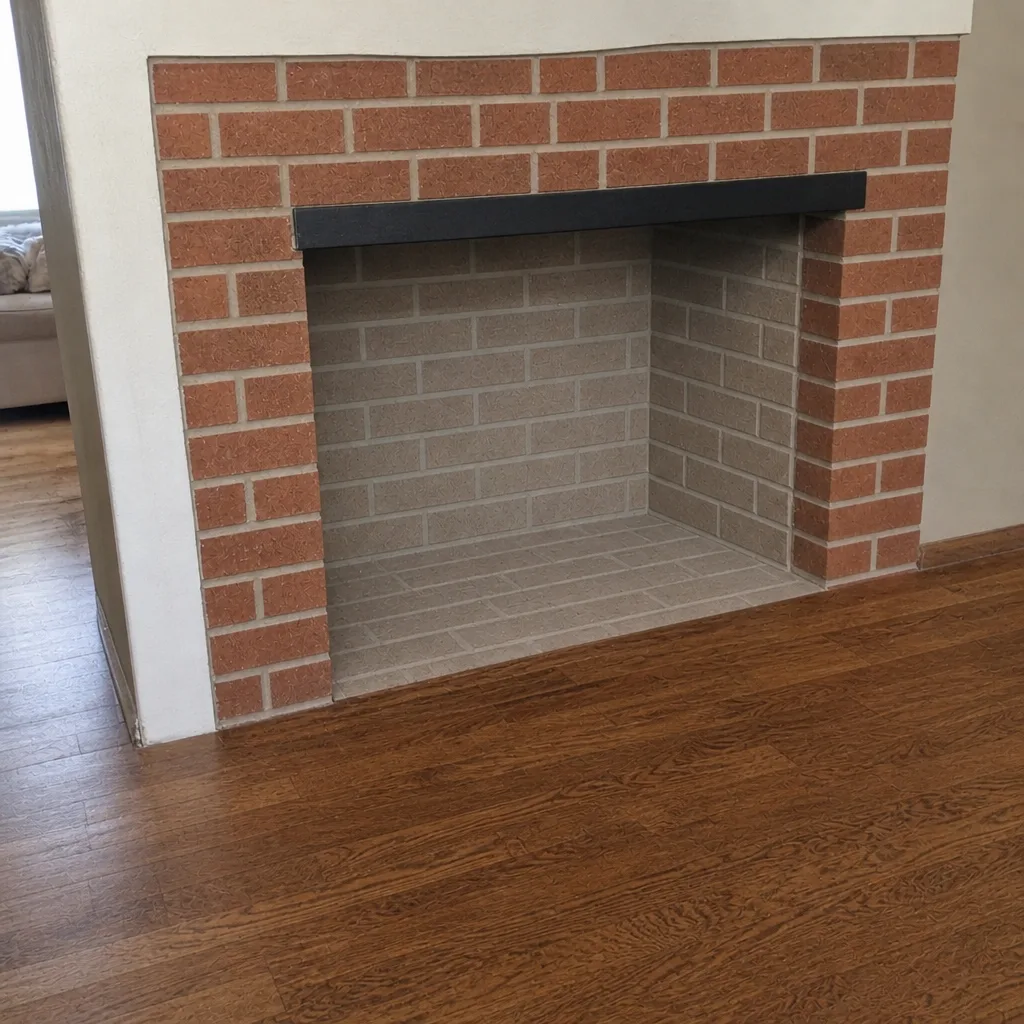
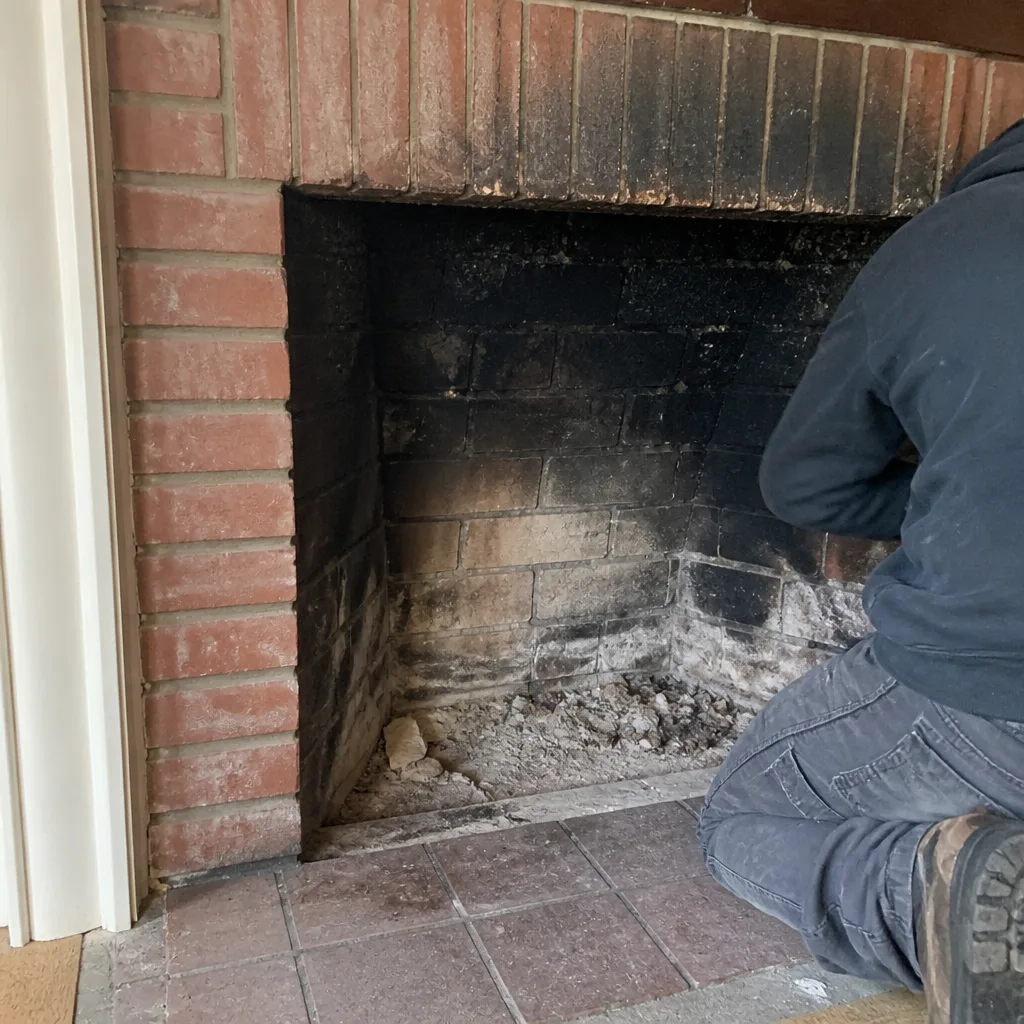
See the difference
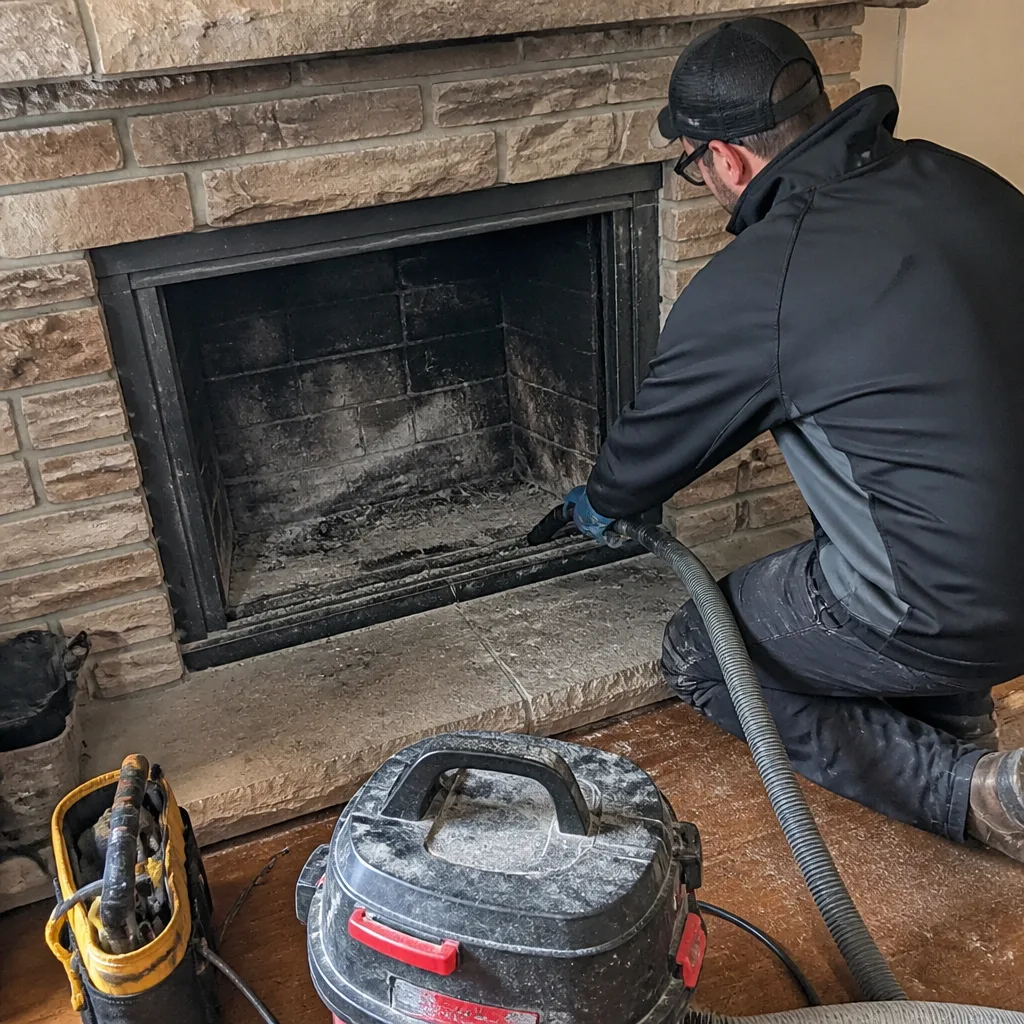 Before
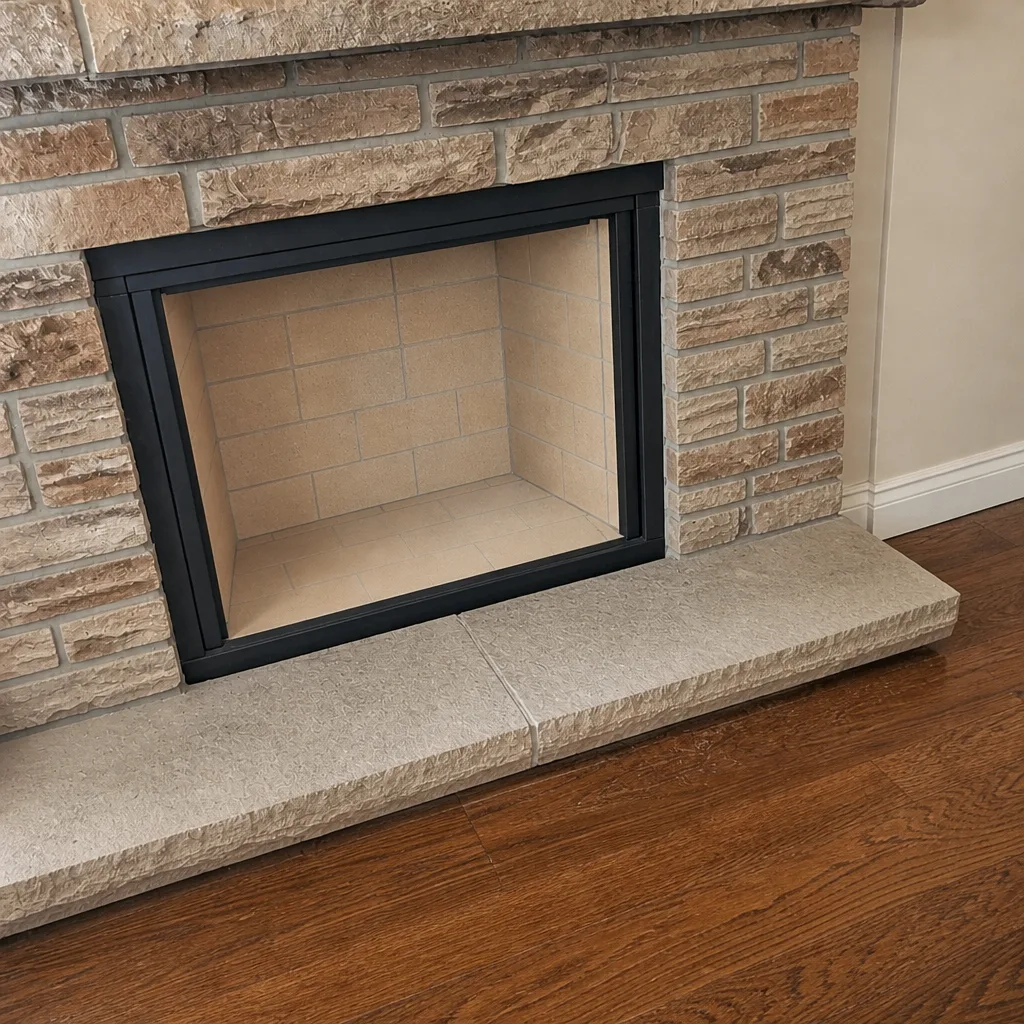 After
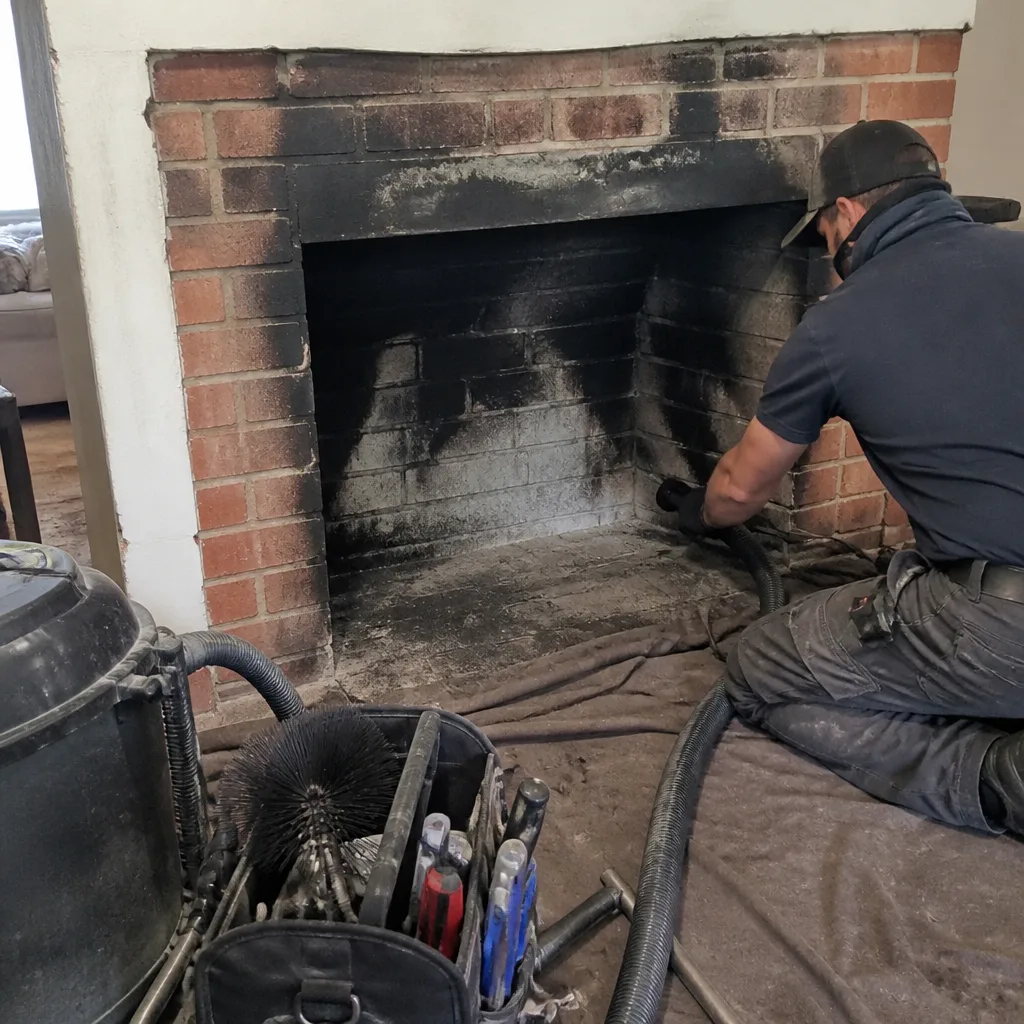 Before
 After
 Before
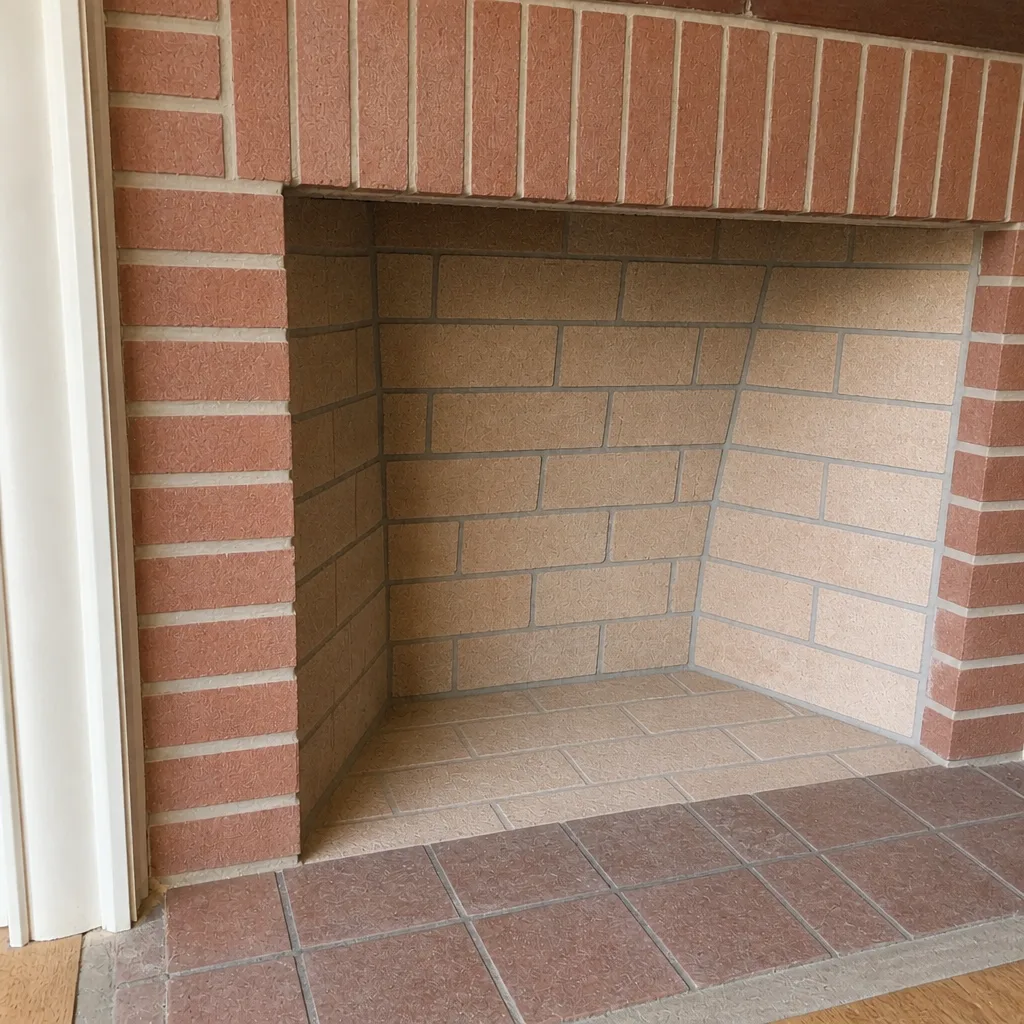 After