
Last updated November 24, 2026
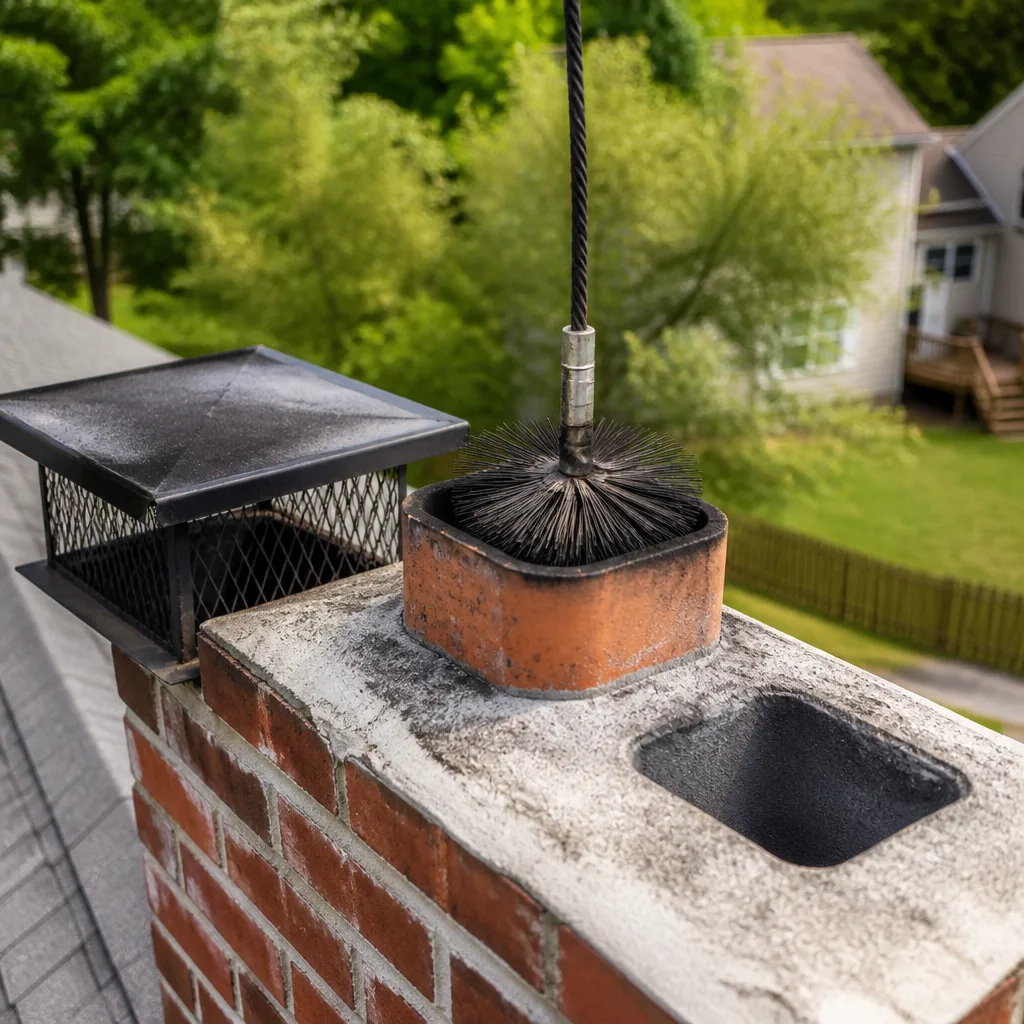 Sweep & inspection
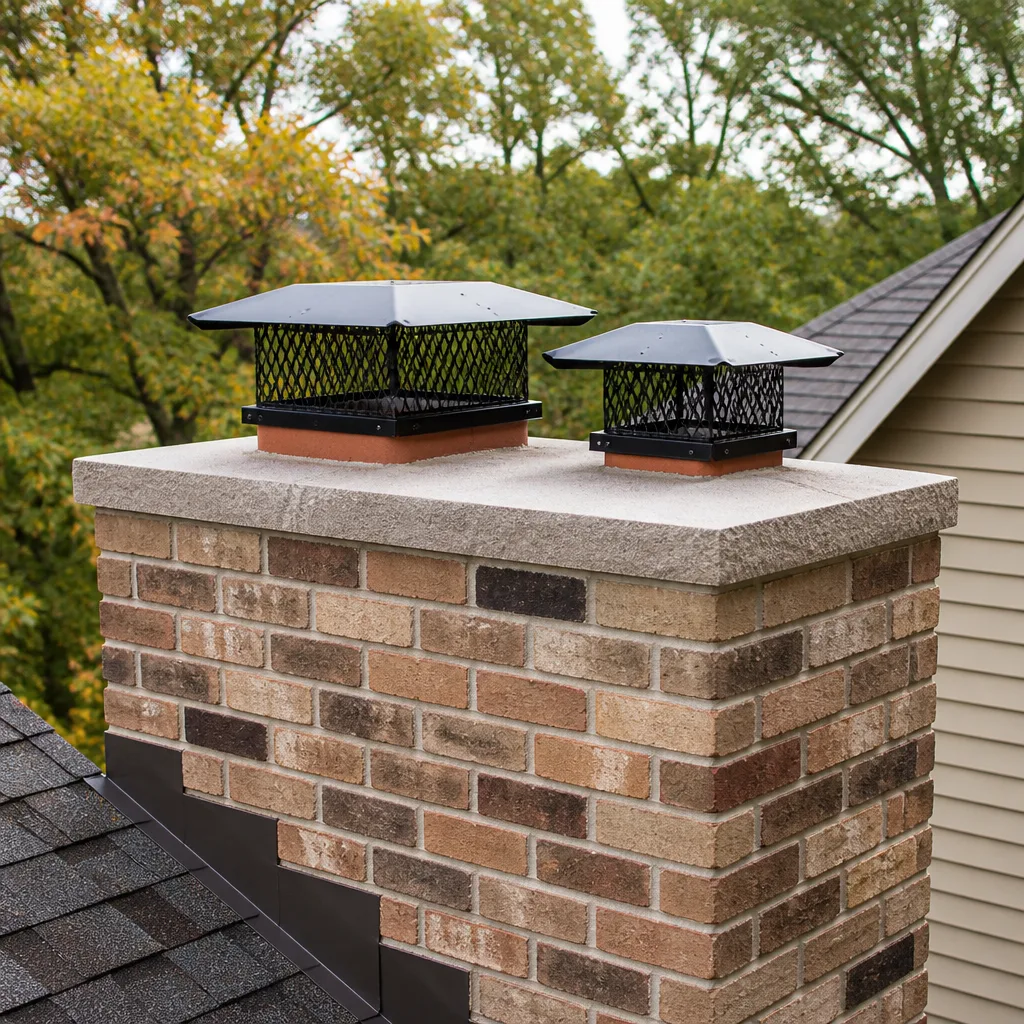 Caps & crowns
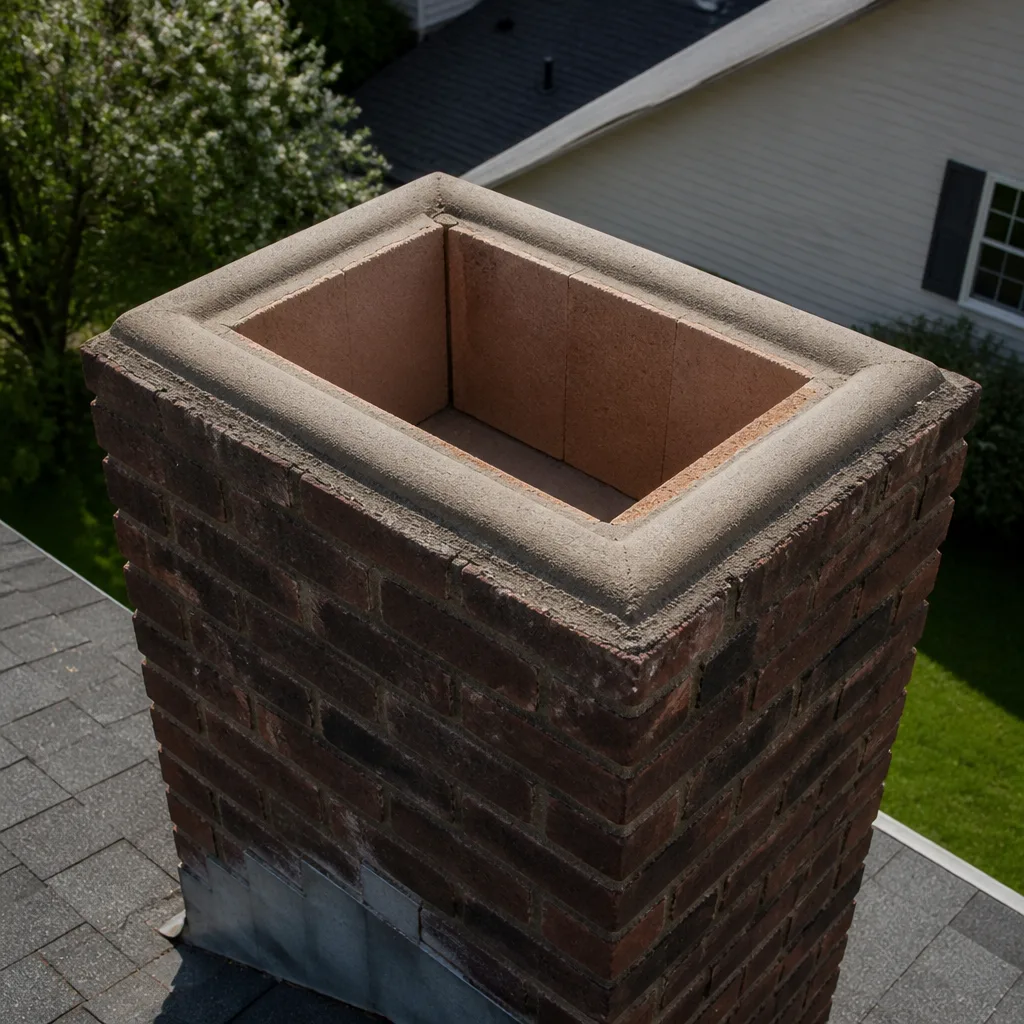 Flue relining
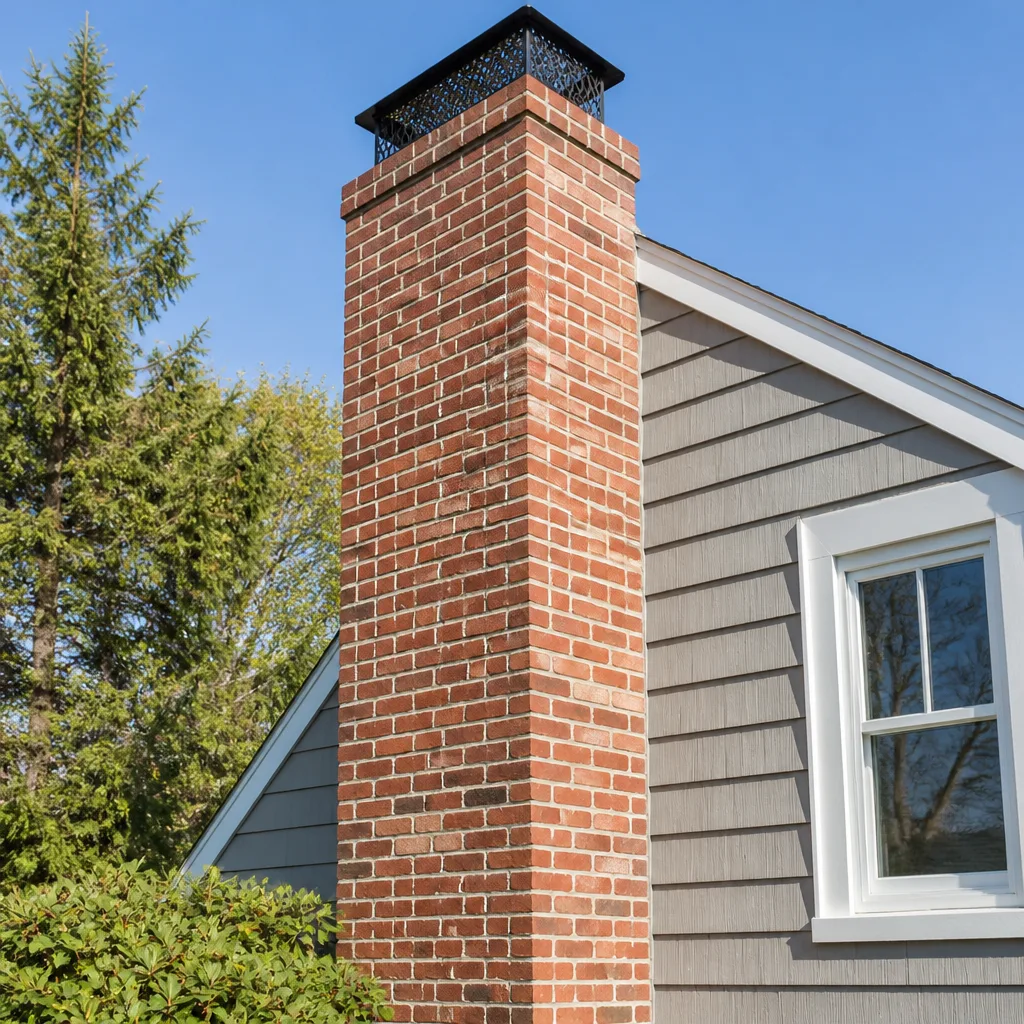 Masonry repair
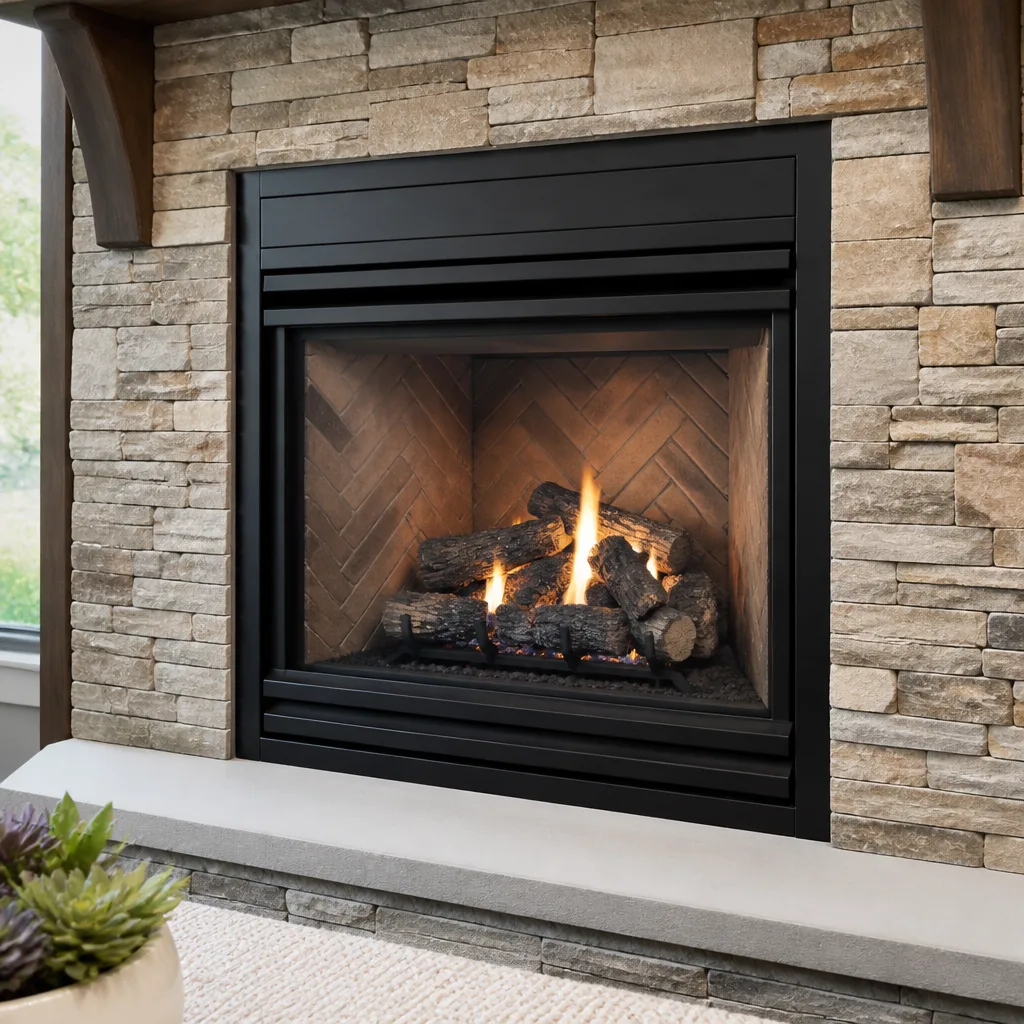 Gas fireplace service
Level 1 sweep and inspection to the NFPA 211 annual standard - flue, crown, cap, and flashing checked and photographed
Chimney sweep logs do not sweep chimneys. They loosen some creosote - which then falls where a brush and vacuum still have to collect it.
Choosing the Right Chimney Cleaning Brand: A Buyer’s Guide for Lafayette
Most homeowners assume chimney work is chimney work, and that the brand printed on a liner, a cap, or a bucket of crown coating is a detail for the contractor to worry about. It isn’t. The products inside your chimney decide whether a repair lasts five years or twenty-five, and whether the manufacturer stands behind it when something goes wrong. A handful of trade-grade brands dominate professional chimney work. Dozens of retail alternatives sit on the shelf at the hardware store, and they are not interchangeable. This guide names the brands professionals specify, explains the specifications that actually matter, and shows you how to hold a contractor accountable in Lafayette.
Quick Answer
The right chimney cleaning and repair “brand” is really two things: a specialist who names the trade-grade products they install, and a product lineup built for real service life. In Lafayette, look for a company that specifies brands like DuraFlex, HeatShield, Gelco, and Olympia Chimney by name, explains why each was chosen, and stands behind installation with the manufacturer’s warranty intact. If a contractor can’t tell you what goes into your flue, that’s your answer.
Styles & brands we work with
- Sweep & inspection
- Caps & crowns
- Flue relining
- Masonry repair
- Gas fireplace service
Table of Contents
- Why the Brand on the Box Matters More Than You Think
- Flexible Liner Systems: DuraFlex and the Offset Flue Problem
- HeatShield Resurfacing: Restore Before You Replace
- Crown Coatings and Sealants for a Freeze-Thaw Climate
- Chimney Caps: Gelco, Olympia Chimney, and Corrosion Resistance
- How to Ask a Contractor Which Brands They Use
- Warranty Implications of Product Choice
- Why Lafayette’s Altitude and Weather Change the Calculation
Why the Brand on the Box Matters More Than You Think
A chimney liner is a stainless steel tube that lives in one of the harshest environments in your home. It sees heat cycling every time you light a fire, condensation from flue gases, and in Lafayette, the moisture swings that come with high-altitude weather. The alloy grade, wall thickness, and flexibility rating of that tube determine how it performs. Retail liners and trade liners often look similar in a photo. They are not similar in service life.
The same is true of crown coatings. The crown is the concrete cap on top of the chimney that sheds water away from the masonry. A coating that stays flexible through freeze-thaw cycles protects the crown. A rigid coating cracks, water gets in, and the freeze-thaw cycle in Lafayette does the rest. The difference between products is measured in elongation percentages, not marketing copy.
Here’s what we tell homeowners: the labor on a chimney repair is often similar regardless of the product. The variable is what goes in. A contractor who can name the brands they use is telling you they’ve made a deliberate supply-chain choice. A contractor who says “high-quality materials” and stops there is telling you something too.
- Named brands signal accountability. A specific product can be looked up, compared, and warrantied.
- Anonymous materials signal uncertainty. If the contractor won’t name it, they may not know it.
- Trade-grade products carry manufacturer installation requirements. Those requirements are the reason a warranty means anything.
This isn’t about brand loyalty for its own sake. It’s about the fact that a chimney is a system, and the components have to be engineered to work together. At Lafayette Chimney Sweep, we specify the same professional-grade materials the industry relies on, and we’re happy to explain each one before we open a box.
Flexible Liner Systems: DuraFlex and the Offset Flue Problem
If your home has a masonry chimney, there’s a good chance the flue isn’t perfectly straight. Older homes in Lafayette and the surrounding foothills often have offset flues, where the channel jogs to one side as it rises. A rigid liner can’t navigate that jog without cutting and joining, which introduces failure points. A flexible liner can. The flexibility rating of the liner is the specification that matters.
DuraFlex is one of the flexible liner systems professional sweeps specify for exactly this reason. It’s engineered to round the bends in an offset flue while maintaining structural integrity and a continuous, corrosion-resistant interior. The alloy grade matters here too. A liner rated for wood appliances needs to handle the higher flue-gas temperatures that wood fires produce. A liner rated for gas has different demands. Getting the grade wrong is how a repair becomes a re-do.
What to ask about liner systems
- What alloy grade and wall thickness is the liner? The answer should be specific, not “stainless.”
- Is the liner rated for the appliance you have? Wood, gas, and oil each need different ratings.
- How does it handle an offset flue? If the answer is “we’ll figure it out,” keep asking.
- Does the installation preserve the manufacturer’s warranty? This is the tell.
Liner replacement is one of the more significant investments in chimney work, and it’s also one of the most common. When we look at a flue, we’re checking whether the existing liner can be cleaned and kept, restored, or fully replaced. The decision should be made on evidence, not on a contractor’s preference for a particular job size. A chimney repair that includes a liner has to be done right the first time, because the second time costs more.
HeatShield Resurfacing: Restore Before You Replace
Not every damaged flue needs a full reline. Sometimes the liner has cracks or gaps in the mortar joints, but the structure is sound. That’s where HeatShield comes in. HeatShield is a proprietary flue-liner resurfacing system that seals and restores the interior of a clay-tile flue without removing the existing tile. It’s applied as a coating that bonds to the flue wall, fills the cracks, and creates a smooth, sealed surface.
The practical result is significant. A full reline means installing a new stainless liner inside the old flue. HeatShield resurfacing often costs less and preserves the original flue structure. It’s not the right answer for every chimney. If the flue is too damaged, or the wrong size, a full liner is the correct call. But a specialist who can apply HeatShield has an option that a sweep without the certification doesn’t.
This is one of the clearest examples of why product capability matters to the homeowner. Two contractors can look at the same flue and give you two different bids, and both can be honest. The one with HeatShield capability has a middle path. The one without it will recommend the only tool they have.
- HeatShield is a resurfacing system, not a patch. It restores the flue’s interior surface.
- It’s often used for clay-tile flues with cracks or joint gaps. Those are common in older homes.
- It can extend the life of a flue without the cost of full relining. That’s the value.
- Not every sweep is equipped or certified to apply it. Ask directly before you book.
We offer HeatShield resurfacing because it lets us give homeowners an honest middle option. When we inspect a chimney, we want to be able to say “this can be restored” instead of “this has to be replaced,” and mean it. Restore before you replace is a principle, not a sales pitch.
Crown Coatings and Sealants for a Freeze-Thaw Climate
The crown is the concrete slab at the top of your chimney. Its job is simple: shed water away from the masonry. In a climate with real freeze-thaw cycles, that job is harder than it looks. Water soaks into a crack in the crown, freezes, expands, and widens the crack. Repeat that cycle through a Colorado winter and a hairline crack becomes a path for water into the chimney structure.
Crown coatings are elastomeric, meaning they stretch and stay flexible. The specification that matters is elongation, or how much the coating can stretch before it tears. A coating rated for a mild climate may not hold up in Lafayette’s swing between warm days and freezing nights. A higher-elongation coating flexes with the concrete instead of cracking off it. That’s the difference between a crown coating that lasts and one that peels within a couple of seasons.
What good crown and sealant work looks like
- Inspect first. A crown with structural damage needs rebuilding, not coating.
- Prep the surface. A coating bonds only to a clean, sound surface.
- Choose an elastomeric product rated for freeze-thaw. Ask for the elongation specification.
- Seal the flashing and joints with a compatible sealant. The crown doesn’t work alone.
- Check the cap and the flashing together. Water intrusion has more than one entry point.
Crown coatings and sealants aren’t glamorous, but they prevent the kind of water damage that leads to masonry repair. And in Lafayette, the altitude adds another factor. UV exposure at elevation is more intense than at sea level, and it breaks down lower-grade coatings faster than the manufacturer’s temperate-climate ratings suggest. A product rated for “typical” conditions may not be rated for the conditions on your roof. That’s a conversation we have with every homeowner before we apply anything.
Chimney Caps: Gelco, Olympia Chimney, and Corrosion Resistance
A chimney cap does two jobs. It keeps water and debris out of the flue, and it keeps sparks off the roof. A cheap cap fails at both. The failure mode is usually corrosion: moisture and flue gases attack the steel, and within a few seasons the cap has rusted through or the mesh has disintegrated. A rusted cap lets water in, which is the exact opposite of what you paid for.
Gelco and Olympia Chimney are two brands professional sweeps specify for caps. They’re built with corrosion-resistant materials and hardware that hold up to weather and flue exhaust. The difference between a trade-grade cap and a retail cap shows up in the gauge of the metal, the coating, and the fasteners. On a roof in Lafayette, those details are the difference between a cap that lasts and a cap you replace twice over the same span.
Caps also come in different styles for different problems. A single-flue cap covers one flue. A multi-flue cap covers the whole chimney top and can be sized to fit. A top-sealing damper is a different product entirely, but it solves a related problem. Getting the right cap is a measurement job, not a guess, and it’s part of our fireplace repair and chimney work because a bad cap is a root cause of the water damage we see inside.
- Stainless construction resists corrosion. That’s the baseline in a wet-dry climate.
- Mesh size matters. It has to keep out animals and debris without blocking draft.
- Proper fit means a measured cap, not a universal one. Fit affects how it performs.
- Hardware should match the cap. Mismatched fasteners are the first thing to fail.
A cap is the cheapest insurance in chimney work. If your cap is missing or damaged, the fix is small compared to the water damage it prevents. A clean chimney is a safe chimney, and a capped, crowned chimney stays that way.
How to Ask a Contractor Which Brands They Use
You don’t need to become a materials expert to hire well. You need to ask a few direct questions and listen to the answers. A contractor who works with trade-grade products will answer without hesitation, because the brands are part of their daily vocabulary. A contractor who orders whatever’s available will give you a vague answer, and that vagueness is the signal.
Here’s how to run the conversation. Start with what they’d use on your chimney, not in general. Then listen for names. A real answer sounds like “we’d use a DuraFlex liner for that offset” or “that crown needs an elastomeric coating, and we’d use a product rated for freeze-thaw.” A vague answer sounds like “we use the best materials” or “whatever the job requires.”
- Ask for brand names and product types. Not categories, names.
- Ask why they chose that product for your chimney. The reason should connect to your flue’s specifics.
- Ask what happens if the product fails. Good answers involve the manufacturer’s warranty.
- Ask who performs the installation. A certified installer matters for the warranty.
- Ask whether they can show you the old materials after removal. Accountability includes evidence.
We mention brands because they’re the clearest way to show our work. It’s also why we recommend a chimney sweep that includes a camera inspection and photo report. You shouldn’t have to take our word for what’s in your flue. You should be able to see it.
Warranty Implications of Product Choice
Here’s a fact most homeowners learn too late: many chimney product warranties require professional installation by a qualified or certified installer. Buy a DuraFlex liner at retail and have a handyman install it, and you may find the warranty is void before the liner ever sees a fire. The manufacturer sold a product with conditions. Those conditions are the reason the warranty means anything.
This affects your decision in two ways. First, DIY product purchases can look cheaper upfront and cost more over time, because you’re carrying the risk the manufacturer would have carried. Second, when you hire a contractor, ask whether the manufacturer’s warranty will be preserved. A professional installation that meets the product’s requirements is part of what you’re paying for.
- Warranty coverage often depends on installation method. Read the conditions before you buy.
- A named brand with a preserved warranty is worth more than an anonymous product without one.
- Ask for the product documentation. You should know what went into your chimney and who backs it.
One more implication: when the installer is also the inspector, the accountability is unified. If the same team inspects, specifies, and installs, there’s no finger-pointing between an inspector who said one thing and a contractor who did another. An inspection means nothing if the inspector isn’t the one standing behind the repair. That’s the model we work from, and it’s why we handle the full chimney system from the firebox to the crown.
Why Lafayette’s Altitude and Weather Change the Calculation
Product specifications are usually written for “typical” conditions. Lafayette isn’t typical. The city sits at roughly 5,200 feet, and that elevation changes how materials age. UV exposure at altitude is more intense. The freeze-thaw cycle is more aggressive. The dry air and the wet spells alternate in a way that stresses coatings, sealants, and metal.< /p>
Put those factors together and the performance margins shrink. A crown coating rated for a temperate climate may have a shorter service life here than its spec sheet suggests. A cap with marginal corrosion resistance may fail faster. A liner with a lower alloy grade may show the effects of condensation and flue-gas attack sooner. The materials that hold up in Lafayette are the ones with margin built in, and that’s usually the trade-grade product, not the retail one.
This is also why preventive work matters more here than in milder climates. A crown that sheds water properly and a cap that keeps the flue dry are doing more work in Lafayette than they would in a place with gentler weather. The same is true of the annual sweep: creosote buildup is a fire risk anywhere, but a chimney that’s also fighting moisture has less room for error.
The practical takeaway for homeowners is simple. When you’re choosing products for your chimney in Lafayette, don’t just ask whether a product is “good.” Ask whether it’s rated for this climate. Ask for the specifications and compare them to the conditions on your roof. And ask whether the contractor has seen products fail here and knows which ones hold up. Our technicians have up to 10 years of experience, and that experience is mostly a record of what we’ve seen last and what we’ve seen fail. We’d rather share it than have you learn the hard way.
Common Mistakes to Avoid
- Accepting “high-quality materials” as an answer. It’s a phrase, not a specification. Ask for brand names and grades before you sign anything.
- Buying a retail liner and hiring a handyman to install it. The product may be fine, but the warranty is likely void, and the installation is where the risk lives.
- Skipping the camera inspection. A quote without evidence is a guess. In Lafayette’s older homes, flue conditions vary widely from house to house.
- Choosing a cap by price alone. A cheap cap that rusts through in a few seasons costs more than a corrosion-resistant one over the same span.
- Letting the inspector and the installer be strangers. Split accountability is how disputes start and repairs get delayed.
- Ignoring the crown because the flue is clean. A clean flue with a cracked crown is a chimney waiting for water damage. Clean and dry are two separate jobs.
- Assuming altitude doesn’t matter. UV and freeze-thaw are harder on materials at 5,200 feet. A product rated for “typical” conditions may not be rated for yours.
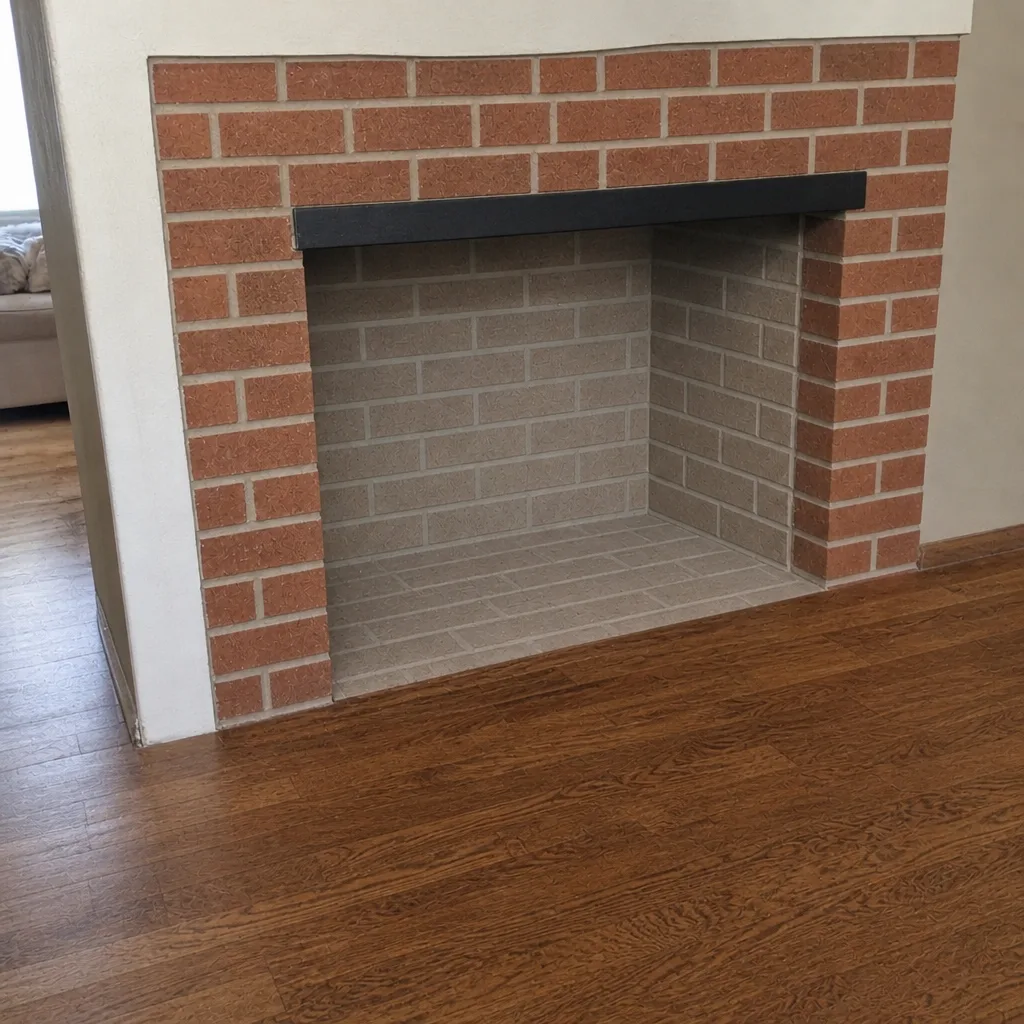
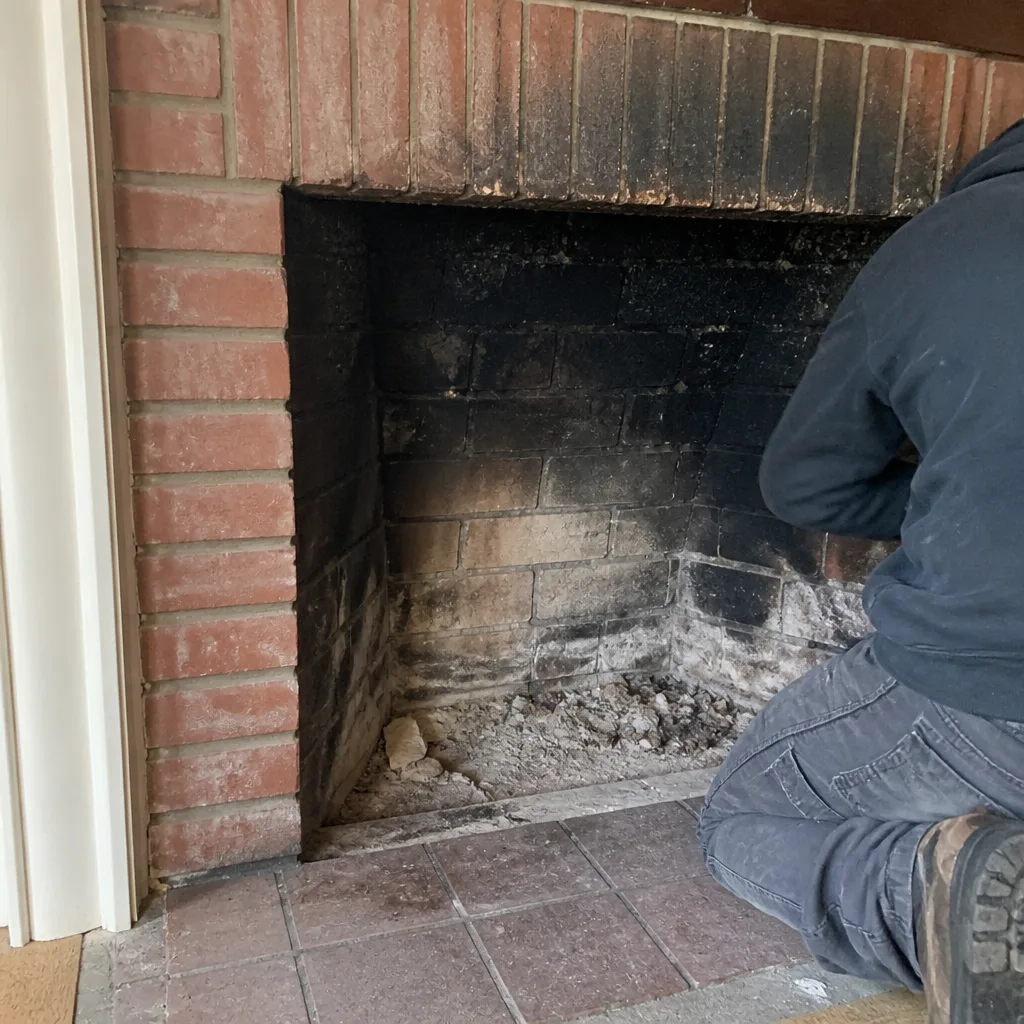
See the difference
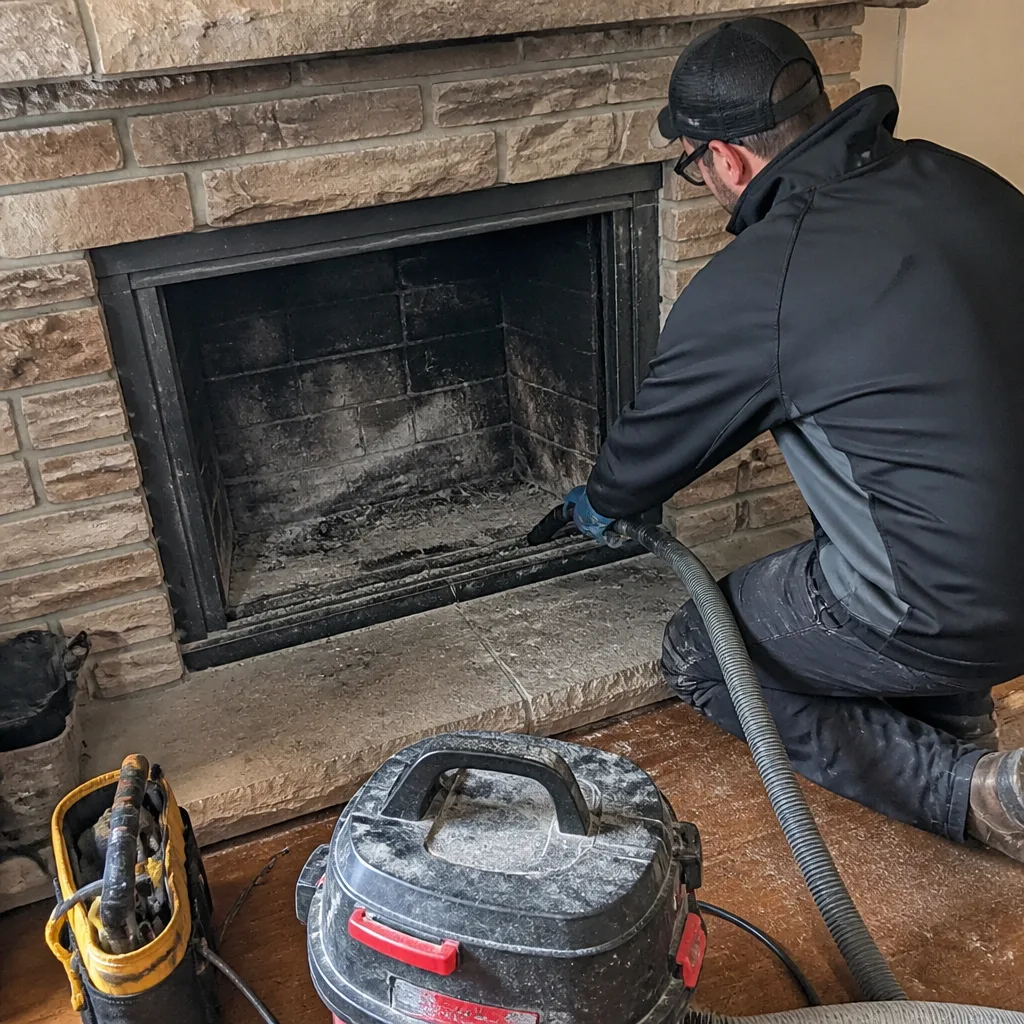 Before
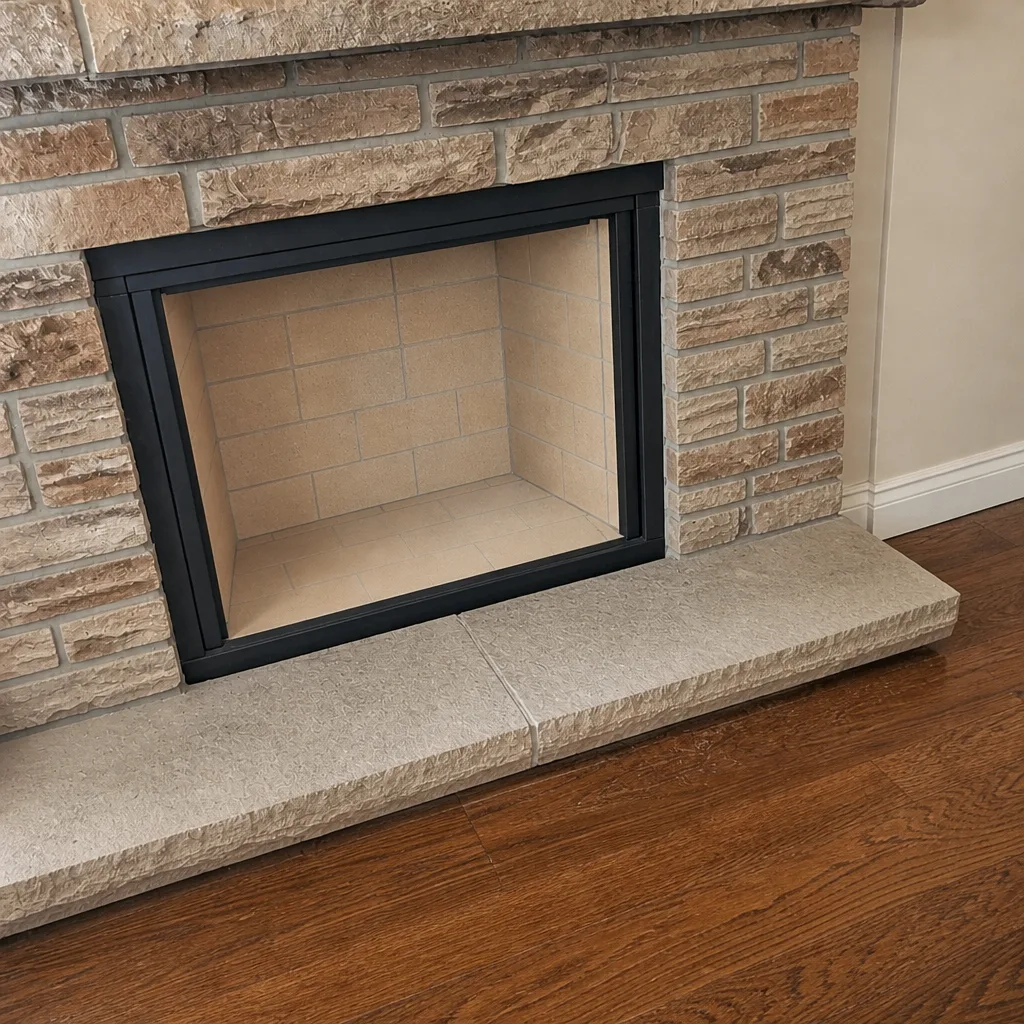 After
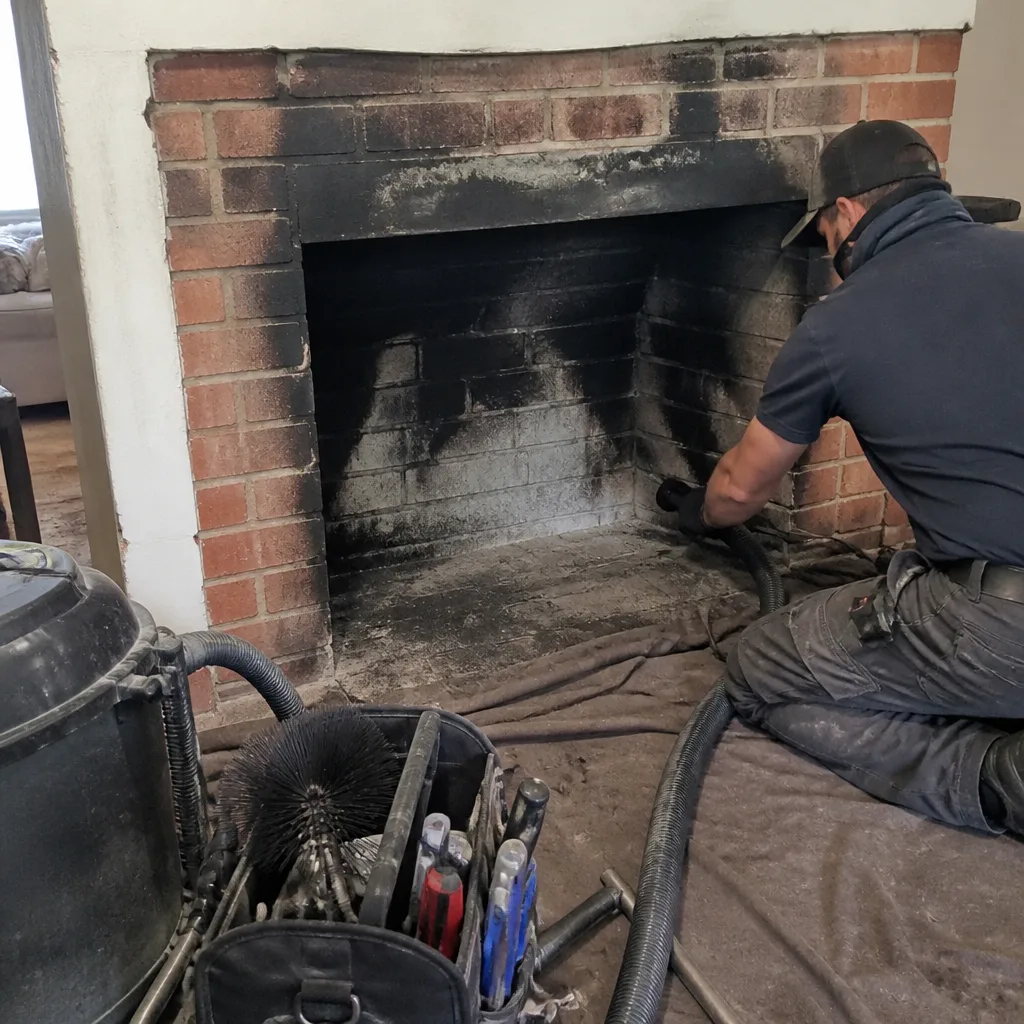 Before
 After
 Before
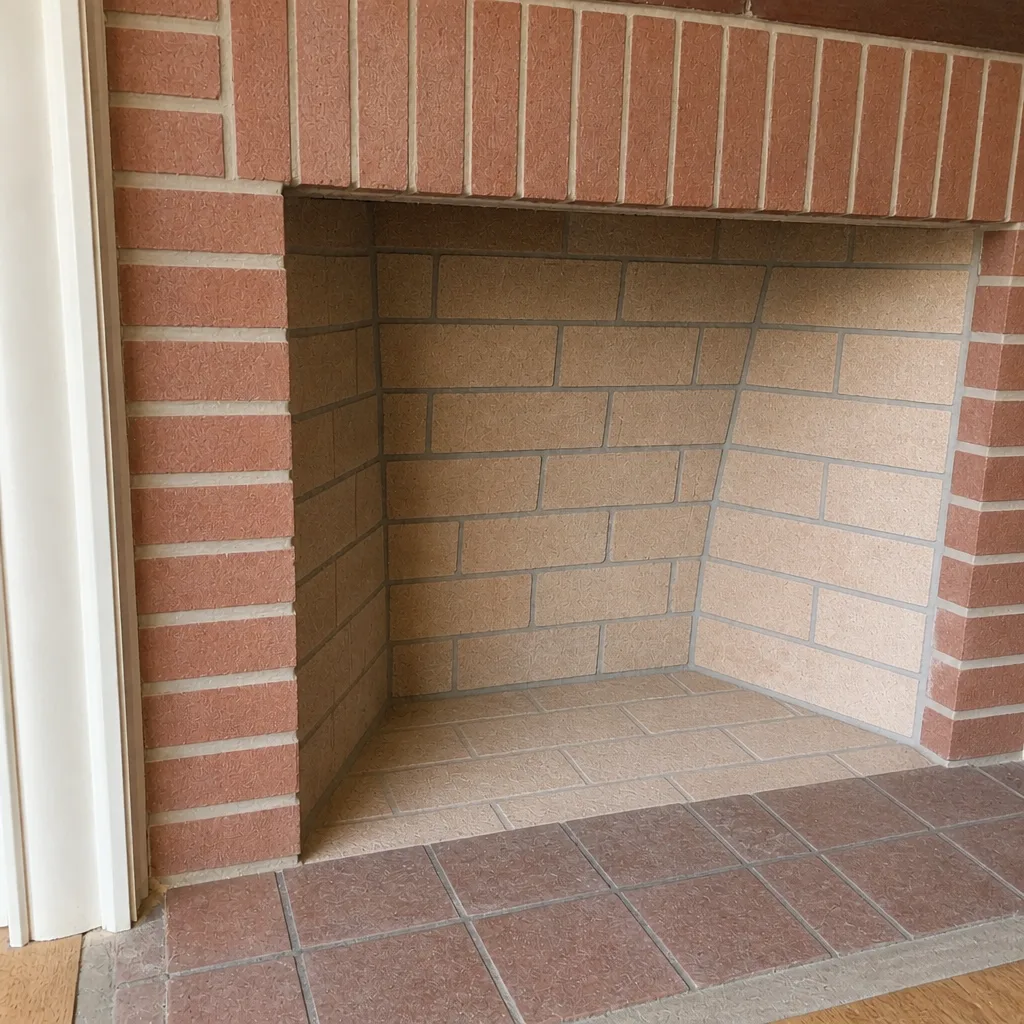 After
When to Call a Professional
Some chimney work is a cleaning. Some of it is a safety decision, and the line between them isn’t always obvious from the ground. Call a professional if you’re seeing creosote buildup that’s more than a light dusting, if smoke backs into the room when you light a fire, if you notice water stains or efflorescence on the masonry, or if your cap is missing, damaged, or loose. Call if your liner is cracked, if the flue has gaps at the joints, or if you can’t remember the last time the chimney was inspected. Call if you’re buying a home in Lafayette and want to know what you’re inheriting.
Lafayette Chimney Sweep offers free estimates in Lafayette. Call (844) 272-3731. We answer 24/7. Fast dispatch from 7am to 7pm, Sunday through Friday.
Frequently Asked Questions
Professionals typically specify trade-grade brands by category: DuraFlex for flexible liner systems, HeatShield for flue resurfacing, Gelco and Olympia Chimney for caps, and professional-grade coatings and sealants for crowns and flashing. The brand should match the job, so ask for names and the reason behind each choice.
Usually not, and the difference is in the specifications. Trade-grade liners are built with specific alloy grades, wall thicknesses, and flexibility ratings for the demands of real flue conditions. A retail liner may meet a lower standard and may not carry a warranty that survives a non-professional installation.
HeatShield is a proprietary flue-liner resurfacing system that seals and restores the interior of a clay-tile flue without removing the tile. You may need it if your liner has cracks or joint gaps but the structure is sound. It’s often a middle path between cleaning and full relining, and not every sweep is equipped to apply it.
You need a new liner when the existing one can’t safely contain the flue gases. That’s a determination made on evidence, not on a contractor’s preference. Ask for the camera footage of your flue and a written explanation of what it shows. If the liner can be restored with HeatShield, a specialist who offers that option will tell you. If the contractor can’t show you the problem, don’t accept the solution.
The general rule is once a year for a wood-burning fireplace in regular use, and more often if you burn a lot of wood or notice buildup. Lafayette’s climate makes the annual inspection valuable for a second reason: it’s the moment to check the crown, cap, and flashing before another freeze-thaw season does damage.
Creosote accumulates, and creosote is the fuel for a chimney fire. A blocked or restricted flue can also push carbon monoxide back into the home. Neither outcome is common, but both are serious, and both are preventable with an annual sweep and inspection.
The Bottom Line
The brand names on the products inside your chimney tell you a great deal about the contractor who chose them. A specialist who specifies DuraFlex, HeatShield, Gelco, and Olympia Chimney is telling you they know the difference between a repair and a temporary fix. A specialist who can explain the alloy grade, the flexibility rating, or the elongation percentage is telling you they’ve thought about Lafayette’s climate and not just the invoice. Ask for names. Ask for reasons. Ask for the evidence behind the recommendation. Then hire the contractor who answers. Call (844) 272-3731 for a free estimate. We answer 24/7. Fast dispatch from 7am to 7pm, Sunday through Friday.
Written by the team at Lafayette Chimney Sweep.