
Last updated November 24, 2026
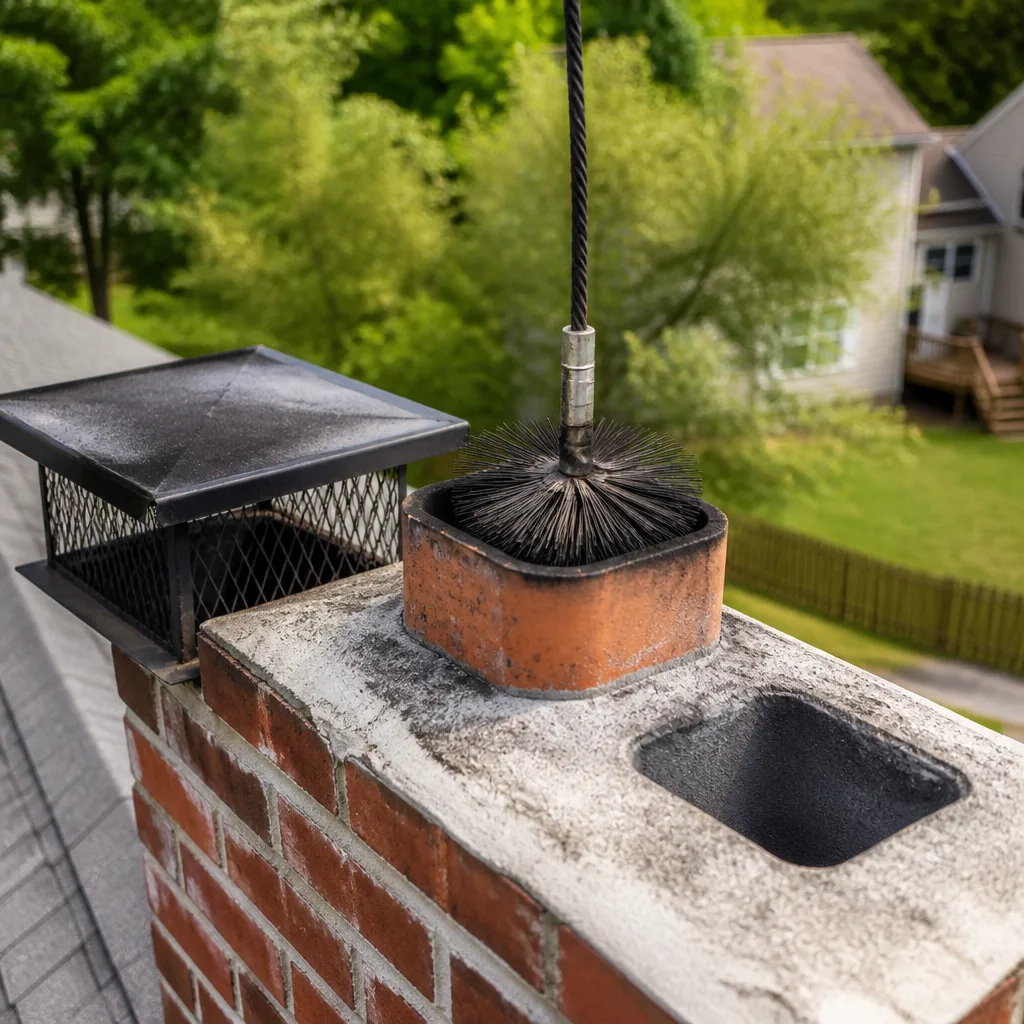 Sweep & inspection
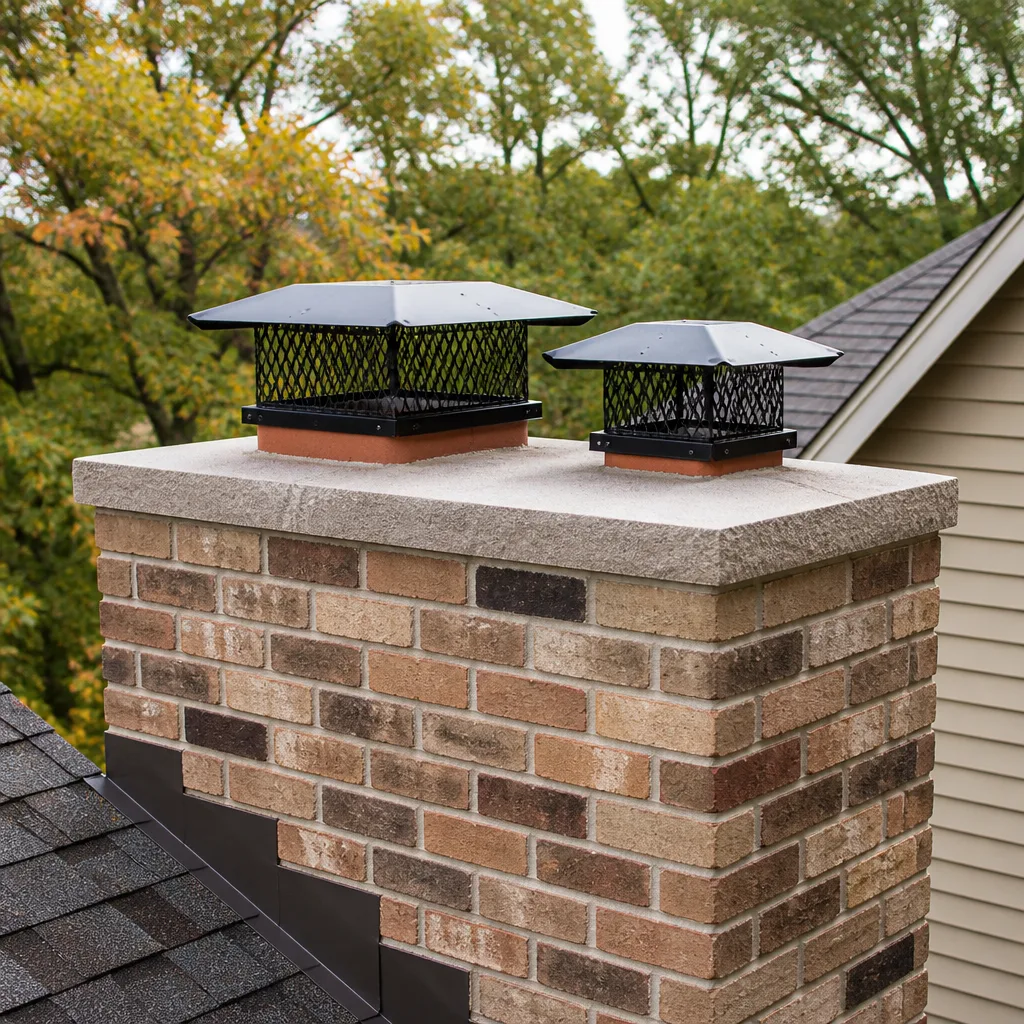 Caps & crowns
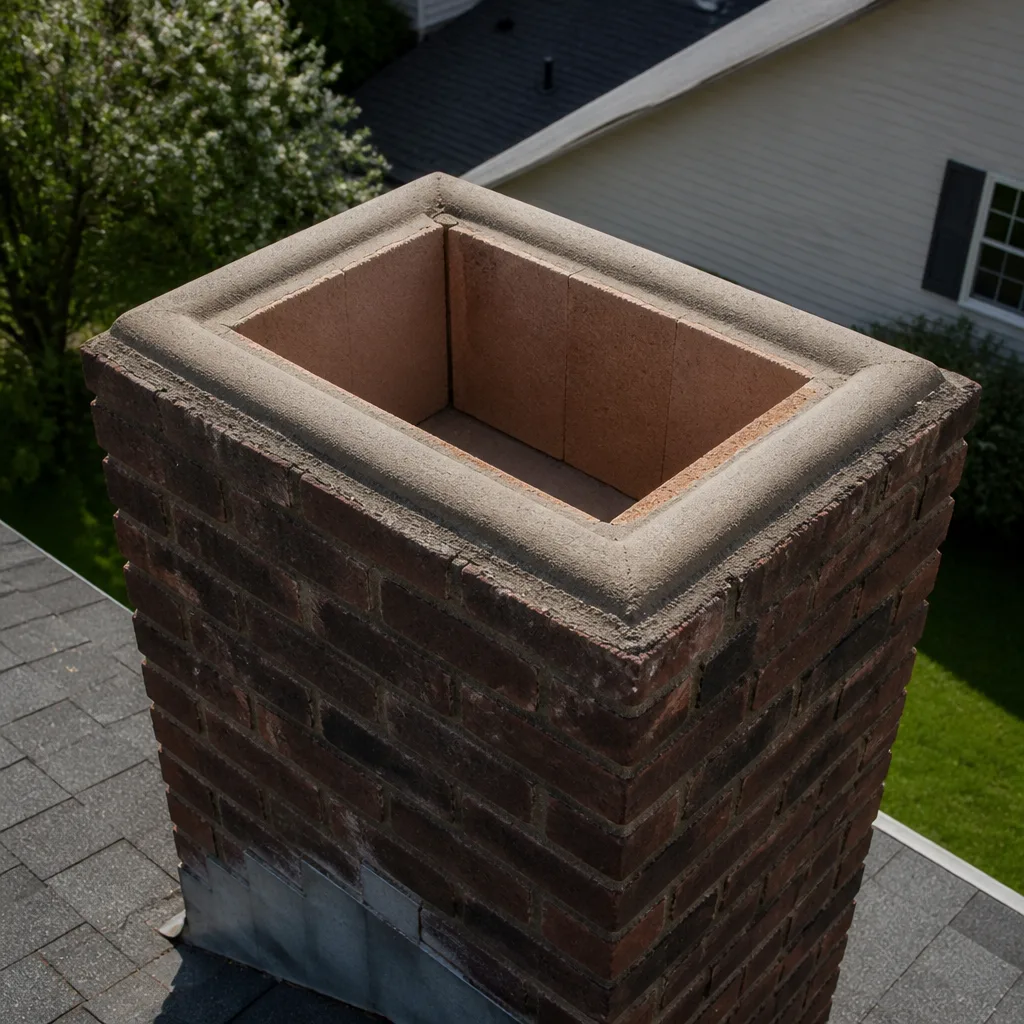 Flue relining
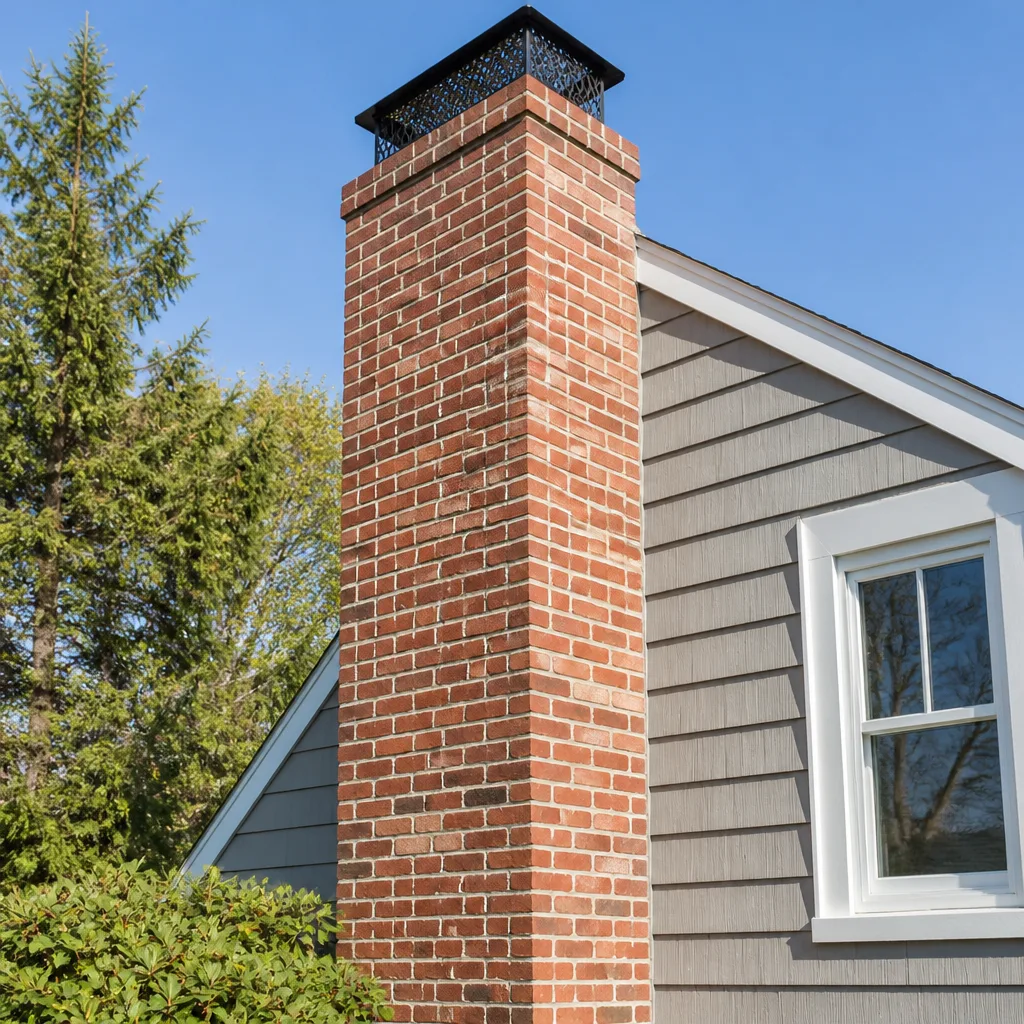 Masonry repair
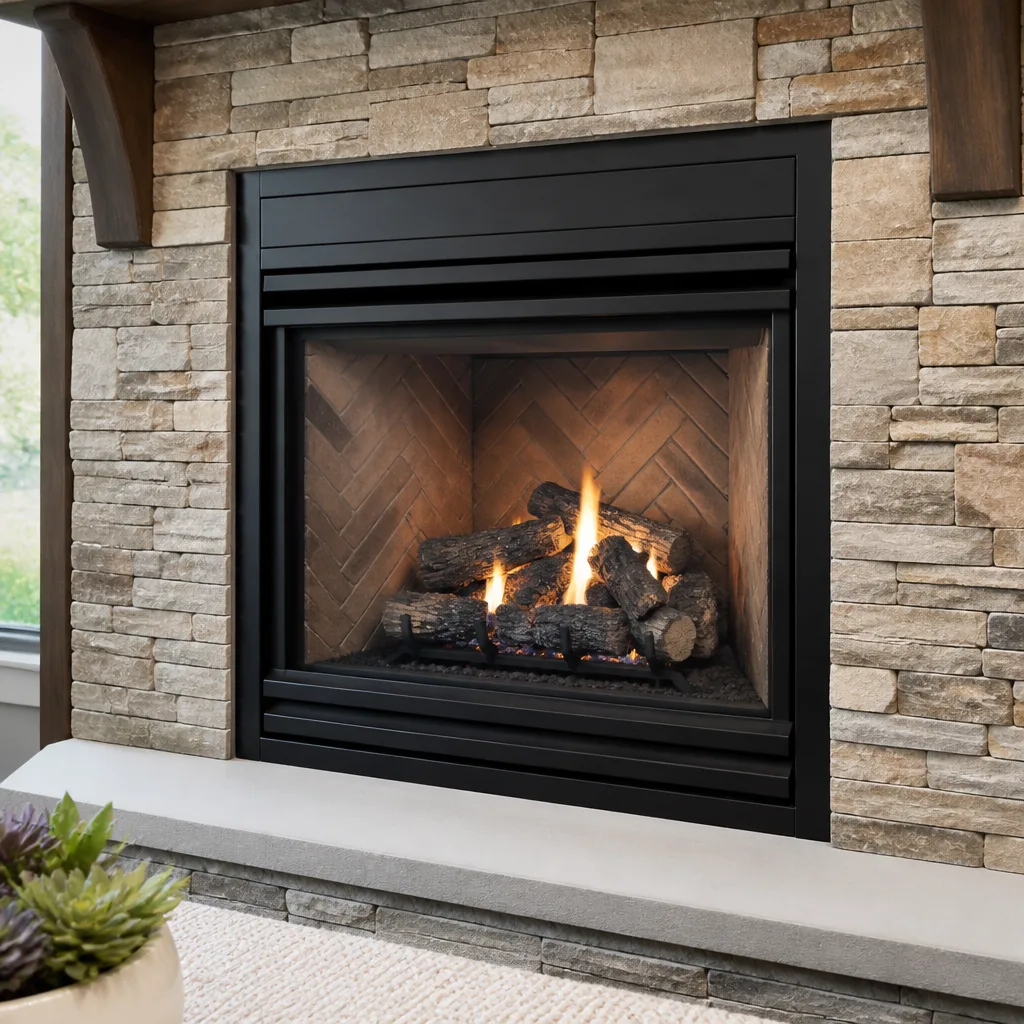 Gas fireplace service
Level 1 sweep and inspection to the NFPA 211 annual standard - flue, crown, cap, and flashing checked and photographed
Chimney sweep logs do not sweep chimneys. They loosen some creosote - which then falls where a brush and vacuum still have to collect it.
How to Hire a Chimney Cleaning Contractor in Lafayette: A Step-by-Step Guide
Most homeowners vet a chimney contractor by asking one question: “Are you certified?” That’s a good start, but it doesn’t tell you what you actually need to know. The question that reveals far more is simpler: “What’s the last thing you replaced in a system like mine?” Someone who has only ever run a brush up a flue will hesitate or give a vague answer. Someone who has actually worked on chimneys will name a component, a brand, and a reason. That single response separates a specialist from a generalist faster than any card on a wall. In this guide, we’ll walk you through the vetting process we’d want a Lafayette homeowner to use on us – the questions to ask, the answers that should reassure you, and the red flags that should send you looking elsewhere.
Styles & brands we work with
- Sweep & inspection
- Caps & crowns
- Flue relining
- Masonry repair
- Gas fireplace service
Quick Answer
To hire a chimney cleaning contractor in Lafayette, verify that the company specializes in chimney and fireplace work rather than offering it as an add-on, confirm they carry insurance and can explain what “full system” service includes in writing, and ask how they handle repairs they discover during the inspection. A legitimate estimate should be free, written, itemized by component, and clear about which findings are urgent versus which can wait. If any of those pieces are missing, keep calling.
Table of Contents
- Specialist vs. Generalist: What the Difference Actually Means
- Eight Questions That Reveal a Contractor’s Competence
- What a Legitimate Written Estimate Should Include
- What “Full System” Service Means – and What It Doesn’t
- How to Verify Insurance and Understand Liability
- Why Lafayette Chimneys Face Specific Demands
- The Step-by-Step Hiring Process
- Common Mistakes to Avoid
- When to Call a Professional
- Frequently Asked Questions
- The Bottom Line
Specialist vs. Generalist: What the Difference Actually Means
A chimney sweep specialist does one category of work all year: sweeping, inspecting, and repairing chimney and fireplace systems. A generalist – a handyman service or an HVAC company – adds chimney cleaning as a line item, often during a slow season, and typically stops at the flue. The distinction matters because of what happens after the brush goes back in the truck.
When a specialist sweeps, they’re already watching for the things a sweep-only operator misses: a spalling crown, a hairline crack in the flue tile, a cap that’s pulled loose, creosote glazing that suggests the fire isn’t drafting properly. A generalist who only cleans won’t recognize those signals, or won’t have the equipment to address them. Worse, some generalists will note a problem but can’t fix it, so you end up calling a second contractor anyway – and the two never quite agree on what’s wrong.
In Lafayette, the difference shows up in a specific way. Homes that burn frequently through the colder months often present a mix of issues at once: a partially blocked cap, some glaze in the upper flue, a damper that has seized. A specialist sweeps and addresses those in the same visit. A generalist sweeps and hands you a list of things to follow up on. Both cost the same for the sweep. Only one actually resolves the system.
-
Signs you’re talking to a specialist:
- They can describe every component of your system by name: firebox, damper, smoke chamber, flue, crown, cap.
- They mention specific industry brands they work with – DuraFlex, HeatShield, Copperfield, Olympia Chimney, Famco, or Gelco – with reasons why, not as name-dropping.
- They offer inspection and repair under the same team, so the person diagnosing is the person accountable for the fix.
- They ask you about your burning habits, wood type, and appliance before they talk about pricing.
If the answer to “What do you do when you find a damaged liner?” is some version of “We’ll give you a referral,” you’re not talking to a specialist. You’re talking to a sweep who outsourced the important part.
Eight Questions That Reveal a Contractor’s Competence
We’ve found that a short, specific interview tells you nearly everything. Ask these eight questions in the course of one phone call. You’re listening not for perfect answers but for the way the answers map to what you know about your own chimney.
- “What’s the last thing you replaced in a system like mine?” A real specialist names a component and a brand – a duraFlex liner, a heat shield application, a crown, a cap assembly. A vague answer that circles back to “cleaning” is a sign they don’t do repair work.
- “How do you decide whether a damaged liner needs resurfacing or replacement?” Look for nuance. A good answer mentions that liner condition, damage pattern, and extent all factor in, and that resurfacing systems like HeatShield can often restore a liner that would otherwise need full replacement. A contractor who says “always replace” is either unfamiliar with resurfacing or quoting the most expensive fix by default.
- “Who performs the inspection, and who does the repair?” If the answer is two different people or two different companies, you’ve found a conflict of interest. You want one team accountable for both halves.
- “What does ‘full system’ mean in your scope?” The right answer covers firebox to cap: chimney, firebox, damper, smoke chamber, flue, crown, cap. Anything narrower is partial service labeled as full.
- “Are you insured, and can you send proof before work begins?” Yes and yes. Not “we’re covered” – proof, in writing, before anyone climbs on your roof.
- “What brands do you work with?” Listen for specifics. DuraFlex, HeatShield, Copperfield, Olympia Chimney, Famco, and Gelco are the names that show up in professional-grade chimney work. If the answer is “we use whatever’s in stock,” ask what that means for your repair.
- “How do you handle a problem you find but can’t fix that day?” A specialist schedules the follow-up themselves. A generalist hands you a card.
- “What will I see when the sweep is done?” You should expect a camera inspection and a photo report of the flue, not just a verbal summary. Ask specifically whether photos are included.
Answers that signal competence tend to be specific, unhesitating, and willing to say “it depends.” Answers that signal red flags tend to be broad, price-forward, and eager to close the call before you’ve asked everything.
What a Legitimate Written Estimate Should Include
A written estimate is your single most important protection. It should arrive before any work begins, and it should be free. If a contractor wants to charge you for the estimate, or wants to talk pricing only after the sweep is underway, that’s the moment to slow down.
Here’s what a proper estimate covers, itemized:
- The sweep itself, described by scope (which flue, which appliance, how many stories of access).
- The inspection, with a note on whether a camera inspection and photo report are included – and they should be.
- Each repair identified, priced separately, with the brand or method named. “Liner resurfacing (HeatShield)” reads very differently than “liner work.”
- Each repair’s urgency, clearly stated: what needs to be done before the next burn season, and what can safely wait. This single line tells you whether the contractor is selling or advising.
- Supplies and materials, with the brand specified where it matters.
- Cleanup and debris removal, so you know the price includes leaving your home as they found it.
- What’s not covered, stated explicitly. The gaps in a quote are where surprises live.
A quote that looks cheap on paper is often cheap because it’s narrow: it covers the sweep, says nothing about the inspection report, and leaves the crown, cap, and any flue condition out of scope. Those things don’t disappear just because they aren’t priced. They show up later as a second job. Compare estimates on what’s included, not on the bottom line.
Our own approach is to include a camera inspection with a photo report as part of the sweep, and to write the estimate per job after we’ve seen what’s actually in the flue. You get a written estimate that sets the final price – and nothing gets recommended that we can’t show you in the photos.
What “Full System” Service Means – and What It Doesn’t
“Full system” is one of the most loosely used phrases in this trade. Used precisely, it means the contractor’s scope runs from the firebox all the way to the chimney crown and cap. Used loosely, it means the flue and nothing else. That’s a big difference for a Lafayette homeowner whose repair needs often sit above or below the flue.
Here’s the full list of components a complete system scope should cover:
- Firebox – the interior chamber where the fire burns, including the walls and floor.
- Damper – the metal flap that controls airflow, and one of the most common failure points in older fireplaces.
- Smoke chamber – the sloped section above the damper that funnels smoke into the flue.
- Flue – the vertical channel itself, including the liner if one is installed.
- Crown – the concrete or mortar cap at the top of the chimney that sheds water.
- Cap – the metal or mesh cover that keeps rain, animals, and debris out of the flue opening.
If a quote scopes only the flue, ask what happens when the inspection turns up a cracked crown or a missing cap. A full-system contractor already has that covered in the scope – and can fix it with a crown or cap install as part of the same visit.
This matters because chimney problems are often interconnected. A failed crown lets water in. Water degrades mortar and the flue liner. A degraded liner is a fire risk. Treating only the flue without restoring the crown and cap is treating the symptom, not the cause. chimney repair that doesn’t address water intrusion at the top of the system is repair you’ll pay for again.
How to Verify Insurance and Understand Liability
Ask for proof of insurance before anyone sets foot on your roof. Not a verbal reassurance, and not a texted photo of a certificate that expired last year – actually request that the certificate be sent to you, either by email or in a document you can keep. A legitimate chimney contractor won’t balk at this. Anyone who does is telling you something.
What you’re looking for is general liability insurance that covers work performed on residential property, plus workers’ compensation coverage if the contractor employs technicians. The first protects your home if something goes wrong during the work – a damaged crown, a broken flue tile, a dropped tool that cracks something. The second protects you from liability if a technician is injured on your property. Both matter. Ask specifically which each one covers.
Liability after a chimney fire is a different animal, and it’s the part homeowners rarely consider in advance. If a sweep leaves an unsafe creosote buildup and a fire follows, the question of accountability depends heavily on what the contractor documented at the time of service. That’s why a photo report isn’t a nice extra – it’s your evidence. If you have photos showing the flue was clean and intact after service, and a fire happens anyway, you have a paper trail. If you have only a verbal “all good,” you have very little.
The other side of that coin: if the contractor inspects and finds a problem they don’t fix, document that too. Ask for the finding in writing. A structured inspection report that flags “liner damage observed” protects both of you. The contractor has disclosed the risk; you have a record of the recommendation. From there, you can decide what to do about it on your own timeline. Nothing should be presented as urgent that isn’t backed by what the photos show.
Why Lafayette Chimneys Face Specific Demands
Lafayette sits in a part of Colorado where the burn season is real. Evenings cool quickly in spring and fall, and many homes burn fires well into shoulder seasons when the days are warm and the nights aren’t. That pattern matters for chimney care because it produces creosote in ways that steady winter burning doesn’t. Cooler flue temperatures and shorter fires lead to more condensation in the smoke, which is the mechanism that forms creosote in the first place.
The local housing stock adds another layer. Lafayette has a mix of older homes – some with original masonry chimneys and older fireboxes – alongside newer construction where factory-built fireplaces and metal liners are more common. Each system has different failure points. Masonry chimneys develop mortar joint deterioration, crown cracks, and flue tile damage. Factory-built systems have their own liner and component limits. An inspection that’s calibrated only for one type of system will miss what’s happening in the other.
Altitude plays a part too. Chimneys in the Lafayette area draft differently than at sea level, and a flue that was fine at lower elevation can show drafting quirks here. That affects creosote accumulation and how well the appliance performs. A sweep who has only worked lower-elevation chimneys may not know what to look for, or how to interpret what they find.
None of this is a reason to panic. It’s a reason to have the work done by someone who has seen these specific patterns on a regular basis and knows which findings are urgent versus which are just notes. That’s what Lafayette Chimney Sweep does – the work is completely local. An inspection that cost you $200 and told you what to fix should also tell you what can wait – and if the answer is “everything can wait six months,” that should be in the report too.
The Step-by-Step Hiring Process
Here’s the process we’d recommend to anyone hiring a chimney cleaning contractor in Lafayette. Follow these steps in order, and you’ll close most of the gap between a good sweep and a bad one before the technician arrives.
- Narrow your list to chimney specialists only. Exclude handyman services and HVAC companies that offer chimney cleaning as an add-on. If chimney work isn’t what the company does all day, every day, keep looking.
- Ask the eight questions from this guide during your first call. Note which ones get specific answers and which ones get deflected.
- Request proof of insurance before scheduling. Ask for both general liability and workers’ compensation if applicable.
- Confirm what the sweep and inspection include. Ask whether a camera inspection and photo report are part of the service, and whether they cost extra.
- Get a written estimate before any work starts. It should be free, itemized, and include each repair’s urgency. Compare what’s included, not just the bottom line.
- Ask what happens to findings. If the inspection turns up a problem, who fixes it? If the answer is a different company, you’re looking at a conflict of interest – and a second quote later.
- Schedule the sweep before burning season starts. In Lafayette, that means booking before the first sustained cold snap. Don’t wait for creosote to build.
- Review the photo report after the service. Look at the flue photos. Ask about anything you don’t understand. A good contractor will walk you through what the camera captured, and if a repair is recommended, ask them to show you exactly where in the photos the problem appears.
- Save the report and the estimate on file. Your records are your protection if a future concern arises.
That last step matters more than most homeowners realize. A saved report from a chimney sweep is evidence of the system’s condition on the day it was inspected. If a chimney fire or carbon monoxide concern comes up later, having those records changes how the situation gets resolved.
Common Mistakes to Avoid
- Hiring the cheapest quote without reading what’s included. A low number usually means a narrow scope. Read the exclusions and you’ll often find the inspection, crown, and cap aren’t in it.
- Assuming a general handyman can do the sweep. Sweeping a flue looks simple. Reading what you find inside it is the actual skill. A generalist who cleans won’t know what to look for above and below the flue.
- Skipping the insurance check. “We’re covered” is not the same as a certificate. Ask for proof, in writing, before anyone gets on the roof. If they push back, that’s an answer too.
- Accepting a verbal inspection with no photos. A photo report gives you evidence, and evidence is what protects you if a problem surfaces later. Ask specifically whether photos are included.
- Letting the same contractor both inspect and repair without scrutiny. This can be fine – it’s actually why unified accountability matters – but only if the findings are shown to you. If the inspection report recommends a repair you can’t verify in the photos, ask for the photos that justify it.
- Booking too late in the season. Lafayette’s burn season starts before most homeowners think to call. If you wait for the first cold snap, you’re booking against a full schedule. Get on the calendar before the season shifts.
- Treating the sweep as a one-time task. A chimney needs annual attention, not a cleanup every five years. The pattern of annual inspections catches small issues before they become expensive repairs – and that’s true every year, not just the first one.
When to Call a Professional
There are specific situations where you should call sooner rather than later. If you smell smoke in the house when the fireplace is burning, that’s a drafting or blockage issue and worth a call. If your fire is slow to start or the smoke doesn’t rise cleanly, that’s a sign the flue needs attention. If you haven’t had a sweep in the past year and you burn regularly, schedule before the next season. If you’ve moved into a Lafayette home with a fireplace you don’t know the history of, get a baseline inspection before you burn anything. And if you’ve had a chimney fire – even a small one – get an inspection before the next use, because chimney fires can damage liners in ways that aren’t visible from the outside.
For any of these, a professional sweep is the right response. Lafayette Chimney Sweep offers free estimates in Lafayette – call (844) 272-3731. We answer 24/7. Fast dispatch from 7am to 7pm, Sunday through Friday. If you’re calling outside dispatch hours, your call is booked into the next opening, Sunday through Friday, 7am to 7pm.
Our technicians have up to 10 years of experience, and our approach is straightforward: nothing gets recommended that we can’t show you in a photo. If a fireplace repair can wait, we’ll tell you. If it can’t, we’ll show you why.
Frequently Asked Questions
Chimney sweeping in Lafayette is priced per job based on the estimate, which is free. The written estimate sets the final price, and it should be itemized so you can see exactly what’s included – the sweep itself, the inspection, and any recommended repairs. A low quote that leaves out the inspection or the crown and cap isn’t actually cheaper; it just shifts the cost. Call (844) 272-3731 for an exact quote – estimates are free.
Not always. Liner damage has a range of severity, and the right response depends on what the camera inspection shows. In some cases, resurfacing systems such as HeatShield can restore a liner that would otherwise need replacement, and that’s often significantly less expensive than a full reline. The only way to know which applies to your chimney is a camera inspection with photos you can review. Nothing should be recommended without evidence you can see. Call (844) 272-3731 to schedule an inspection – estimates are free.
Once a year for most homes that burn regularly is the baseline. Homes that burn frequently through the shoulder seasons – which is common in Lafayette, given the cool spring and fall evenings – may need a sweep more often. The right interval depends on your burning habits, the wood you use, and what the inspection finds. Annual inspections catch the buildup before it becomes a problem. Call (844) 272-3731 to book your sweep – estimates are free.
Creosote accumulates inside the flue, and creosote is flammable. A neglected chimney carries a higher fire risk, and chimney fires can damage the liner in ways that aren’t obvious from the outside. Skipping a sweep also removes your ability to catch small issues – a cracked crown, a loose cap, a deteriorating flue tile – before they turn into expensive repairs. None of this is a reason to panic, but it is a reason to schedule. Call (844) 272-3731 – estimates are free.
We can fix what we find. Our inspection and repair are performed by the same specialist team, so the person who diagnoses the problem is the same team accountable for the fix. This eliminates the conflict of interest that comes up when the inspector and the repair contractor are different companies. We work with DuraFlex, HeatShield, Copperfield, Olympia Chimney, Famco, and Gelco on the repair side, depending on what your system needs. Call (844) 272-3731 for a free estimate.
Certification is a starting point, not the finish line. Ask about CSIA or NFI credentials, but also ask the questions in this guide – what the contractor last replaced, how they handle liner resurfacing vs. replacement, and who does both the inspection and the repair. A certification card tells you someone passed a test. The answers to these questions tell you whether they actually understand your system. Call (844) 272-3731 with your questions – estimates are free.
The Bottom Line
Hiring a chimney cleaning contractor in Lafayette comes down to knowing which questions separate a specialist from a generalist. Verify insurance before anyone gets on the roof. Get a written, itemized estimate that names each component and states each repair’s urgency. Ask who does both the inspection and the repair – and if it’s not the same team, treat that as a conflict of interest. Look for specific brands and specific methods, not vague promises. And expect photos of what was found, so you can see for yourself whether a repair is worth doing now or can safely wait. Do those things, and you’ll have a chimney system you can trust through every burn season.
If you’re ready to schedule, call Lafayette Chimney Sweep at (844) 272-3731 for a free estimate. We answer 24/7. Fast dispatch from 7am to 7pm, Sunday through Friday. Your entire chimney system, handled by one specialist team.
Written by the team at Lafayette Chimney Sweep.
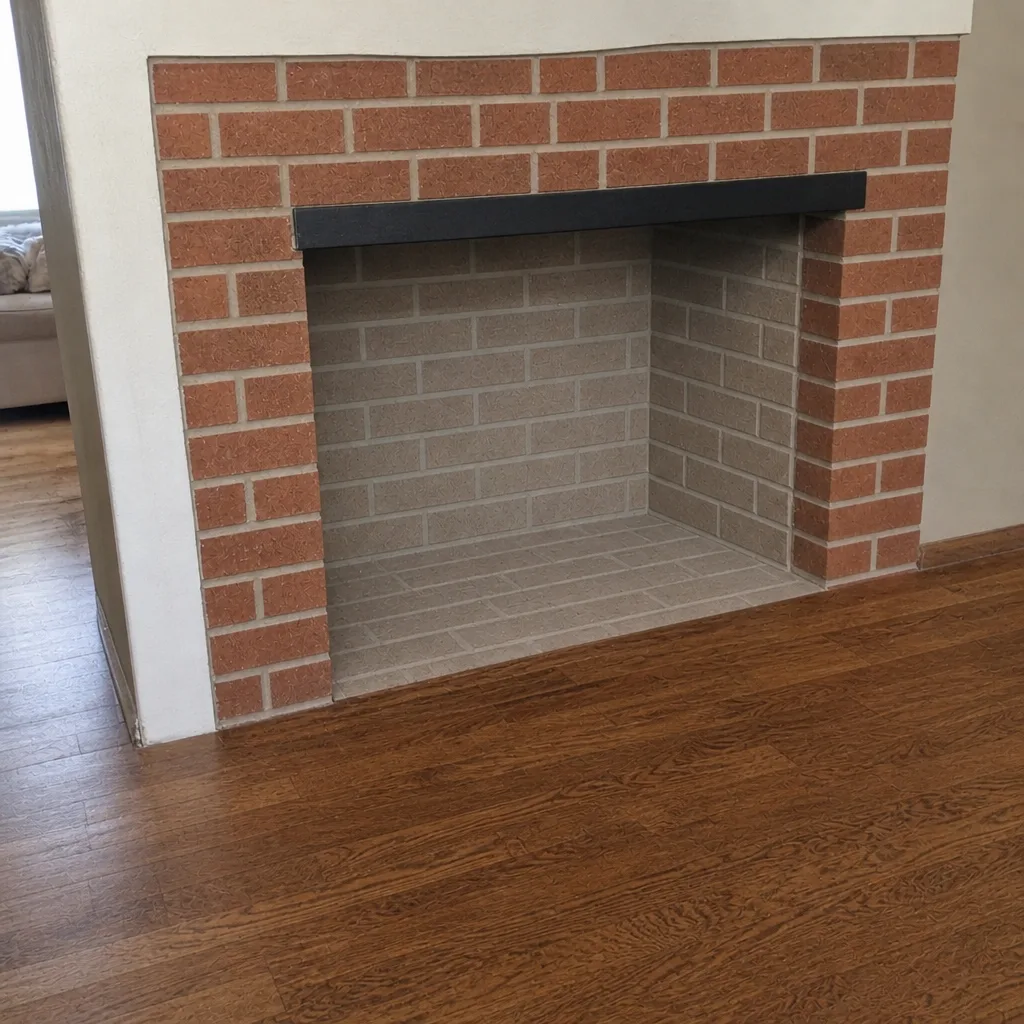
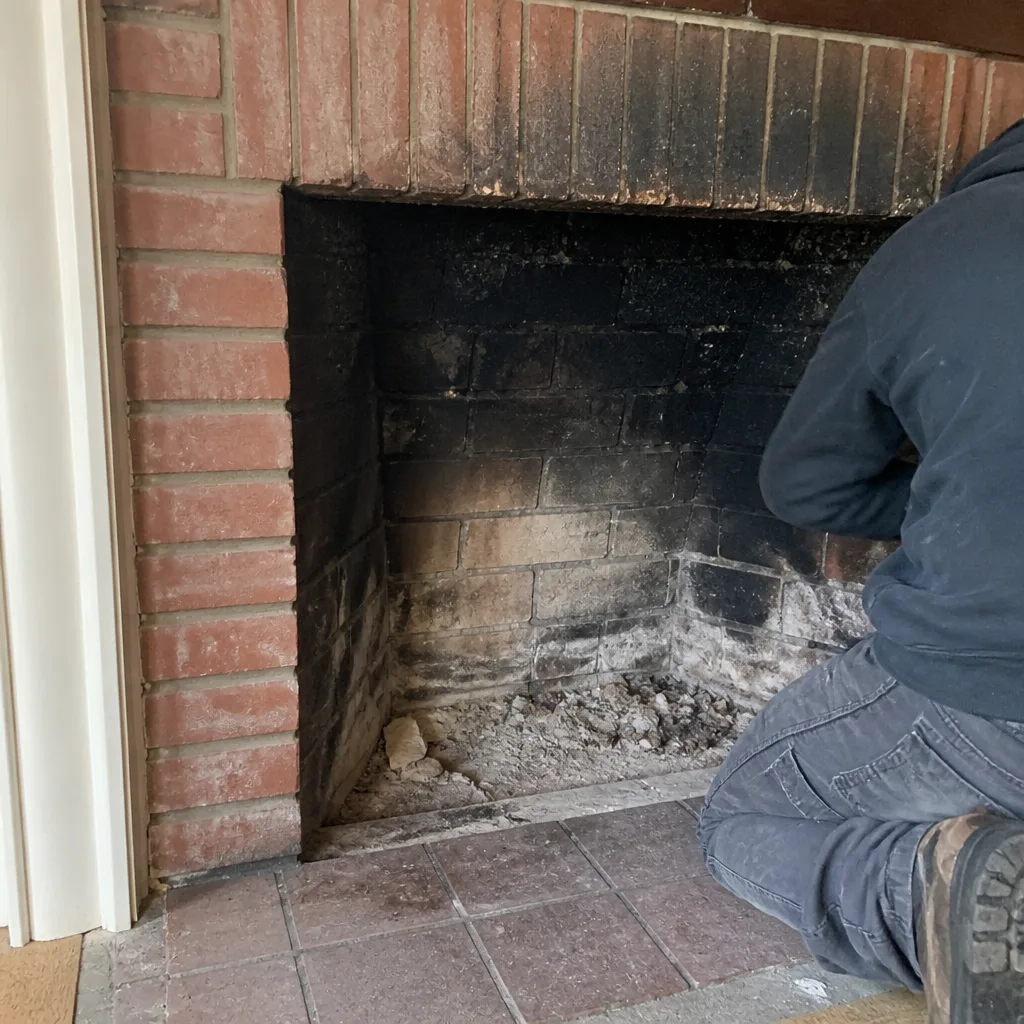
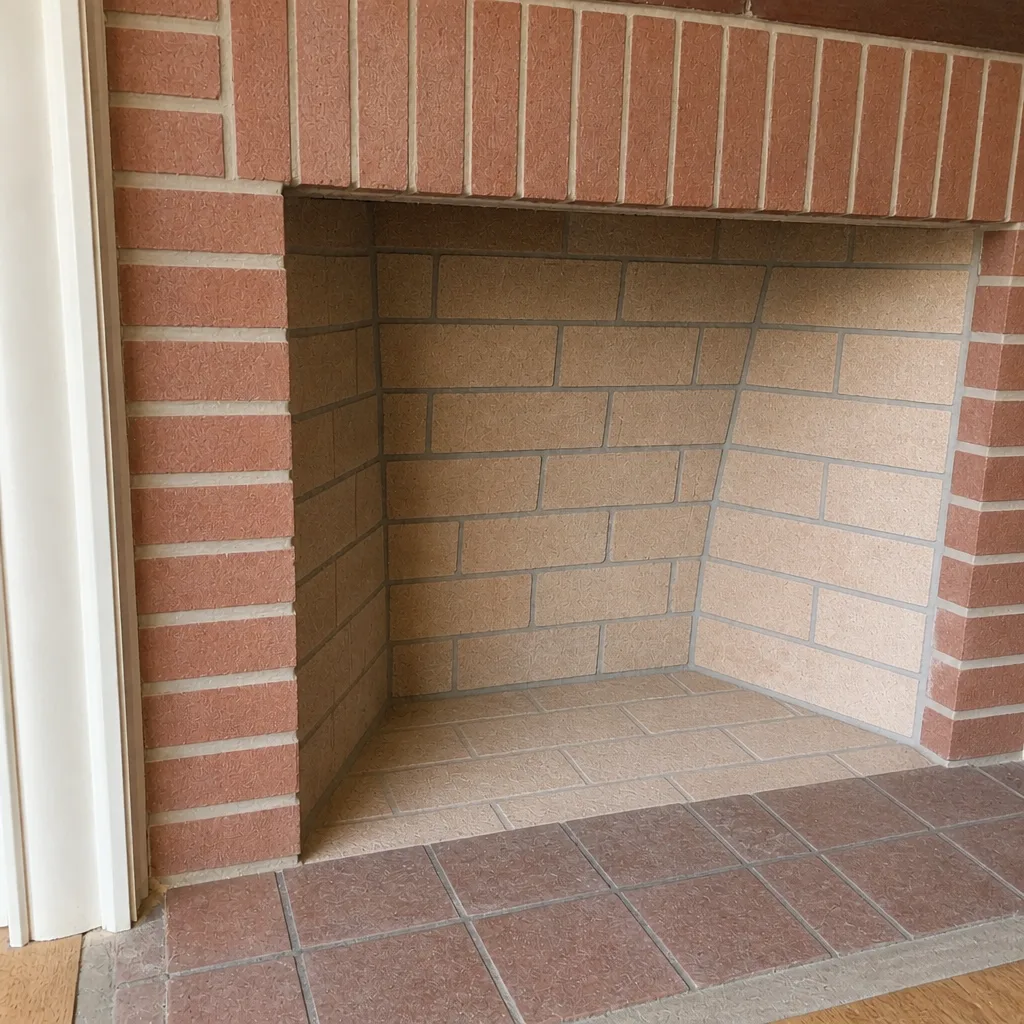
See the difference
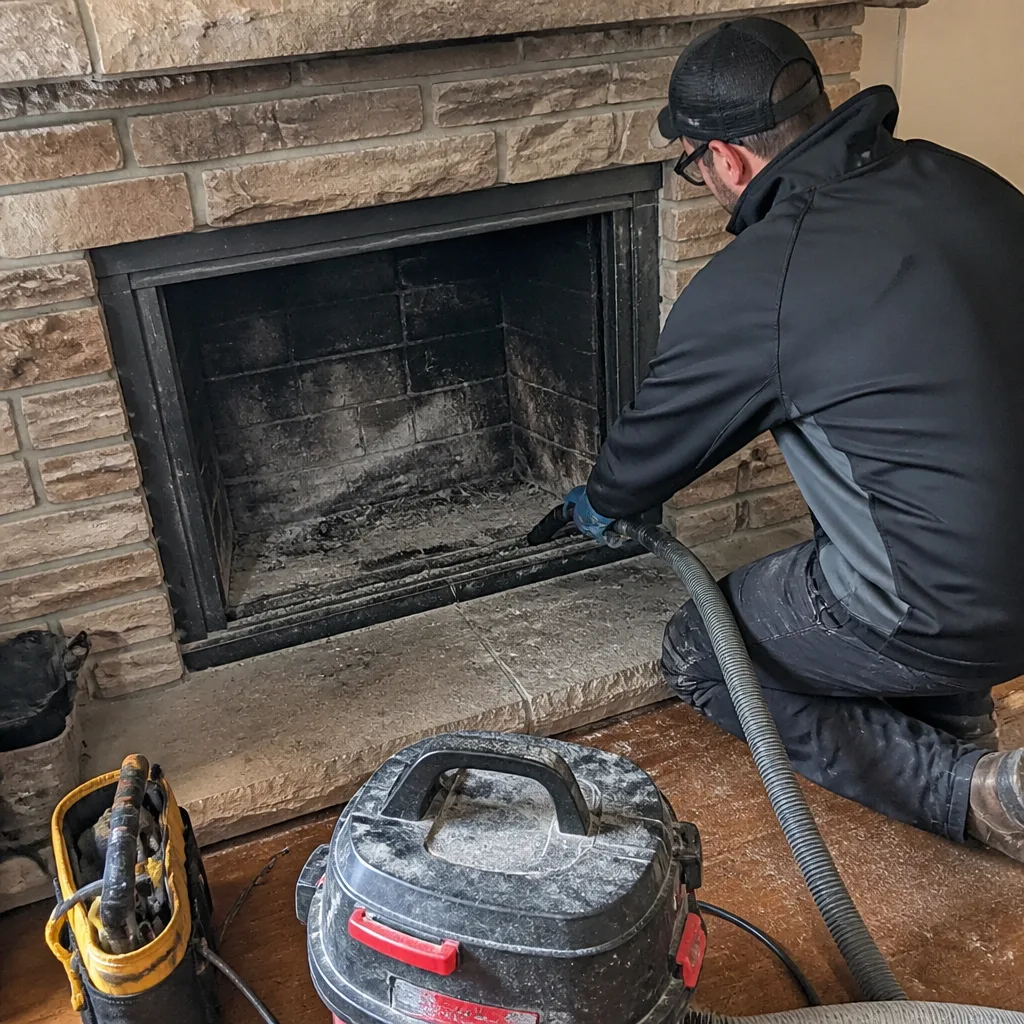 Before
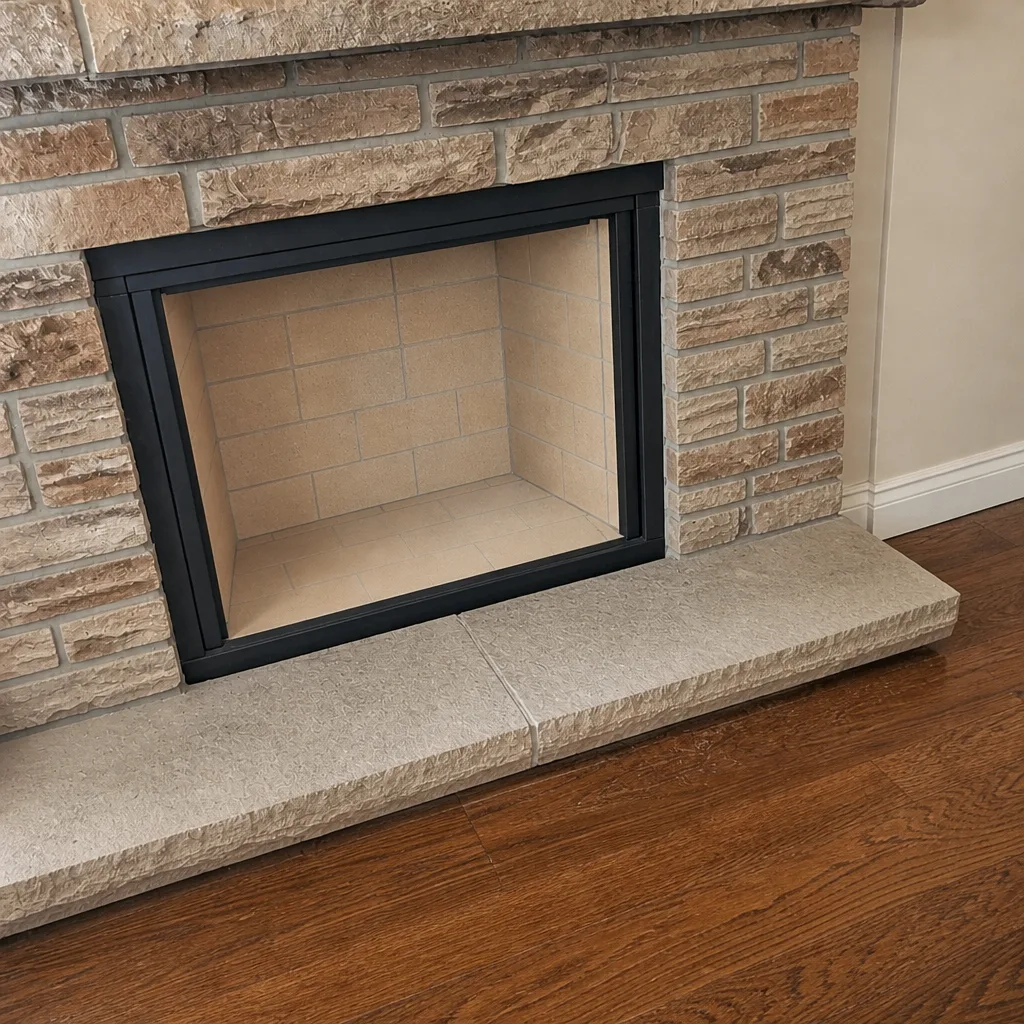 After
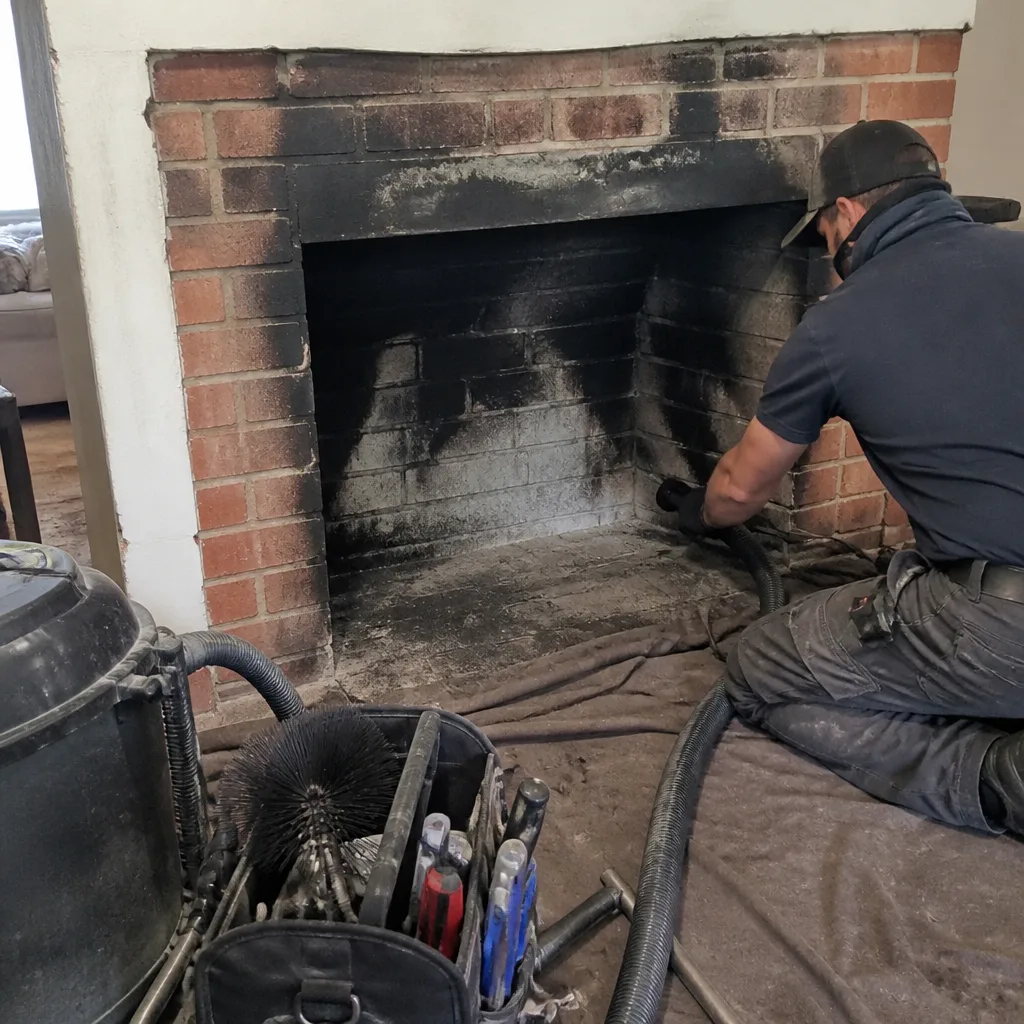 Before
 After
 Before
 After