
Last updated November 24, 2026
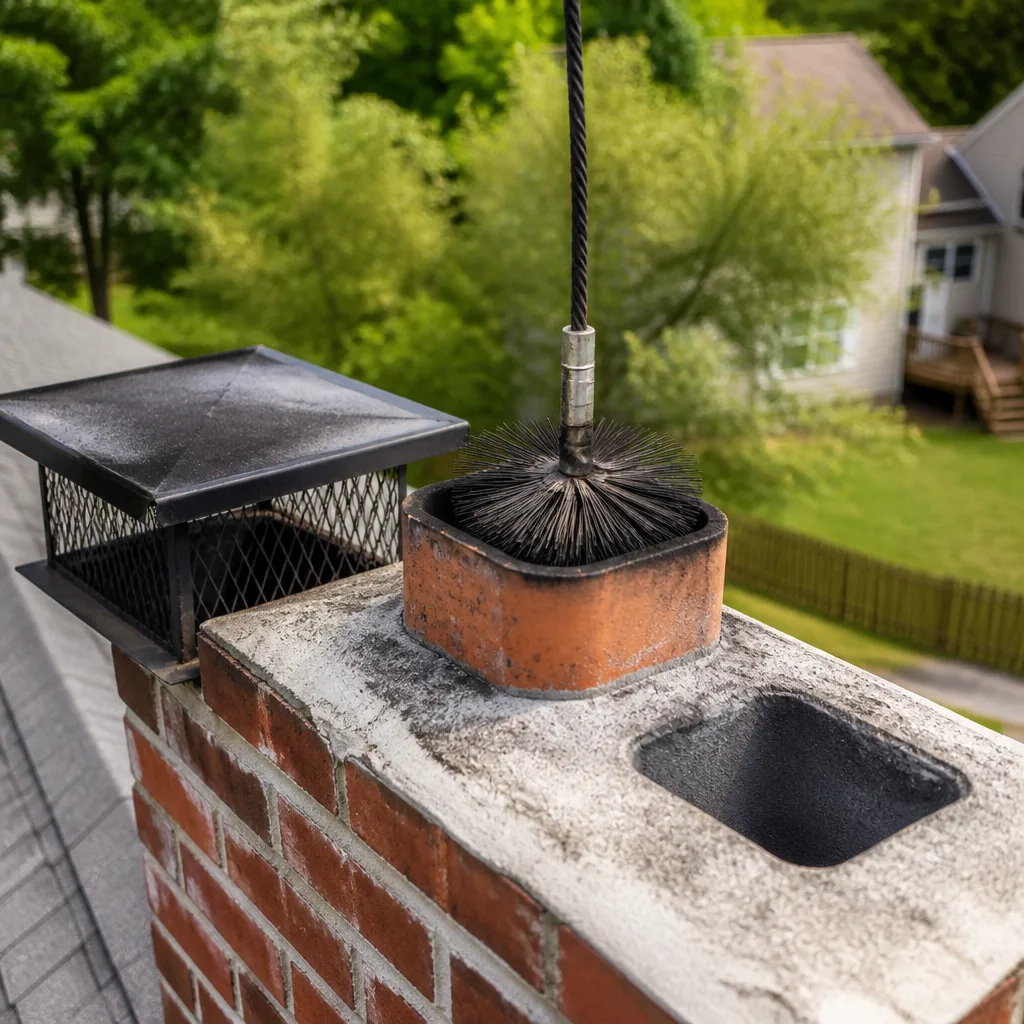 Sweep & inspection
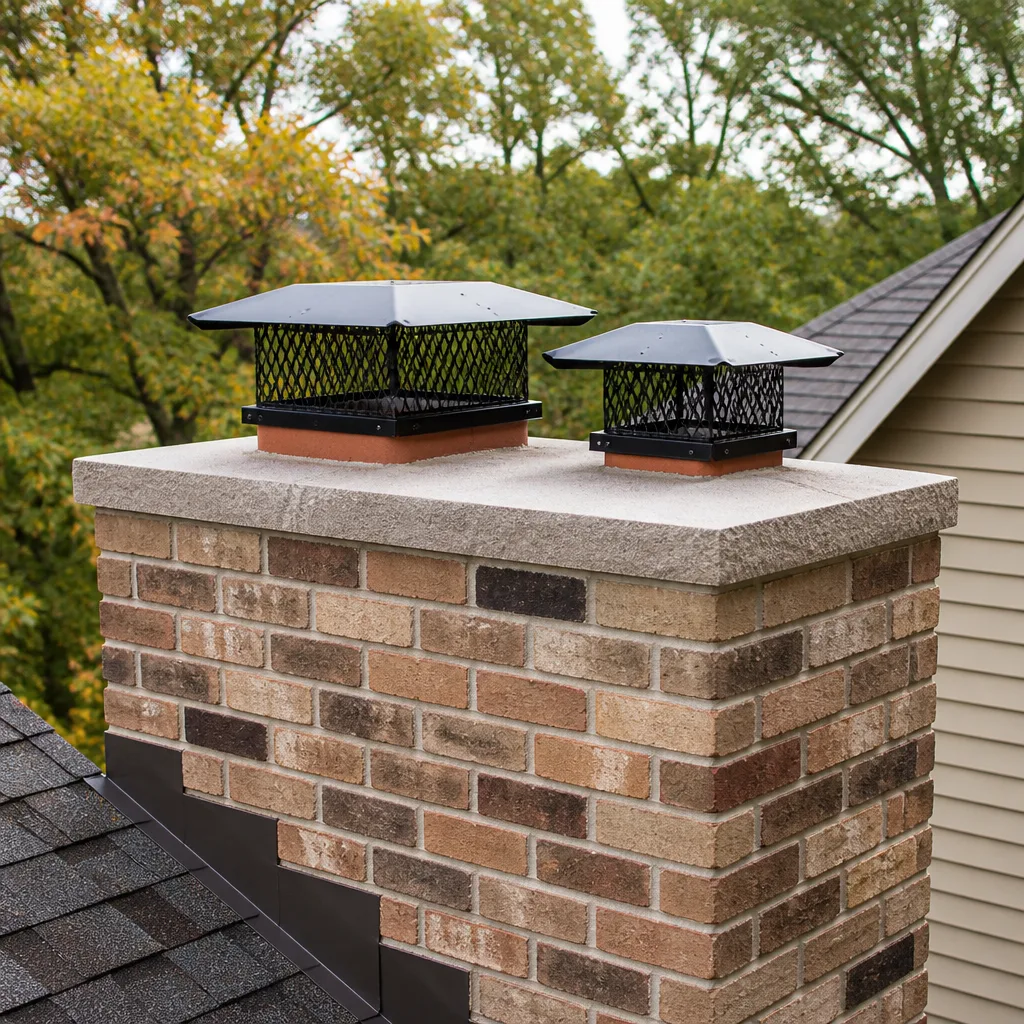 Caps & crowns
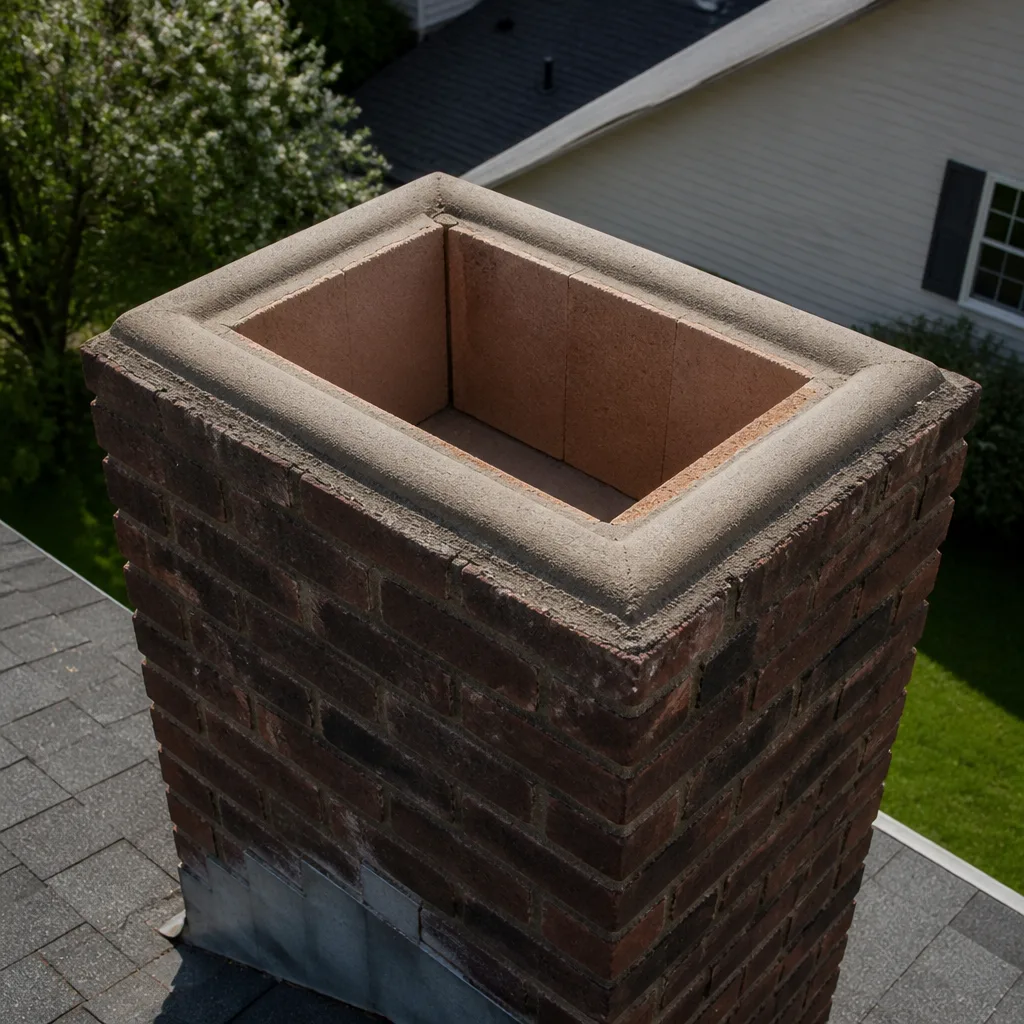 Flue relining
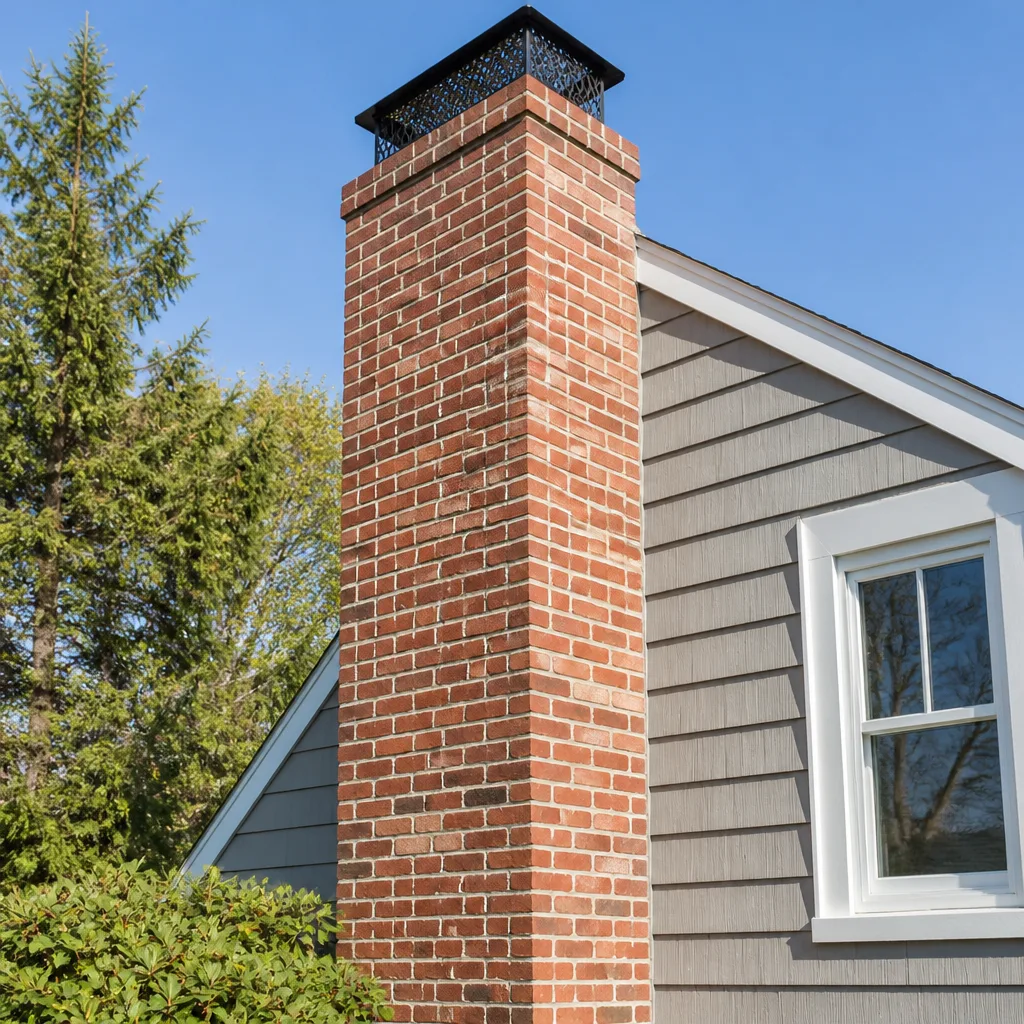 Masonry repair
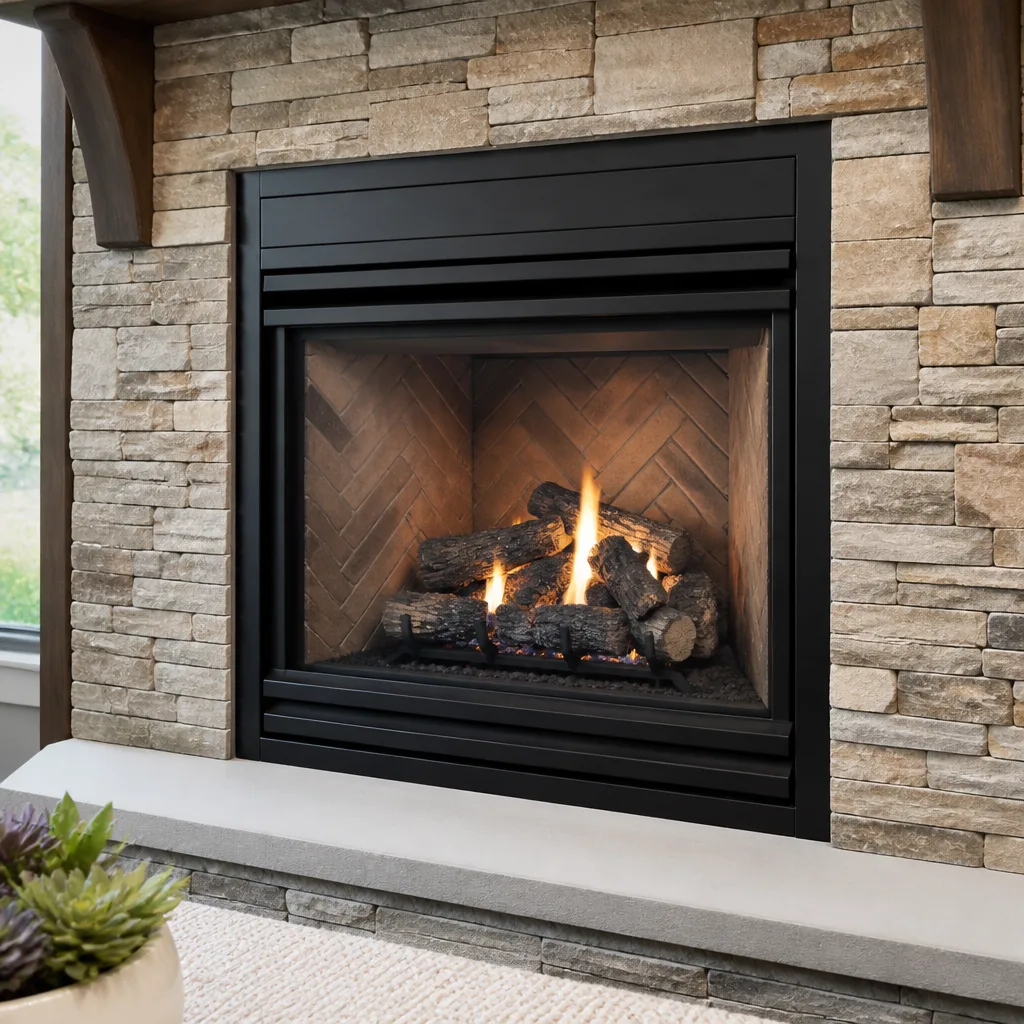 Gas fireplace service
Level 1 sweep and inspection to the NFPA 211 annual standard - flue, crown, cap, and flashing checked and photographed
Chimney sweep logs do not sweep chimneys. They loosen some creosote - which then falls where a brush and vacuum still have to collect it.
Chimney Cleaning Emergency Preparedness Guide for Lafayette Homes
If you hear a low roar coming from your chimney and see sparks exiting the top, you have a chimney fire in progress. Most homeowners have no idea what to do in the next 90 seconds, and that uncertainty is what turns a contained event into a structural house fire. But here’s the counterintuitive part: true emergencies are rare. What’s common is a slow-burn chimney fire you never hear, or a carbon monoxide problem building silently because your flue is blocked or cracked. This guide gives Lafayette homeowners a clear decision framework: when to call 911, when to call a chimney specialist within 24 hours, and when something alarming can safely wait for a scheduled appointment. You’ll learn the exact steps for a fire in progress, how to spot the signs of a past slow-burn, what Lafayette’s cold, long heating season does to your risk, and how to prepare before the first cold snap.
Quick Answer
A chimney emergency in Lafayette usually falls into one of three buckets: a visible chimney fire (call 911, then get everyone out), carbon monoxide symptoms (get out and call 911), or a structural problem like a cracked flue, fallen cap, or heavy creosote load that needs a specialist within 24 hours, not a panic call. A professional inspection after any fire event is mandatory before you burn again, even if the fire looks out.
Styles & brands we work with
- Sweep & inspection
- Caps & crowns
- Flue relining
- Masonry repair
- Gas fireplace service
Table of Contents
- What to Do in the First 90 Seconds of a Chimney Fire
- The Silent Fire: Recognizing a Slow-Burn Chimney Fire
- Carbon Monoxide Risk in Lafayette’s Cold-Weather Homes
- What Emergency Chimney Service Actually Involves
- Working With Your Insurance Company After a Chimney Fire
- Pre-Season Preparation Checklist for Lafayette Homes
- Emergency, Urgent, or Schedule It? A Triage Framework
What to Do in the First 90 Seconds of a Chimney Fire
A chimney fire is a fire inside your flue. The first sign is often a low roar, a vibration you feel through the wall, or sparks and flames shooting from the top of the chimney. You have seconds to make decisions, so know them before you need them.
Follow these steps in order:
- Get everyone out of the house first. Don’t stop to gather belongings. Get people and pets outside and to a safe distance.
- Call 911. A chimney fire can spread into the attic, roof structure, or adjacent walls before you see flames inside the home. Firefighters have thermal imaging and can confirm whether the fire has spread. Even if the fire appears to die down, call.
- Don’t pour water down the chimney. Water on a hot flue can crack masonry or a clay liner, and it can create a steam explosion. A cracked flue is a carbon monoxide pathway.
- Close the firebox doors or damper if you can do so safely. Starving the fire of oxygen can slow it, but only if you can reach the controls without risk.
- Wait for the fire department. Do not re-enter the home until they clear it.
Once the fire department has cleared the scene, the emergency isn’t over. A chimney fire leaves creosote deposits fused to the flue walls and can cause hidden cracks in clay tiles or metal liners. The chimney must be inspected by a specialist before you use it again, even if the fire appears to have gone out on its own. Burning again without that inspection risks a second fire or carbon monoxide entering your home through a breach you can’t see.
After the fire is out and the fire department has cleared the house, the next call is to a chimney specialist for a full inspection. If you’re in Lafayette and need that follow-up scheduled, our chimney sweep service handles the post-fire cleaning and inspection your system needs before you burn again.
The Silent Fire: Recognizing a Slow-Burn Chimney Fire
Not all chimney fires roar. A slow-burn chimney fire is just as damaging and often goes completely undetected. It burns at lower temperatures over a longer period, quietly consuming creosote and sometimes working its way into the flue structure without a sound. In our experience, many slow-burn fires are discovered months later during a routine inspection.
Evidence of a past slow-burn chimney fire includes:
- Puffy, honeycombed creosote inside the flue that looks like a sponge or popcorn, rather than flat, hard deposits. This pattern often means the creosote ignited and expanded.
- Warped or discolored metal liners, including buckled sections or heat-tinted steel that wasn’t visible before.
- Cracked or spalled clay tiles, with pieces missing or a crazed surface inside the flue.
- Creosote flakes in the firebox or on the smoke shelf, sometimes looking like black tissue paper or shards.
- Discoloration or heat damage on the chimney cap or the exterior masonry, sometimes with a “crazed” look on the crown.
- A faint, lingering burnt smell in the room near the fireplace that doesn’t clear after cleaning.
Lafayette’s long heating season means more burn hours and more creosote buildup than a homeowner in a warmer climate would see. A cold house in January gets the firebox loaded again and again, and each load adds a layer. When that layer thickens and ignites, it can smolder for hours without a sound. The stage where the crack forms is also the stage where the deposit is most likely to reignite.
This is where an inspection earns its keep. A trained eye examining the flue with a camera can tell the difference between deposits that are merely heavy and deposits that have already burned. If a slow-burn fire is found, the next step is often a full cleaning and a repair of any damage, and our chimney repair service covers that work when the inspection finds it.
Carbon Monoxide Risk in Lafayette’s Cold-Weather Homes
A compromised chimney system can leak carbon monoxide into a home, and in Lafayette’s climate that risk is higher than many homeowners realize. Two factors combine here: cold weather means homes are sealed tight, and long burn times mean the chimney runs continuously for weeks. A house that never opens a window has no fresh air to dilute a slow CO leak, and a continuous fire keeps feeding the breach.
Emergency signs of carbon monoxide exposure include:
- Headaches that seem to show up only when the fireplace or heating system is running.
- Dizziness, nausea, or fatigue that improve when you leave the house.
- Shortness of breath or confusion in family members or pets, especially in the same rooms.
- A CO alarm sounding. Get everyone out and call 911. Never search for the source first.
- Soot streaks, moisture, or rust on the outside of the chimney or vent pipe, a sign that exhaust isn’t venting correctly.
If any of those symptoms appear together, treat it as an emergency. Get everyone outside and call 911. Once the house is cleared, the chimney needs inspection before it’s used again. The most common CO pathways from a chimney are a blocked flue, a cracked liner, a disconnected vent, or a damaged crown letting water in that later freezes and splits the masonry.
This is why we tell Lafayette homeowners that a carbon monoxide alarm is only half the protection. The other half is a chimney inspection once a year and after any fire event. The alarm tells you there’s a problem; the inspection finds where the problem started. If you’re not sure your system is venting correctly, connect with us at Lafayette Chimney Sweep and we’ll take a look before the next cold stretch.
What Emergency Chimney Service Actually Involves
An emergency chimney service after a fire event is not a quick cleaning. It’s a diagnostic process that produces documentation. Here’s what a qualified specialist should do when they arrive:
- Assess the scene and confirm the fire is out. They’ll look for heat, smoke, and any signs the fire spread beyond the flue.
- Perform a visual inspection of the firebox, flue, damper, and cap. This covers the full chimney system, not just the part you can see from the hearth.
- Run a camera through the flue. A camera sees cracks, gaps, and warped liner sections that a visual inspection misses. Ask to see the footage.
- Check for structural damage. Crown, flashing, and exterior masonry are all checked, since a chimney fire can compromise them from the outside in.
- Document everything. A written report with photos and video, labeled by section, is the standard. This document is what your insurance company will ask for.
- Provide a written estimate for any repair. It should include materials and methods, not just a lump-sum number.
The material specified in that estimate matters too. A quality repair uses professional-grade components, the kind of industry brands the trade relies on, not anonymous parts pulled off a big-box shelf. When a liner needs replacement, professional components from makers like DuraFlex or Olympia Chimney are what a specialist will specify, and when a flue has damage that doesn’t require full replacement, HeatShield resurfacing can often bring it back instead. Copperfield is another brand in the professional toolkit for specific components. At the crown and cap level, Gelco and Famco products hold up under Lafayette’s freeze-thaw swings where generic parts might not.
The point of all this isn’t a sales list. It’s that a company using professional-grade materials can stand behind its work, and a homeowner can know what’s actually going into their chimney. A specialist that handles the whole system under one roof is also the one who will be doing the repair after the inspection, which removes the gap where a problem gets passed off to someone else. Our fireplace repair service covers firebox and fireplace-side work when a post-fire inspection finds damage there too.
Working With Your Insurance Company After a Chimney Fire
After a chimney fire, most homeowner policies will cover fire damage, and often the resulting water or smoke damage too, but documentation is the deciding factor. Insurance companies need a paper trail, and a chimney specialist’s report is the anchor of that trail.
Here’s how to move through the claim without losing time:
- Call your insurer after the fire is out and the fire department has cleared the scene. Report the event and ask what documentation they require.
- Get a written inspection report with photos and video. The more thorough the documentation, the easier the claim. Ask for a report that labels the flue sections and identifies any pre-existing damage vs. the fire damage.
- Keep the fire department’s incident report. Insurers will ask for it.
- Do not authorize repairs before you understand your coverage. Ask your insurer whether they require their own adjuster to inspect first.
- Ask about the scope of the repair. Sometimes the fire damages the flue only; sometimes it compromises the crown, flashing, or nearby framing. The estimate should list everything the inspection found.
One thing worth knowing: we can work with your insurer, but we don’t speak for your policy. The coverage decision is theirs. What we can do is make sure the documentation is thorough enough that the decision is based on evidence rather than guesswork. When an inspection is performed by the same team that will carry out the repair, the report and the estimate stay in sync, and the person telling you what’s wrong is the same person standing behind the fix.
Pre-Season Preparation Checklist for Lafayette Homes
Most chimney emergencies are preventable, and most of the prevention happens in the fall before the fire is lit. The items below are the ones that most often contribute to in-season failures.
- Schedule a professional chimney sweeping and inspection before the first burn. This is the single most important item. Clean the creosote out and confirm the flue is intact before you rely on it.
- Check the chimney cap and crown. A missing or damaged cap lets in rain, snow, birds, and debris. A cracked crown lets water in, which freezes, expands, and splits the masonry. Both are common causes of in-season surprises.
- Install and test carbon monoxide alarms on every level of the home. Test them before the heating season and replace batteries.
- Have the firebox and damper checked. A stuck damper or a damaged firebox wall is a safety issue, not a cosmetic one.
- Keep the top of the firebox clear and store firewood away from the house. Seasoned wood only, and no cardboard or trash in the firebox.
- Look at the chimney exterior after the first cold snap. Rust streaks, white staining, and a loose cap are all signs that the system needs a specialist now, not later.
- Make a plan for the first 90 seconds. Know where the fire extinguisher is, know the 911 script (address, what’s burning, who’s inside), and make sure every family member knows to get out first.
- Keep the top of the chimney accessible for inspection. Snow accumulation and ice at the top can hide problems. A weak or missing cap is much easier to spot before the roof is loaded with snow.
Lafayette’s elevation and cold winters are worth mentioning here, because they affect how much creosote a given fire load produces and how quickly a masonry crack worsens. A home sealed tight through January needs a chimney that vents correctly, and a schedule that doesn’t wait for an emergency to inspect the system.
Emergency, Urgent, or Schedule It? A Triage Framework
The core of preparedness is triage. Not every alarming situation is a 911 call, and not every quiet problem can wait. Here’s a simple decision framework:
- Call 911 immediately: visible flames or sparks exiting the chimney, a roaring sound from the flue with vibration, a CO alarm sounding, symptoms of carbon monoxide exposure, or flames visible anywhere in the chimney structure.
- Call a chimney specialist within 24 hours: a fire that appears to have gone out on its own, a sudden strong creosote smell, a chimney cap found on the ground, visible cracks in the masonry or crown, a damper that won’t close, or soot streaks on the exterior.
- Schedule a regular appointment: a slow draft, a smoky fireplace that’s been that way for a while, a chimney that hasn’t been swept in over a year, or a cap that’s intact but older than the rest of the system.
The middle category is where most homeowners get stuck. They don’t want to overreact, and they don’t want to underreact. The rule of thumb: if you saw flames or heard a roar, the chimney was on fire, and even if it’s out, it needs inspection before the next burn. If you didn’t see or hear anything but something has changed (a smell, a draft, a crack), it can wait until the next scheduled appointment, but it shouldn’t wait forever.
Common Mistakes to Avoid
- Burning again after a chimney fire because it “looked fine.” The damage from a chimney fire is often invisible from the firebox. Cracks in the flue or crown can let carbon monoxide in, and a second fire in a compromised flue is how a contained event becomes a structural one.
- Skipping the annual inspection because the fire looks clean. Creosote buildup and slow-burn damage don’t show up in a visual check. An annual professional inspection catches what you can’t see from the hearth.
- Ignoring the cap and crown until they leak. A cracked crown or missing cap lets water in, and in Lafayette’s freeze-thaw cycles, that water becomes a masonry failure once the temperatures drop. Fixing the cap and crown in the fall prevents a much bigger repair in winter.
- Using the fireplace as a trash incinerator. Cardboard, wrapping paper, and treated wood burn hot and produce more creosote than seasoned firewood. Sooty smoke and a hot firebox are an avoidable combination.
- Relying on the fire department alone after a fire event. The fire department confirms the house is safe to re-enter. It does not inspect the inside of the flue or certify the chimney for another burn. That’s a specialist’s job.
- Choosing an inspector who doesn’t do the repair. When the inspector and the repair contractor are different companies, the report can be inflated to feed the repair. Our inspections are performed by the same team that carries out the repair, so accountability stays in one place.
- Assuming a smooth-smelling fire is a safe one. A slow-burn chimney fire can produce very little visible smoke at all. The absence of smoke is not evidence that your chimney is fine.
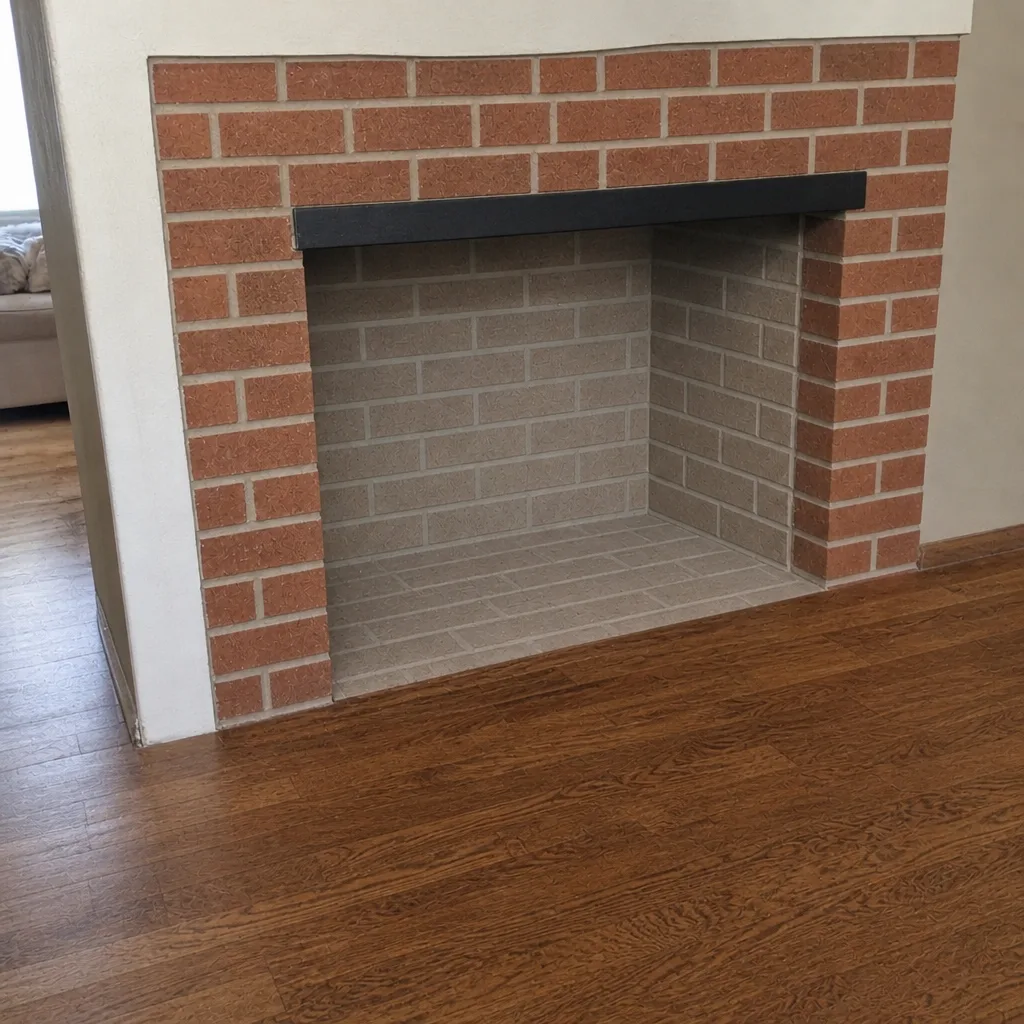
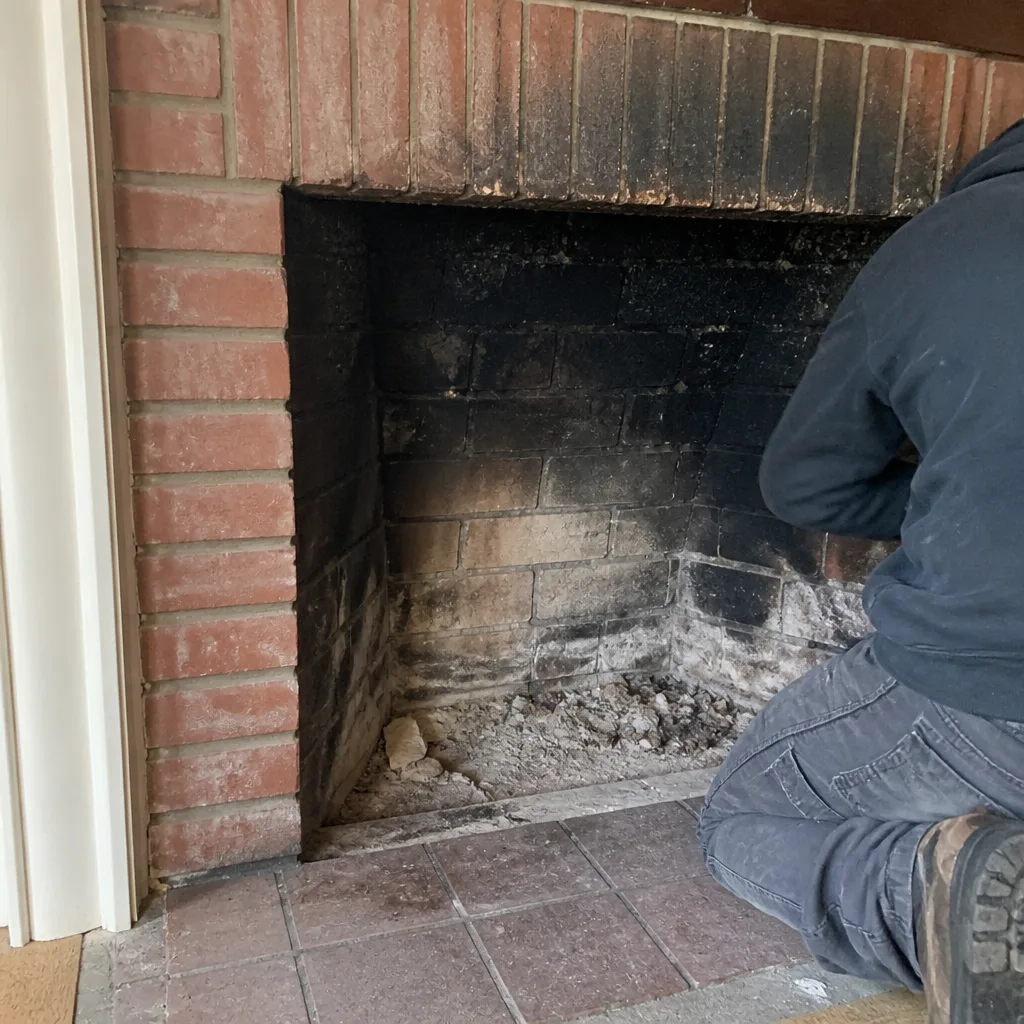
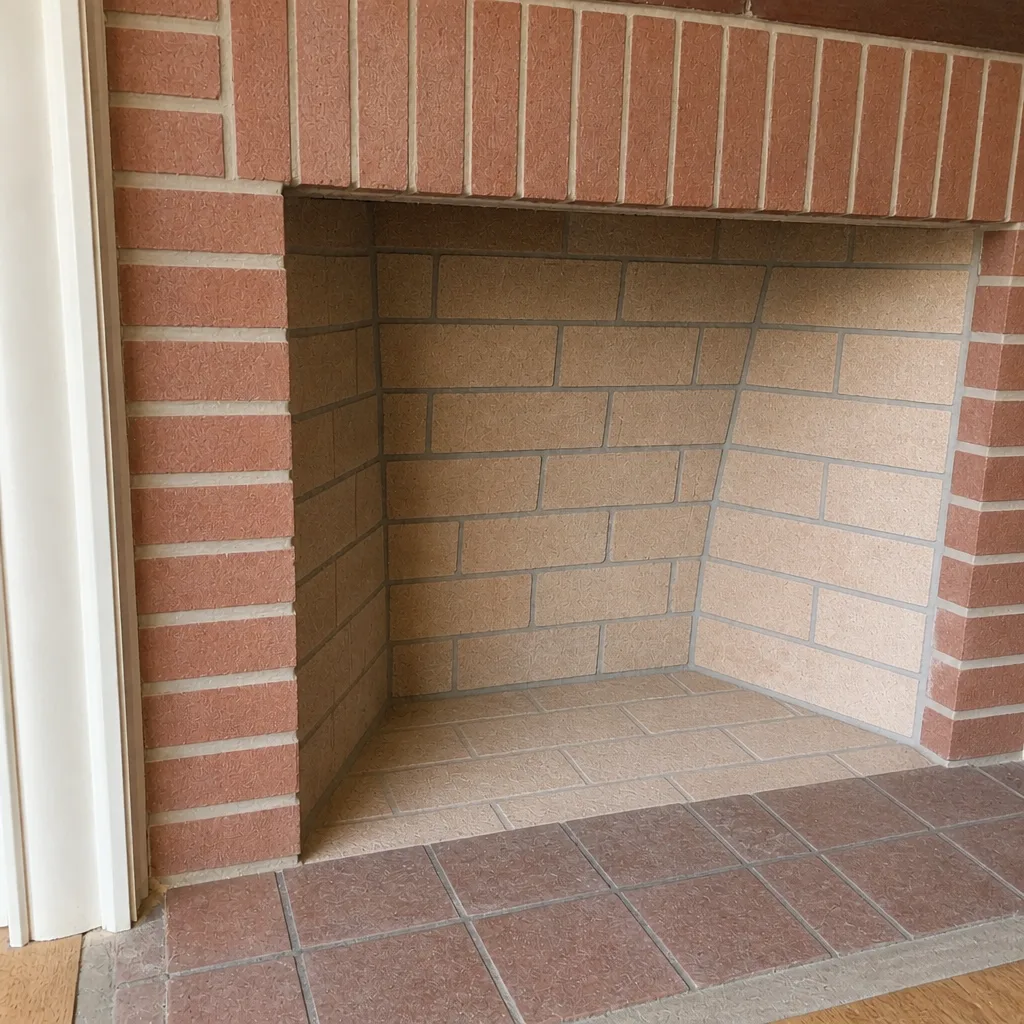
See the difference
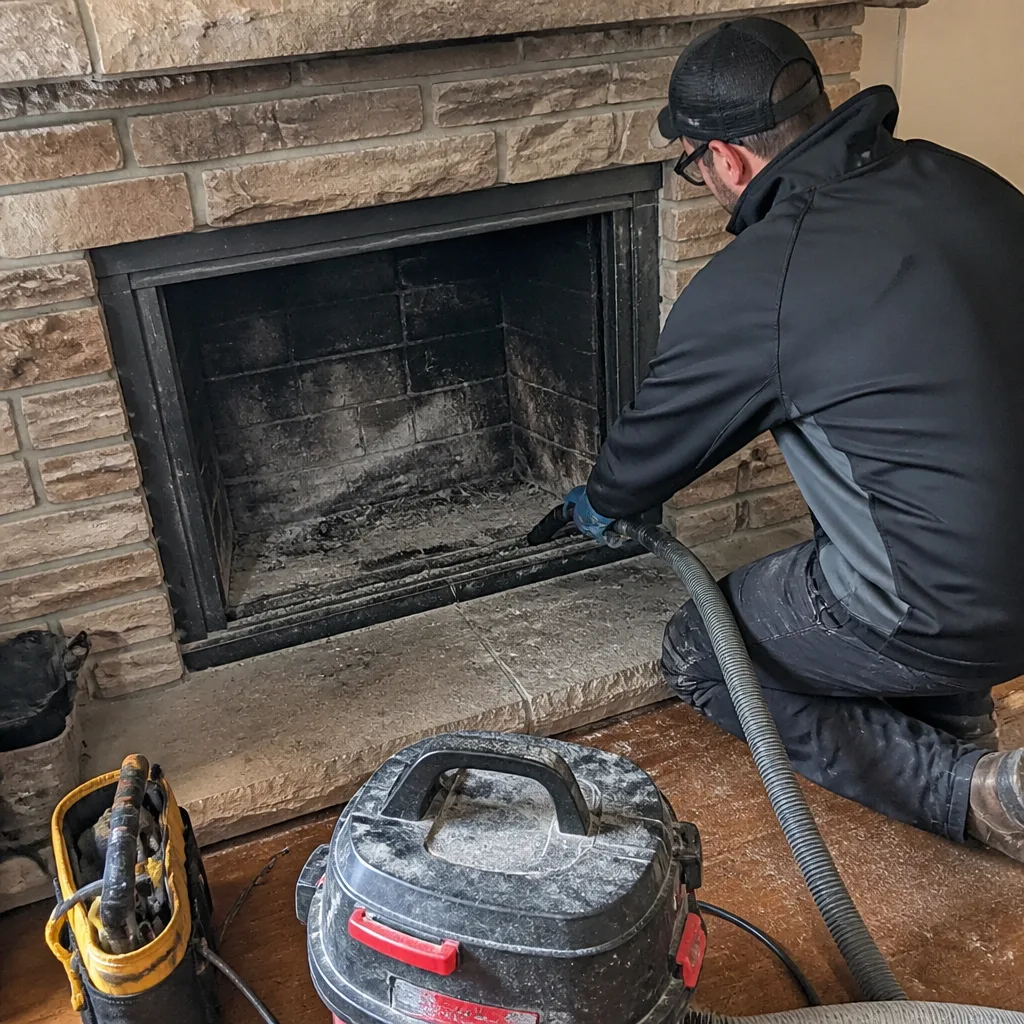 Before
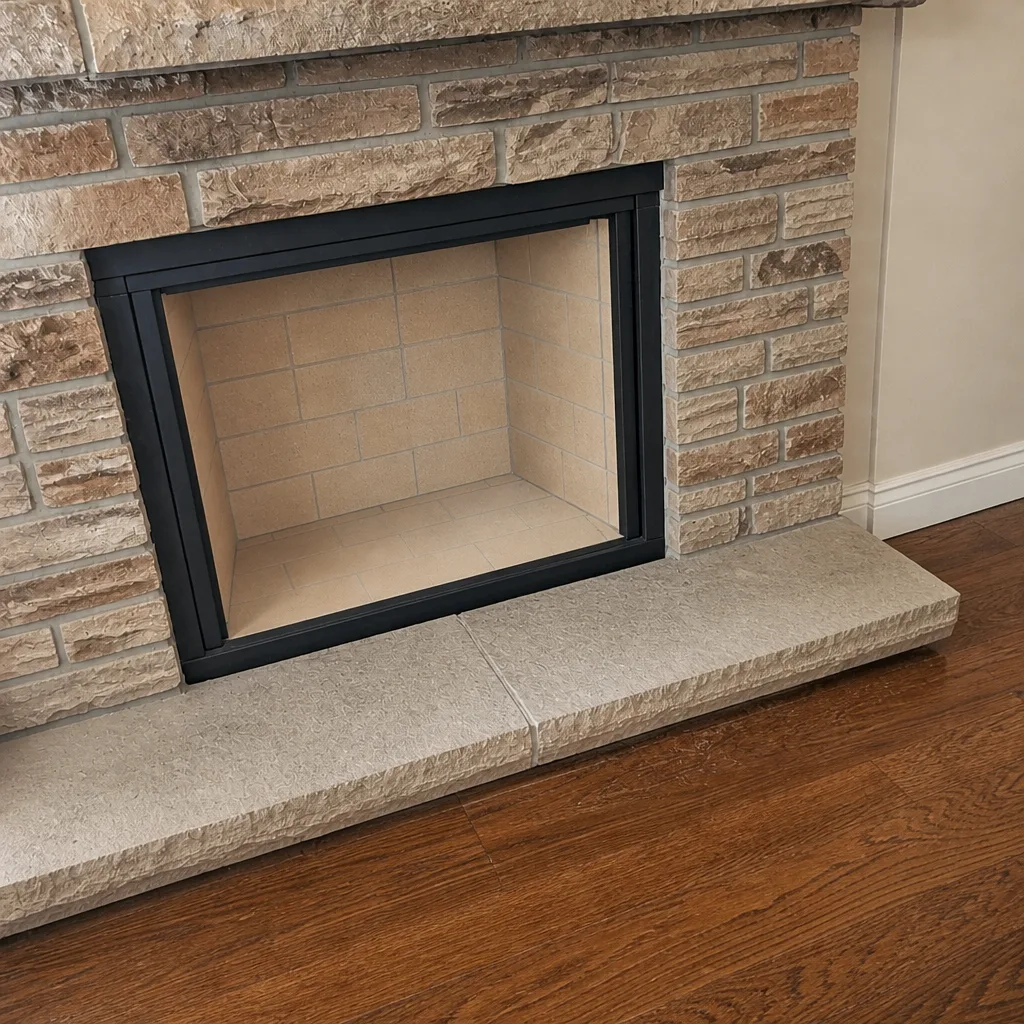 After
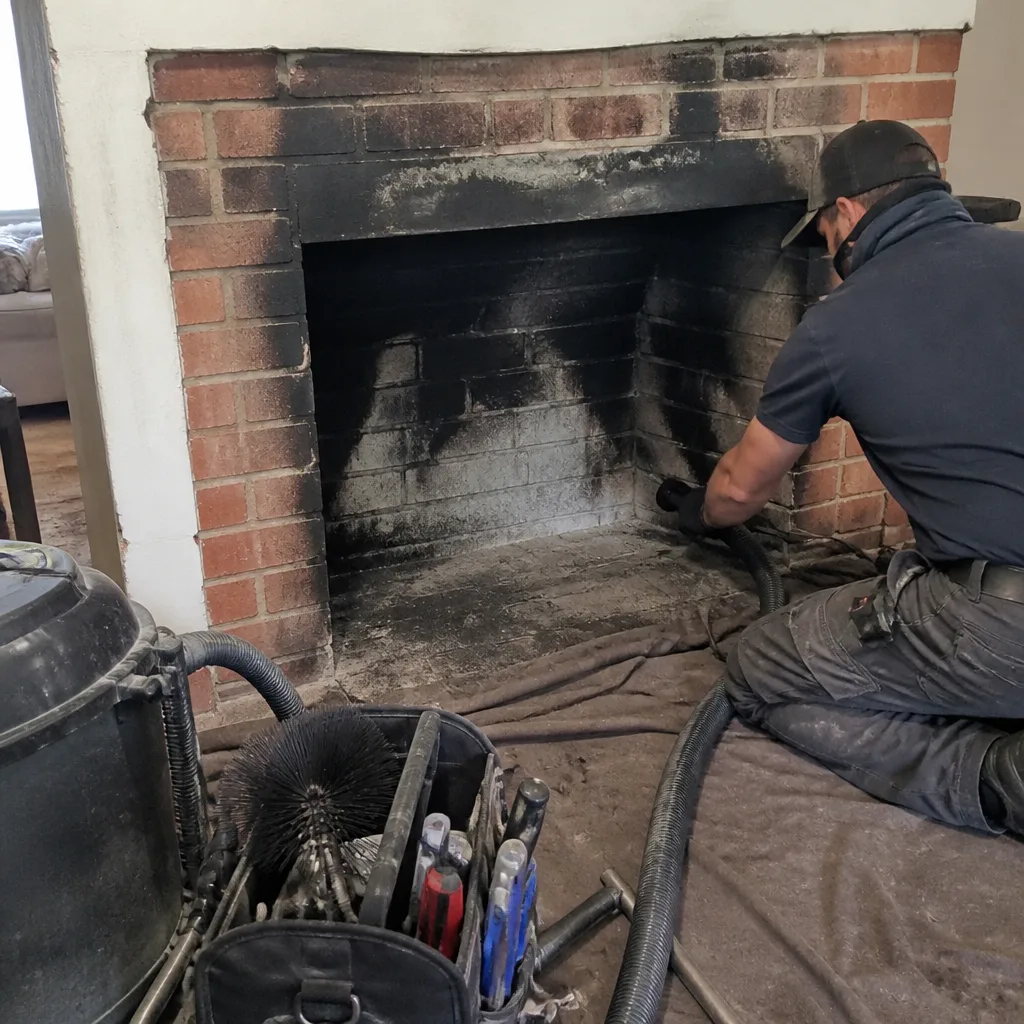 Before
 After
 Before
 After
When to Call a Professional
Some situations can’t wait for a scheduled appointment. Call a chimney specialist right away if any of these apply:
- A chimney fire has occurred, even if it appears to have gone out on its own
- Your CO alarm has sounded or anyone in the home has CO symptoms (call 911 first)
- You see cracks in the crown, masonry, or flue from the outside
- The chimney cap is missing, damaged, or on the ground
- A strong creosote or smoke smell lingers in the house
- The damper won’t open or close, or the firebox walls are damaged
- You haven’t had an inspection or sweeping in the past year
Lafayette Chimney Sweep offers free estimates in Lafayette. Call (844) 272-3731. We answer 24/7. Fast dispatch from 7am to 7pm, Sunday through Friday. Our technicians have up to 10 years of experience, and we’ll give you an honest read on what can wait and what can’t.
Frequently Asked Questions
Get everyone out of the house and call 911. Don’t pour water down the chimney, and don’t re-enter until the fire department has cleared the scene. Once the fire is out, have the chimney inspected before you burn again.
Often you can’t tell without an inspection. Signs include puffy, honeycombed creosote, warped or discolored metal liners, cracked clay tiles, and creosote flakes in the firebox. A professional camera inspection will show whether a past fire has damaged the flue. If you saw or heard a fire, call (844) 272-3731 for a post-fire inspection.
Cold weather keeps windows and doors shut for months, so there’s no fresh air to dilute a CO leak. Long, continuous burn times also put more wear on the flue. A cracked liner or blocked flue that leaks in a Lafayette winter is a bigger danger than the same breach in a milder climate.
Yes. A chimney fire can leave hidden cracks in the flue, fused creosote that can reignite, and crown or masonry damage that isn’t visible from the firebox. Never burn again in a chimney that hasn’t been inspected since a fire. Call (844) 272-3731 to schedule one.
No. “Seems fine” isn’t a safe standard after a chimney fire. The damage that matters is usually inside the flue or at the crown, and both can let carbon monoxide into the house or allow a second fire to start. Wait for an inspection and a written clearance before you burn.
Once a year for a wood-burning fireplace, and after any fire event. A home that burns frequently or burns unseasoned wood may need it more often. Schedule the sweeping and inspection before the heating season starts so any repair can happen before the first cold snap. Call (844) 272-3731 to book it.
The Bottom Line
Chimney emergency preparedness comes down to triage. A chimney fire is a 911 call, a post-fire inspection is mandatory, and a slow-burn or a cracked crown is a specialist call within a day or two. The prevention that matters most is a pre-season sweeping and inspection, a working CO alarm, and a chimney cap and crown that keep water and debris out. If you take one thing from this guide, let it be this: you don’t have to guess. Call (844) 272-3731 and we’ll give you a straight answer about what’s urgent, what can wait, and what your chimney needs.
We’ve built our work around the whole system, from sweeping and inspection to chimney repair and fireplace repair, so the person who inspects your chimney is the person who stands behind the fix. That’s what emergency preparedness really means: knowing who to call, and having a specialist who handles the job from top to bottom. To get a free estimate, call (844) 272-3731. We answer 24/7. Fast dispatch from 7am to 7pm, Sunday through Friday.
Written by the team at Lafayette Chimney Sweep.