
Last updated November 24, 2026
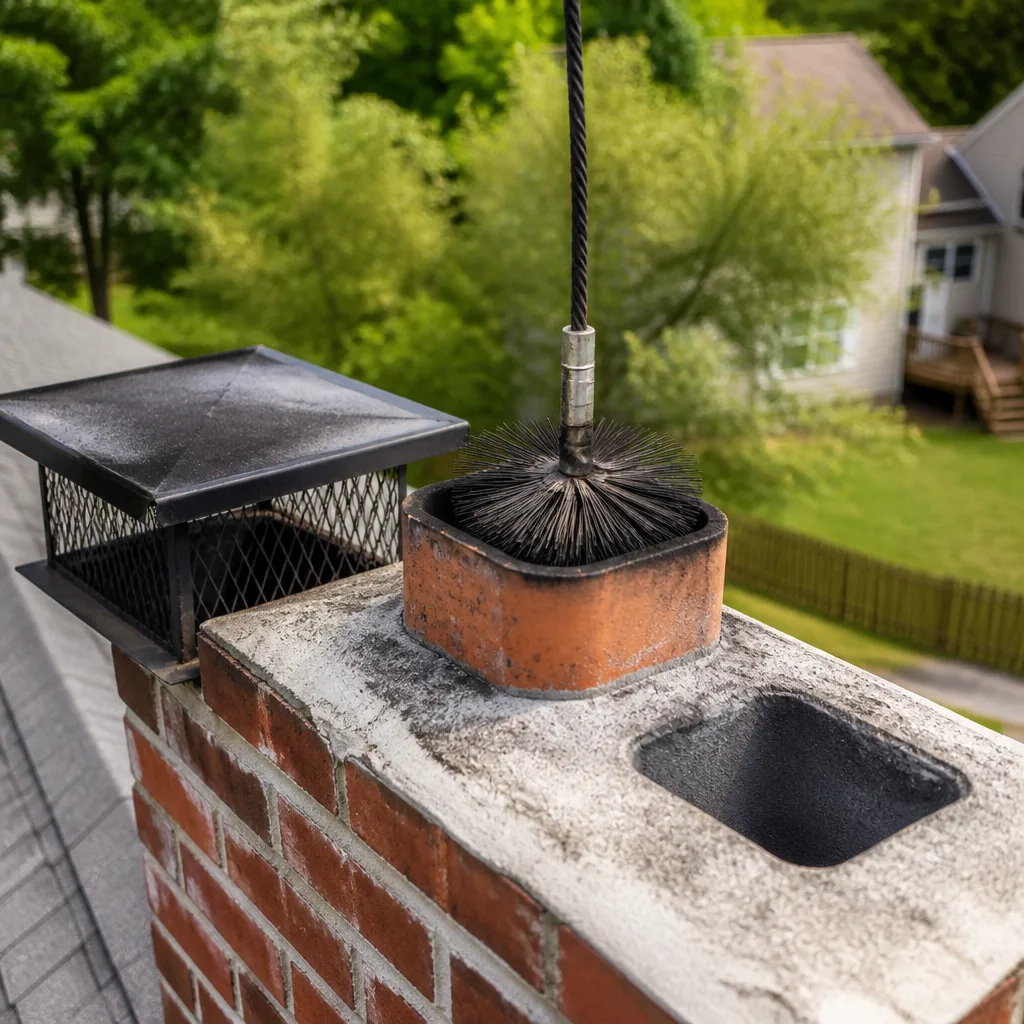 Sweep & inspection
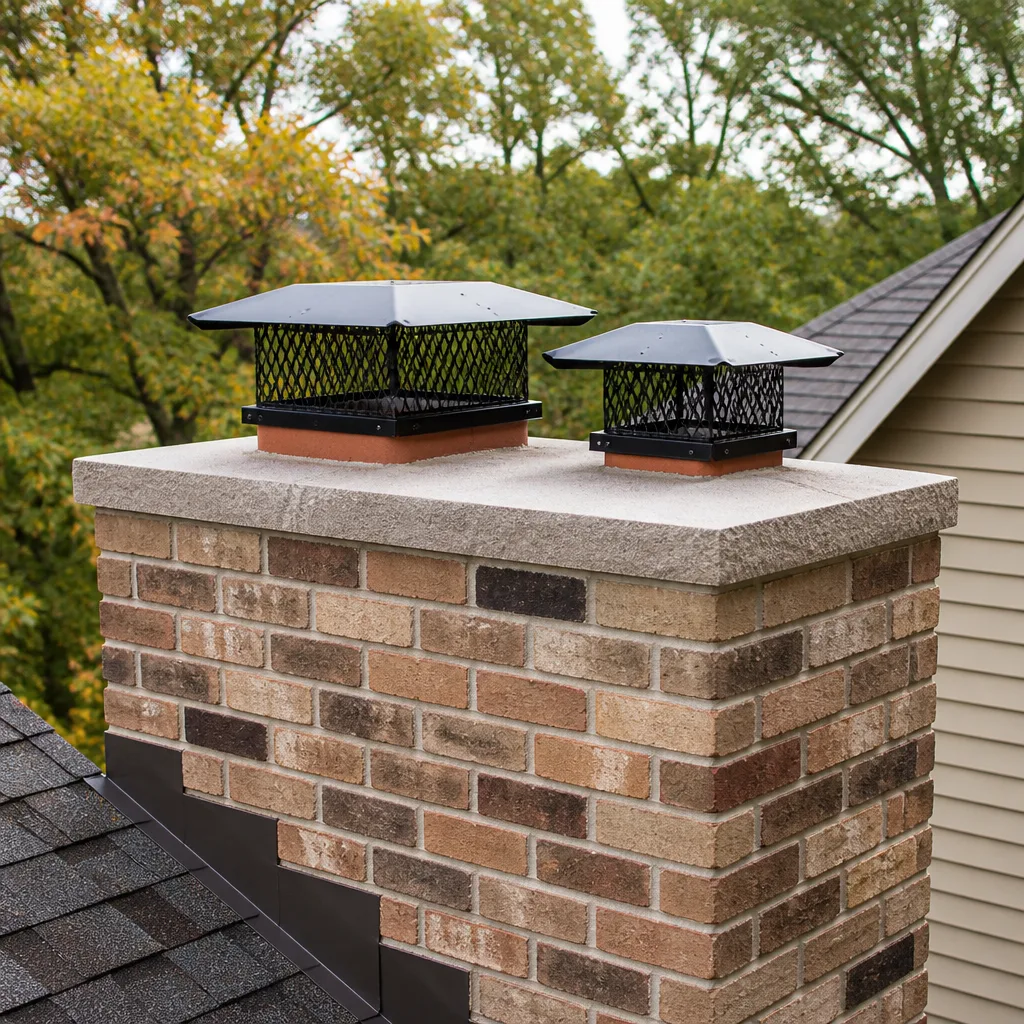 Caps & crowns
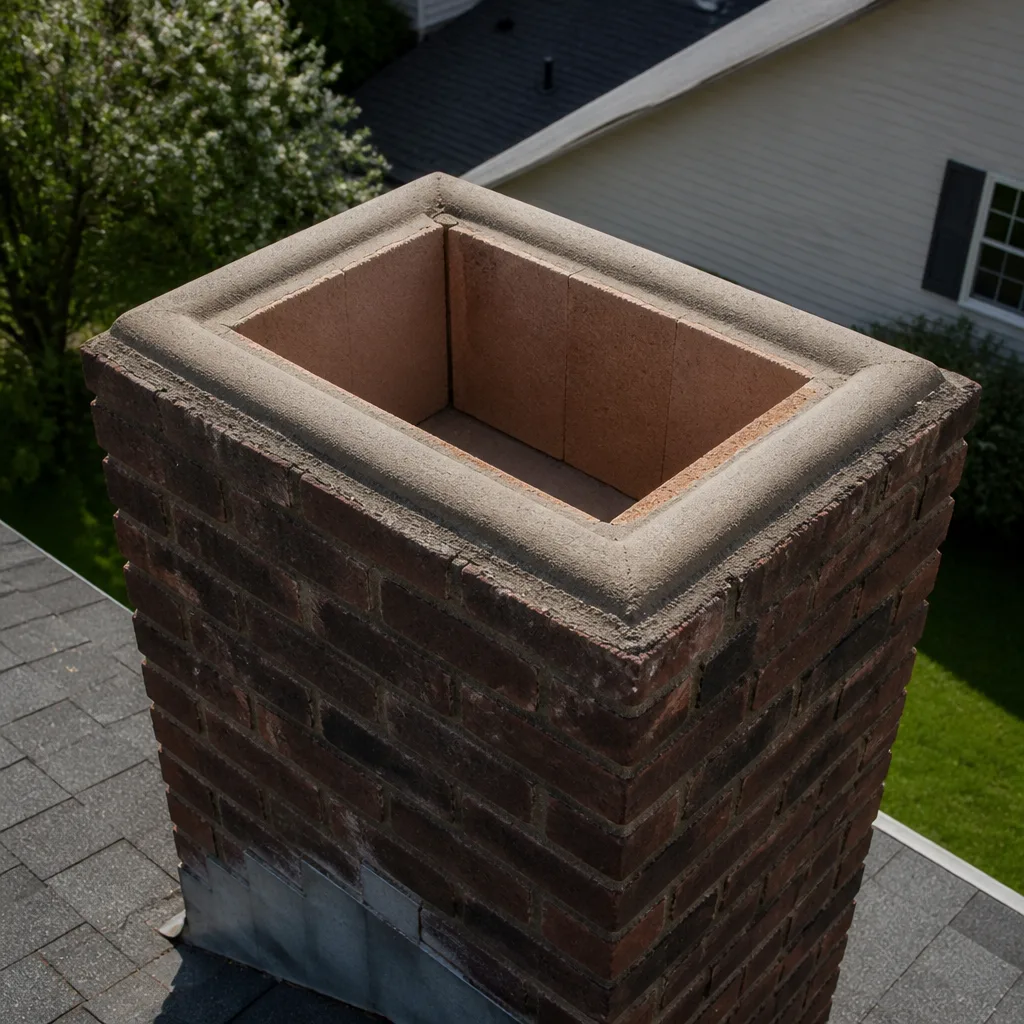 Flue relining
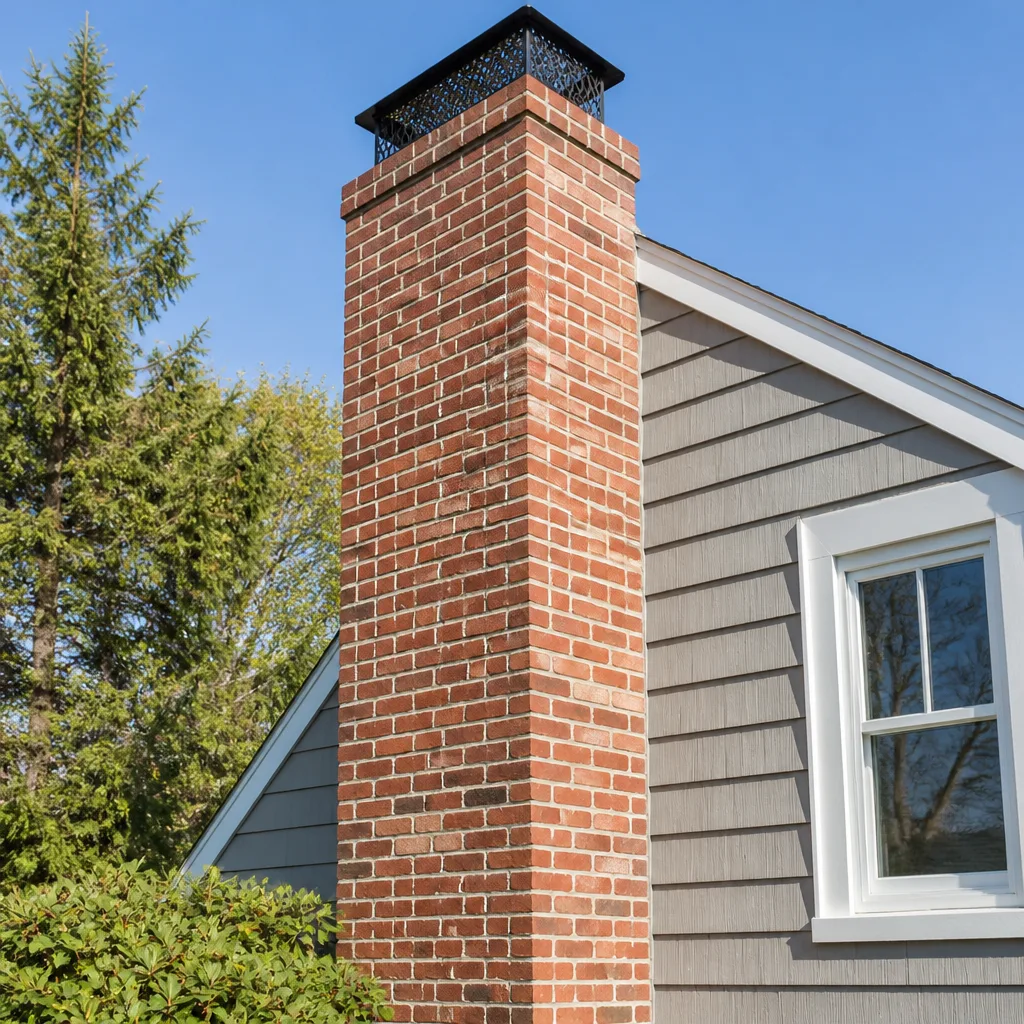 Masonry repair
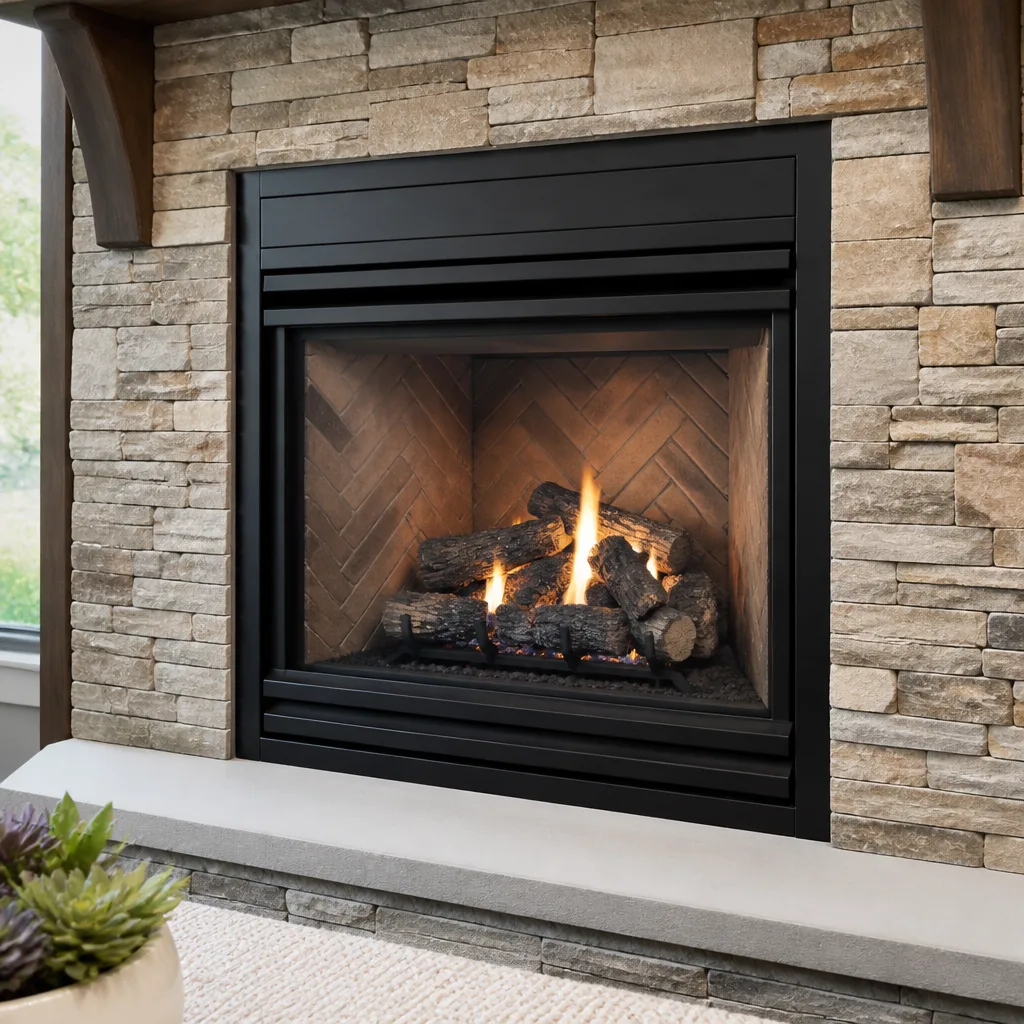 Gas fireplace service
Level 1 sweep and inspection to the NFPA 211 annual standard - flue, crown, cap, and flashing checked and photographed
Chimney sweep logs do not sweep chimneys. They loosen some creosote - which then falls where a brush and vacuum still have to collect it.
Chimney Cleaning Warning Signs: A Lafayette Homeowner’s Reference Guide
Most chimney problems don’t announce themselves with flames. They show up as a drafty living room in January, a smoky smell that lingers three days after a fire, or a chalky white stain on the brick outside. Homeowners walk past those clues every day because they look like house problems, not chimney problems. Here’s the part worth sitting with: by the time a warning sign is visible on the outside of your chimney, the condition behind it has usually been developing for months. This reference guide decodes twelve of the most commonly missed warning signs, explains what’s mechanically happening when each one appears, and gives you a simple stop, schedule, or monitor decision for every one. Lafayette homeowners deal with a specific set of conditions that produce their own signature warnings, and we’ll cover those too.
Styles & brands we work with
- Sweep & inspection
- Caps & crowns
- Flue relining
- Masonry repair
- Gas fireplace service
Quick Answer
In Lafayette, the chimney cleaning warning signs that matter most are smoke rolling back into the room, a persistent creosote smell after the fire is out, a chalky white stain on exterior masonry, flaking brick, and any debris or animal nesting visible at the flue. Any of those means schedule a professional inspection before your next fire. Smoke rollout, a strong burning smell with no fire lit, or a carbon monoxide detector sounding means stop using the fireplace immediately.
Table of Contents
- What Your Chimney Is Telling You (And Why Homeowners Miss It)
- The Twelve Most Missed Warning Signs
- The Stop / Schedule Soon / Monitor Decision Tree
- Warning Signs Colorado’s Climate Produces
- Interior Warning Signs Homeowners Attribute to Other Causes
- Creosote Stages: What Glazed Tar Tells You
- What a Professional Inspection Actually Finds
- Common Mistakes to Avoid
- When to Call a Professional
- Frequently Asked Questions
- The Bottom Line
What Your Chimney Is Telling You (And Why Homeowners Miss It)
A chimney is a pressure system, a drainage system, and a combustion exhaust path all stacked into one vertical column. When any one of those functions degrades, the symptom rarely appears where the problem lives. Water that enters at the crown shows up as a stain on the firebox brick. Creosote that builds up in the flue shows up as a slow draft you blame on the window seals. That mismatch between cause and symptom is the single biggest reason chimney problems go unaddressed until they become expensive.
We’ve walked through hundreds of Lafayette homes where the fireplace hadn’t been serviced in years, and the homeowner genuinely believed everything was fine because the fire still lit. It usually does. Wood-burning fireplaces are forgiving that way, right up until the flue is restricted enough to send smoke into the room or the creosote is thick enough to ignite. The fireplace keeps working right up to the moment it doesn’t.
What makes the Lafayette area distinctive is the combination of elevation, temperature swings, and high-wind exposure along the Front Range. Winter nights drop hard, and daytime sun in the same week can nudge masonry above freezing. That’s a repeated freeze-thaw cycle, and masonry does not tolerate it gently. Add to that the wind that funnels off the foothills, and you get downdraft problems that look exactly like a badly designed fireplace when they’re really just a chimney reacting to local weather. Understanding what your chimney is doing mechanically lets you interpret the warning signs correctly, instead of crossing your fingers.
This guide treats warning signs as evidence. Each one is a piece of diagnostic information, and the job is to figure out what it’s telling you before you decide whether to keep burning. We also want to be clear about when the right call is a professional. Some signs are early alerts that let you plan. Others are red lines that mean shut it down. Knowing which is which is the whole point of this reference.
The Twelve Most Missed Warning Signs
These are the twelve signs homeowners most often overlook, listed in rough order of how urgently they should be resolved. Each comes with what’s mechanically happening and what action it calls for. Read through them at the start of every burning season.
1. Chalky white staining on exterior brick. This is efflorescence, and it means water has been traveling through your masonry long enough to carry dissolved salts to the surface. The stain is the visible evidence of a moisture path. Action: schedule.
2. Spalling or flaking brick faces. When water freezes inside brick, it expands and pushes flakes of the face off. Repeated freeze-thaw cycles at Colorado elevation accelerate this. Action: schedule.
3. Smoking back into the room. Smoke rolling out is a pressure or obstruction problem: a blocked flue, a poorly performing cap, or a draft overpowered by wind or a tight house. Action: stop until inspected.
4. Persistent smoky odor after the fire is out. A drafty, cold chimney can reverse flow and pull smoke smell back into a warm house. But persistent odor can also signal creosote in the flue. Action: schedule.
5. Glazed or shiny creosote in the firebox or flue. Third-stage creosote is tar-like and highly flammable. Action: stop until swept.
6. Heavy soot falling into the firebox. Excessive soot indicates poor combustion or restricted draft. Action: schedule.
7. Visible debris, leaves, or animal nesting at the top of the flue. An uncapped chimney is a nesting target and a blockage risk. Action: stop until cleared.
8. Rust on the damper or firebox components. Rust means moisture is reaching metal, which means water is getting into the system. Action: schedule.
9. Damaged or loose chimney cap. A failing cap invites water, debris, and wildlife in. This is often the root of several other signs. Action: schedule and get it repaired.
10. Cracks or crumbling mortar at the crown. The crown sheds water off the top of the chimney. When it cracks, masonry below starts absorbing water. Action: schedule.
11. A carbon monoxide detector alarming or a headache and nausea in the room with the fire. This is the most serious sign on this list. Action: stop immediately, ventilate the space, and call a professional.
12. Growing difficulty lighting or maintaining a fire. If it took you less wood two seasons ago to get the same heat, airflow through the system has changed. Action: schedule.
Reading through this list, the most common household type of Lafayette chimney is one where signs 1, 2, 9, and 10 cluster together. That’s not four problems. That’s one water-intrusion problem with four visible symptoms. Water is the most patient destroyer of chimney masonry, and in our experience it accounts for more repair work than fire does. The good news is that a properly installed Lafayette Chimney Sweep service that includes a cap and crown check, combined with a genuine repair when the crown is cracked, can prevent most of it.
The Stop / Schedule Soon / Monitor Decision Tree
Not every warning sign requires the same urgency. This is the decision tree we recommend following so you know what to do with what you’re seeing. Treat it as a triage: the categories are not negotiable, and confusing them is where people get into trouble.
STOP: shut the fireplace down and call a professional.
- Any carbon monoxide alarm in the home while the fireplace is in use.
- Smoke rolling back into the room during a normal burn.
- A strong burning or smoky smell with no fire lit.
- Visible glazed, tar-like creosote.
- Animal nesting or significant debris at the flue.
- Visible cracks in the flue liner or in the chimney structure.
- Headache, dizziness, or nausea in a room with a burning fireplace.
SCHEDULE SOON: book a professional inspection before you burn again.
- Efflorescence or white staining on exterior masonry.
- Flaking or spalling brick faces.
- Rust on the damper or firebox.
- Damaged, missing, or loose chimney cap.
- Cracked or crumbling crown.
- Persistent smoky smell, even if you can’t figure out the source.
- Heavy soot fall.
- A full burning season since your last sweep.
MONITOR: watch it, note it, address it at the next scheduled service.
- A single faint stain that doesn’t return after rain.
- Minor cosmetic discoloration with no accompanying performance change.
- Slightly harder lighting that resolves with a good draft on a cold morning.
There’s one wrinkle for Lafayette wood burners: the local housing mix means many fireplaces are original to homes built several decades ago and share similar construction conventions. Those chimneys tend to fail in similar patterns, especially at the crown and the cap. Watching a single faint stain is reasonable in a newer home; in an older Lafayette home, efflorescence and cap damage often come as a package and warrant a professional set of eyes this season rather than next. When you call, tell us which column above describes your situation and we can tell you whether to shut the fire down or whether it’s safe to book a routine inspection. Call (844) 272-3731. We answer 24/7.
Warning Signs Colorado’s Climate Produces
Colorado’s Front Range doesn’t just produce chimney problems, it produces specific ones. The elevation, the temperature swings, and the wind exposure each leave their own signature on masonry and on drafting. If you’re new to Lafayette, these are the signs you’re most likely to see on your chimney.
Efflorescence from snowmelt infiltration. Whether snow comes off the roof or sits on the crown, meltwater seeps into brick and mortar, dissolves salts, and carries them to the surface as it evaporates. The result is that white, powdery bloom. If you see it on a Lafayette chimney, we’d ask one question first: is the crown cracked or is the cap damaged? Because those are the entry points, and they’re common in this climate.
Spalling from altitude-driven freeze-thaw. Sunny winter days push masonry well above freezing, and clear nights drop it back below. Water expands when it freezes, so each cycle pries a little more brick apart. Spalling looks like coins flaking off the chimney face, and once it starts, leaving it alone doesn’t fix it. If you see spalling, that’s a schedule-soon sign.
Downdraft issues from high-wind exposure. Wind coming off the foothills hits the chimney top and tries to push air back down. On a windy Lafayette day, that means a fireplace that won’t draft, a puff of smoke when you open the door, or a smell that appears without a fire. This is a performance problem, not always a maintenance problem. A proper cap designed for high-wind exposure, or a correction to the flue height or termination, can make the difference between a fireplace you trust and one you avoid on windy evenings.
Water intrusion that doesn’t look like water. Rust in the firebox, a damper that sticks, mortar that turns soft, a smoky smell that’s worse after rain: all of these are water intrusion expressing itself. The cure starts with a cap that fits and a crown that isn’t cracked. Which brings us to a point we make to Lafayette homeowners with some regularity: a clean chimney is a safe chimney, and a capped, crowned chimney stays that way.
Dry, fast-burning fuel. Dry air and altitude affect how wood burns. Wood that’s burned too dry or split too small can create hotter, shorter fires, while wood that’s seasoned poorly produces more smoke and more creosote. Watching the color of smoke at the top of your chimney is a real diagnostic. Persistent brown or grey smoke during a normal burn is a sign your fire is producing more creosote than it should. That’s a monitor-at-first sign that becomes a schedule-soon sign if it happens every fire.
Interior Warning Signs Homeowners Attribute to Other Causes
Interior signs are the ones most easily misdiagnosed, because the chimney is competing with a dozen other explanations for a draft, a smell, or a stain. Here are the ones we see attributed to the wrong cause most often, and where the actual source usually lives.
Smoke rollout when the fire is first lit. A little puff on a cold start is normal; the flue is cold and the air is heavy. But if smoke keeps rolling out after the fire is going, the flue is likely restricted or the draft is being overpowered. Homeowners often blame the firebox door, the log placement, or the fireplace itself. In our experience the culprit is usually a blocked or partially blocked flue, or a cap that’s clogged.
Smoky odor after extinguishing. That smell you notice the next morning is either leftover creosote in the flue or a backdraft pulling smoke from a cold chimney into a warm house. Both are solvable, but they call for different work. If the smell is present when no fire has been lit for days, and it gets worse in the mornings or after a rain, the likelier source is a moisture or draft problem, not the last fire.
Discoloration around the damper or firebox edges. This is often mistaken for normal aging. Discoloration can indicate heat stress, which can be tied to a cracked or damaged flue liner, or to restricted draft forcing heat into the wrong place.
A draft that’s worse in one room. A drafty room near a fireplace is a common complaint, and it’s often the chimney’s fault. Combustion appliances pull room air, and a fireplace that shares a chimney with a furnace or water heater can pull air through the house. This is a genuine safety issue: backdrafting combustion gases from a furnace into a living space is one pathway to carbon monoxide in a home.
A stain on the ceiling or wall adjacent to the chimney. Look outside before you look inside. Stains near the chimney are usually water arriving from above, and the entry point is almost always at the crown, cap, or a cracked section of the chimney at the roofline.
If you’re seeing two or more of these interior signs together, that’s enough to book a professional inspection. When we inspect a Lafayette home, we look at all five of these together, because they tend to cluster. A single smoky smell is a note in the file; a smoky smell plus discoloration plus a drafty room is a story. That story usually ends with the same place: the crown, the cap, or the flue liner. Our chimney repair work on the Front Range focuses on the root cause, not on repointing a symptom.
Creosote Stages: What Glazed Tar Tells You
Creosote is the residue of incomplete combustion, and its appearance tells a story about how much trouble the chimney is in. There are three generally accepted stages, and they map to the STOP/SCHEDULE/MONITOR categories above. Knowing them lets you read your own firebox.
- Stage one: light, flaky soot. A thin dusting of black soot in the firebox and lower flue is normal after even a few fires. It’s easy for a sweep to remove and presents little risk on its own. It does not mean the chimney is clean, and it does not mean a full sweep is unnecessary.
- Stage two: crunchy, flaky, or papery deposits. This is creosote that has built up in layers. It can ignite, and it burns hot. A build of stage two creosote in the flue is the point at which a sweep becomes required rather than optional.
- Stage three: glazed, tar-like, or shiny deposits. This is the dangerous stage. Glazed creosote is difficult to remove with standard brushes, can require chemical treatment or a rotary method, and is the most likely to catch fire. It’s the stage no homeowner should continue burning past.
The pattern that produces glazed creosote is worth knowing: a fire that runs slowly and coolly, often with wood that’s too wet or split too large, combined with a flue that isn’t venting cleanly. That’s why the flue’s draft performance matters as much as the fuel quality. A restricted flue doesn’t just fail to vent smoke well; it fails to burn cleanly, and that’s how you end up with stage three creosote.
There’s another reason to catch stage two before it becomes stage three. In homes we see around Lafayette, glazed creosote collects most heavily in older, narrower flues that were designed for a different fuel load than what modern appliances or fires produce. That buildup can often be addressed without relining, and our chimney sweep process includes the chemical or rotary tools that can remove stage two before it deserves the name “glazed.”
What a Professional Inspection Actually Finds
An inspection is a diagnostic walk-through of the entire chimney system, and it’s not the same as a sweep. A sweep cleans; an inspection assesses. The better ones do both, on the same visit, by the same team that will carry out any repair. That matters because when the inspector and the repair contractor are two different companies, the incentive to find problems shifts in a direction you shouldn’t have to worry about.
Here’s what a thorough inspection looks like, in the order we generally work through a Lafayette home:
- Exterior chimney check. Crown, cap, spark arrestor, brick, mortar, flashing at the roofline, and the condition of the masonry itself. This is where efflorescence and spalling first get recorded.
- Damper and firebox. Damper operation, damper condition, firebox brick, mortar joints, and the smoke shelf. Rust, discoloration, and heat stress get documented here.
- Flue interior assessment. A camera run through the flue shows the lining condition, creosote stage, and any nesting, debris, or cracking that you cannot see from the firebox.
- Liner and appliance connections. The flue liner is what keeps hot gases and combustion products inside the chimney. Cracks or gaps in the liner are a significant finding, and they’re something a camera reveals that the naked eye often cannot.
- Direct-vent and gas appliance checks. If you have a gas fireplace, gas log set, or a gas appliance sharing the chimney, the venting needs a separate assessment. Carbon monoxide risk rises when a gas appliance is not venting correctly.
At the end of the visit, you should get a report with photos and a written recommendation. The recommendation should split clearly into “safety issue, handle now,” “maintenance, handle when convenient,” and “monitor, note it for next time.” If an inspection report doesn’t do that, push back. The photos should be yours to see, and every recommendation should be backed by one. HeatShield liner resurfacing is a good example: it’s a way to restore the inside of a flue without a full reline, and it’s a solution not every company is equipped to perform. In our inspection reports, we only recommend it when the camera evidence supports it, not as a default. When we recommend fireplace repair for a specific concern, the photos come first. That’s the standard we hold ourselves to.
Common Mistakes to Avoid
These are the errors that turn a manageable warning sign into a major repair, and that cost Lafayette homeowners more than they expect to spend. Every one is avoidable.
- Waiting for a chimney fire to notice a creosote problem. By the time you can see or smell that the flue is dirty, the fire risk is already real. The visible warning signs in this guide exist precisely so you don’t have to wait for the loudest one.
- Treating efflorescence as a cosmetic issue. That white bloom on the brick is the visible tip of a water intrusion problem. Painting over it traps the moisture and pushes the damage deeper. Fix the entry point first.
- Buying a cheap cap and expecting a solution. Cap quality matters on the Front Range. Cheap caps fail in wind, come loose, or fail to keep water and animals out. We specify professional-grade caps from brands like Copperfield, Famco, and Olympia Chimney precisely because the dollar difference is small and the durability difference isn’t.
- Hiring a general handyman to sweep the chimney. A sweep is a specific trade. A general home-services company sweeping chimneys on the side does not have the camera equipment, the creosote-stage knowledge, or the access to restoration systems like HeatShield that a dedicated specialist uses.
- Running a fire in a fireplace with a smoky smell and no fire lit. That smell can mean combustion gases are reversing into your home. This is the one mistake on this list that can put carbon monoxide into living space. Shut it down and get a professional.
- Assuming the chimney is fine because the fire still lights. A working fireplace is not a tested chimney. Lighting a fire says nothing about what’s happening inside the flue, in the crown, or in the liner.
- Skipping a sweep because “it’s a gas fireplace.” Gas fireplaces and gas log sets still have venting and combustion concerns, and many of them share a chimney with other appliances. A gas fireplace is not a sweep-free appliance; it’s a different inspection target.
One item we’d add for Lafayette specifically: several local homes have two adjoining fireplaces or a fireplace paired with a furnace or water heater on the same chimney. If that’s you, don’t run a fire without a professional inspection confirming the flue sizes and draft are compatible. That scenario causes more interior backdraft complaints than any other in the area.
When to Call a Professional
Call a professional the same day if you smell burning with no fire lit, if smoke is rolling into the room during a normal burn, if a carbon monoxide detector sounds, if you can see glazed or tar-like creosote, if animals or nesting are visible at the top of the flue, or if you or anyone in the room gets a headache or nausea while a fireplace is burning. Those are STOP-category signs and should not wait.
Book an appointment this week if you’ve noticed efflorescence, spalling brick, a damaged cap, a cracked crown, rust in the firebox, heavy soot fall, or a full burning season without a sweep. That’s the SCHEDULE category, and it usually means a professional inspection is due before your next fire.
If you’re not sure which category your situation fits, describe what you’re seeing and we’ll tell you. At Lafayette Chimney Sweep, we connect you with a specialist team that handles the whole chimney system, from firebox to cap, and our technicians have up to 10 years of experience. Lafayette Chimney Sweep offers free estimates in Lafayette. Call (844) 272-3731. We answer 24/7. Fast dispatch from 7am to 7pm, Sunday through Friday.
Frequently Asked Questions
The most reliable early sign is a harder time lighting and maintaining a fire, along with a persistent smoky smell after the fire has been out for a day or more. Both indicate restricted draft from buildup in the flue. Before you schedule, note how long a fire takes to catch and whether the smell persists between fires. That information helps the technician understand what they’re walking into. Call (844) 272-3731 for an exact quote, and estimates are free.
In Lafayette, chimney sweeps typically cost between $180 and $340, and an inspection runs $120 to $250. A sweep plus inspection combined is typically $250 to $450, and any repair work is priced separately by written estimate. The estimate you get is the price you agree to, and it’s free. These are estimates for the local market, and the written figure is what governs. Call (844) 272-3731 for an exact quote for your chimney.
Not always. A cracked or damaged flue liner is a safety issue because it lets hot gases and carbon monoxide into the structure of the home, but a worn liner can often be restored rather than replaced. HeatShield resurfacing is a restoration method that extends the service life of a damaged flue at a fraction of full relining cost, and it’s a system we’re equipped to apply. Whether it’s an option for your chimney depends on what the camera shows. If a full liner is needed, we use DuraFlex, which is a professional-grade liner system. Call (844) 272-3731 for an exact quote, and estimates are free.
The most serious consequence is a chimney fire, and the second is carbon monoxide migration into your home. Creosote is flammable, and at stage two and three it can ignite and burn hot enough to damage the flue. In addition, a restricted flue sends combustion products into the room instead of up and out. The cost of a sweep is small compared to the repair cost of a flue damaged by a fire. Call (844) 272-3731 for an exact quote, and estimates are free.
Sweep once per burning season if you burn regularly, and inspect annually regardless of how often you use the fireplace. Lafayette’s freeze-thaw cycles and wind exposure make an annual inspection worthwhile even for occasional users, because water damage progresses year-round. If you’ve noticed any of the signs in this guide, book before you burn next. Call (844) 272-3731 for an exact quote, and estimates are free.
Treat an unserviced gas fireplace the same way you’d treat an unserviced wood-burning one: schedule an inspection before relying on it for heat. Gas fireplaces still vent combustion products and can share a chimney with other appliances, so venting is the concern. A professional inspection checks the venting and confirms there’s no carbon monoxide risk. Call (844) 272-3731 for an exact quote, and estimates are free.
The Bottom Line
Most chimney warnings are quiet, and most of them look like something else: a drafty room, a stain on the brick, a smell you brush off as old-house character. The twelve signs in this guide give you a working language for what your chimney is actually telling you. Efflorescence means water is moving through the masonry. Spalling means freeze-thaw has already been at work. Smoke rollout and a smoky odor mean the flue isn’t doing its job. Glazed creosote means the fire risk is now real. Use the stop / schedule / monitor decision tree as a filter, and when you’re not sure which category you’re in, call the team that does the inspection and the repair together. We’re here for the whole chimney, from firebox to crown, and we recommend nothing we can’t show you on camera.
Written by the team at Lafayette Chimney Sweep.
See the difference
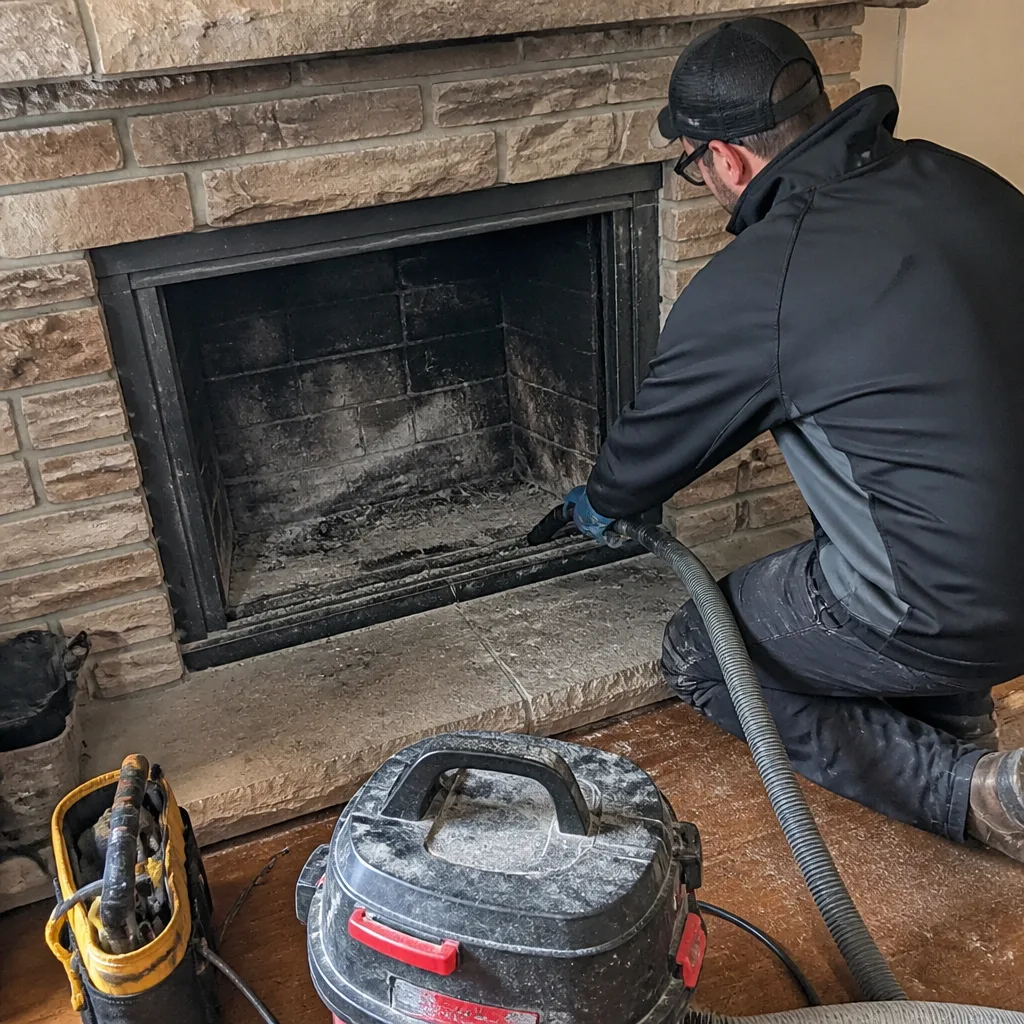 Before
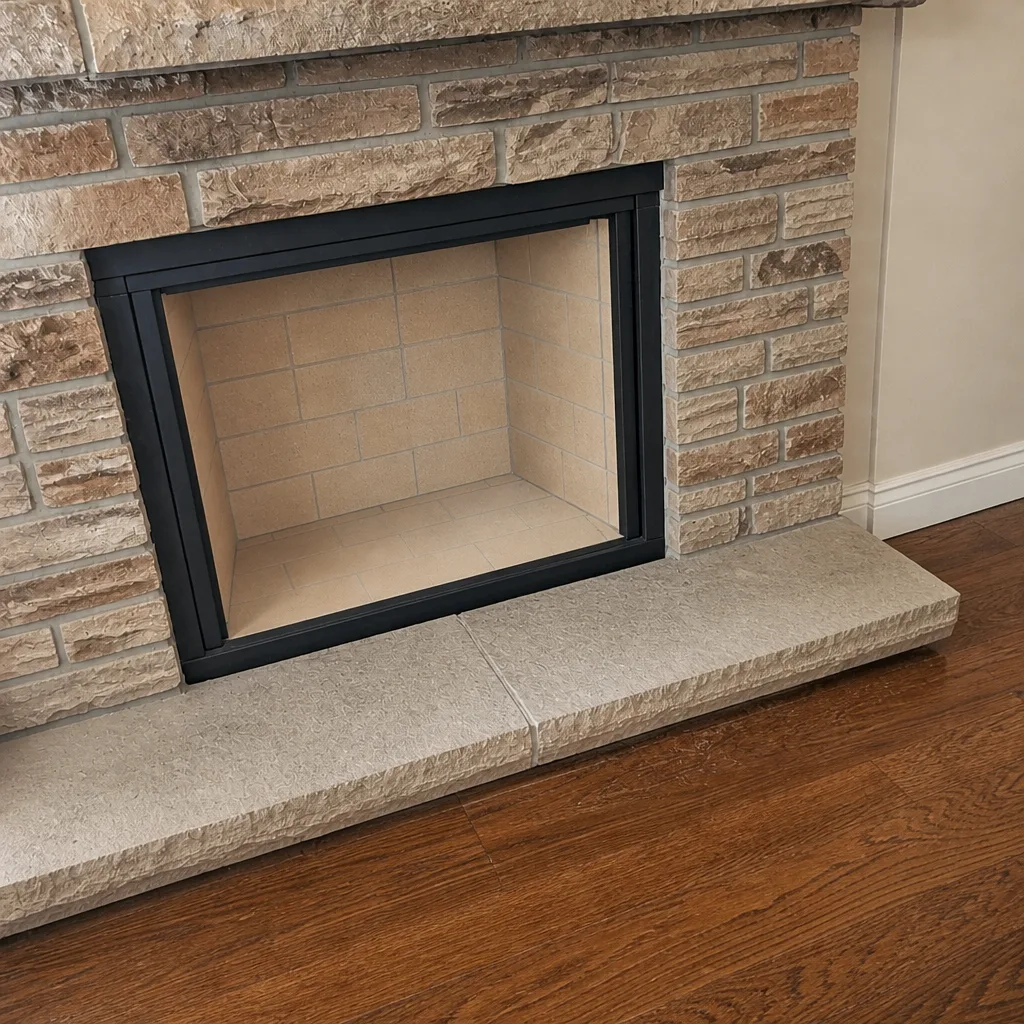 After
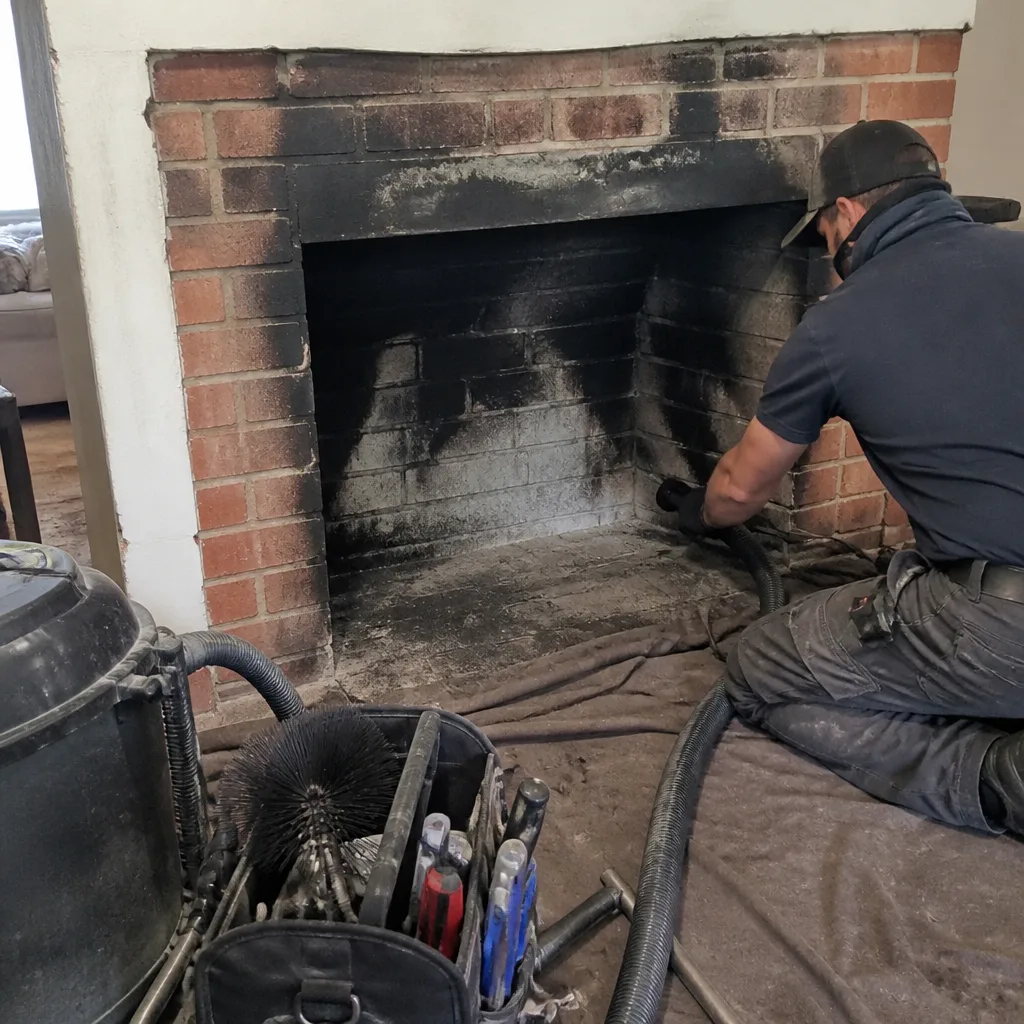 Before
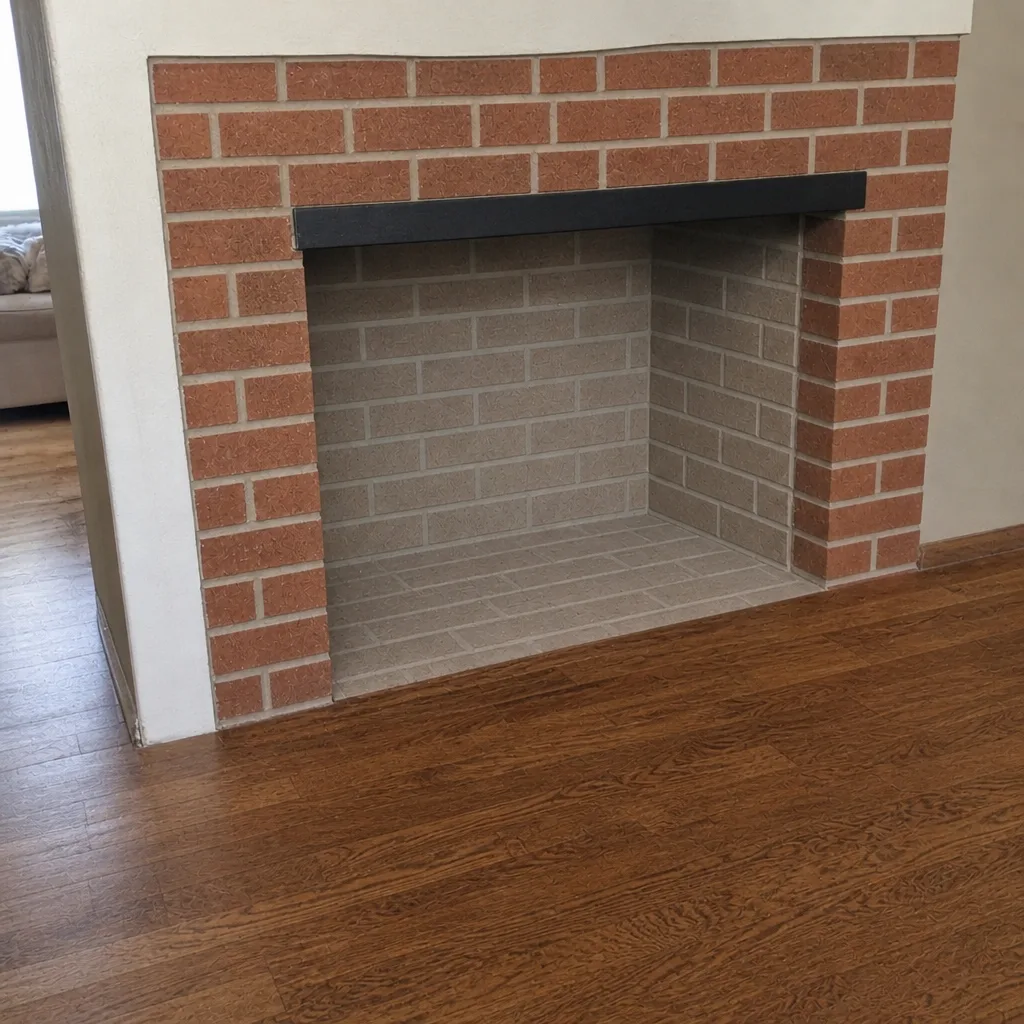 After
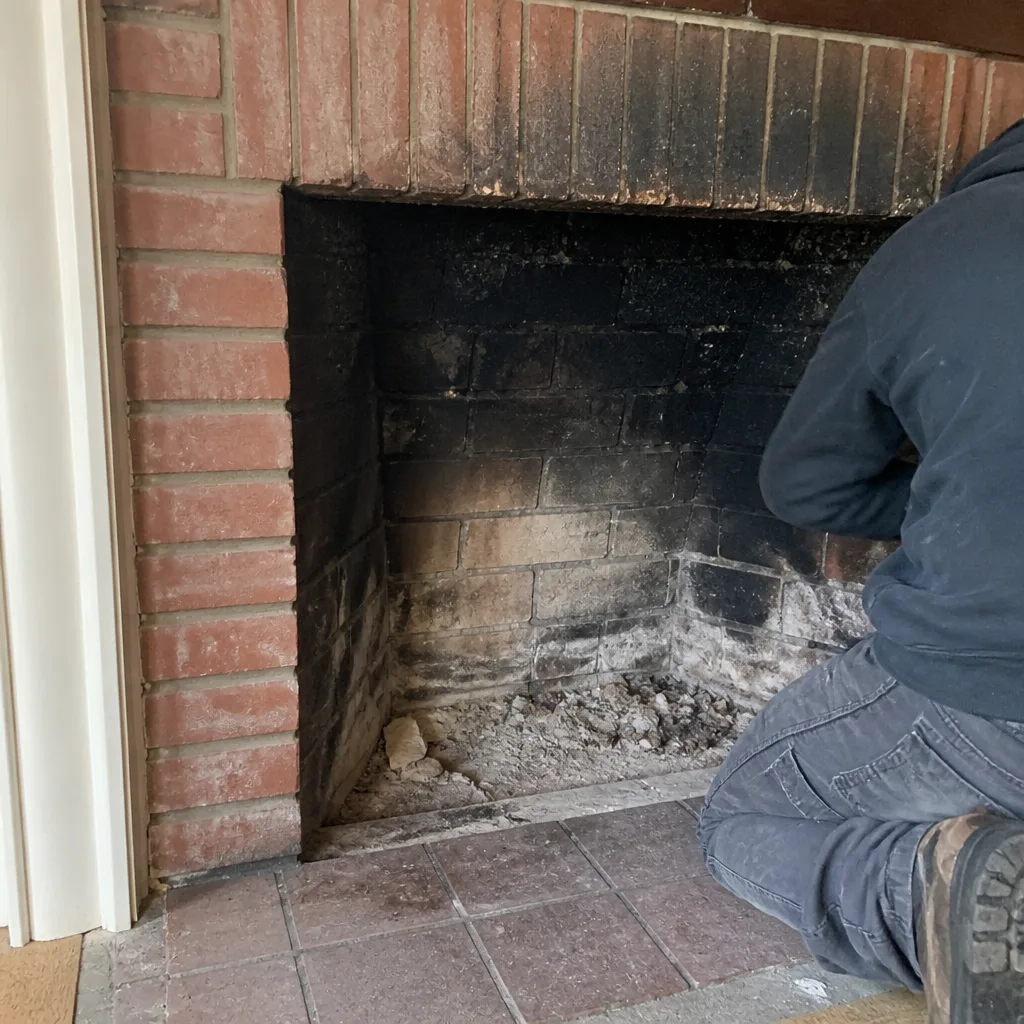 Before
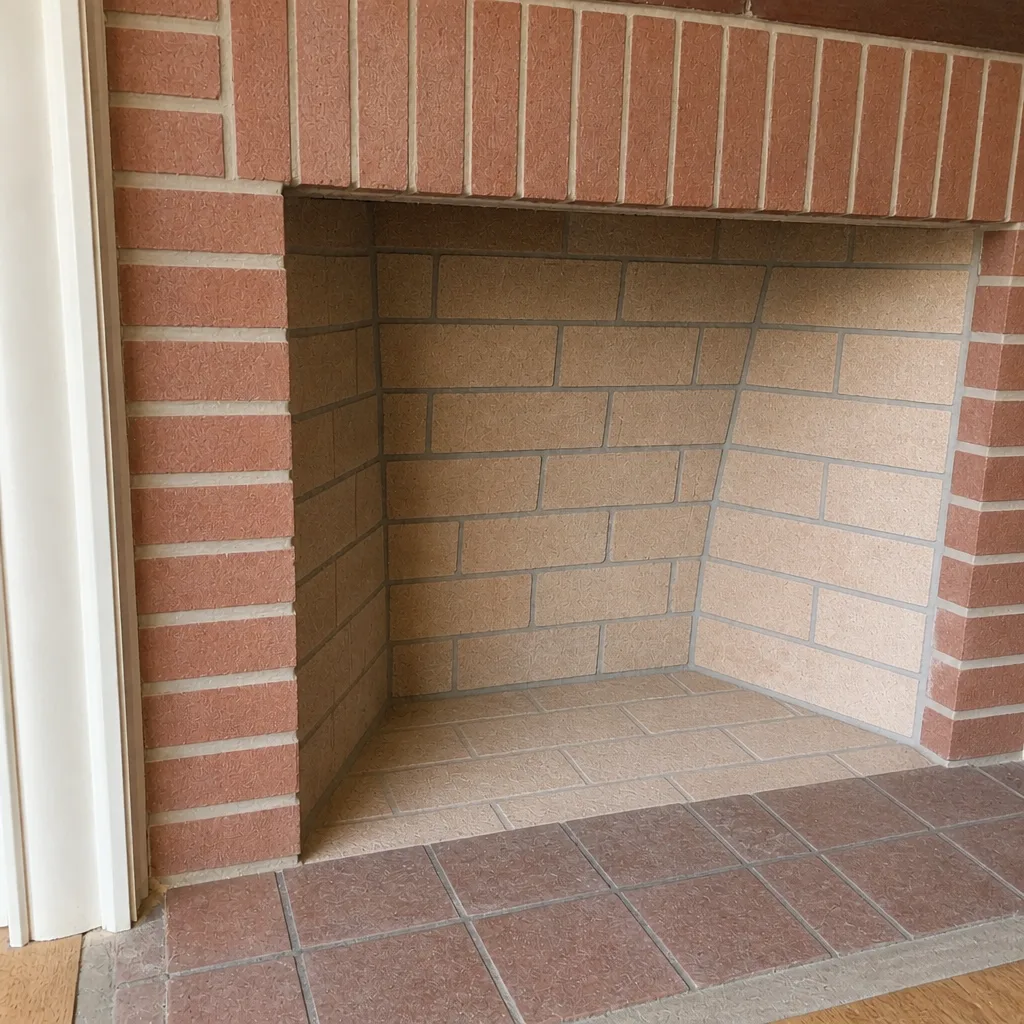 After