
Last updated November 24, 2026
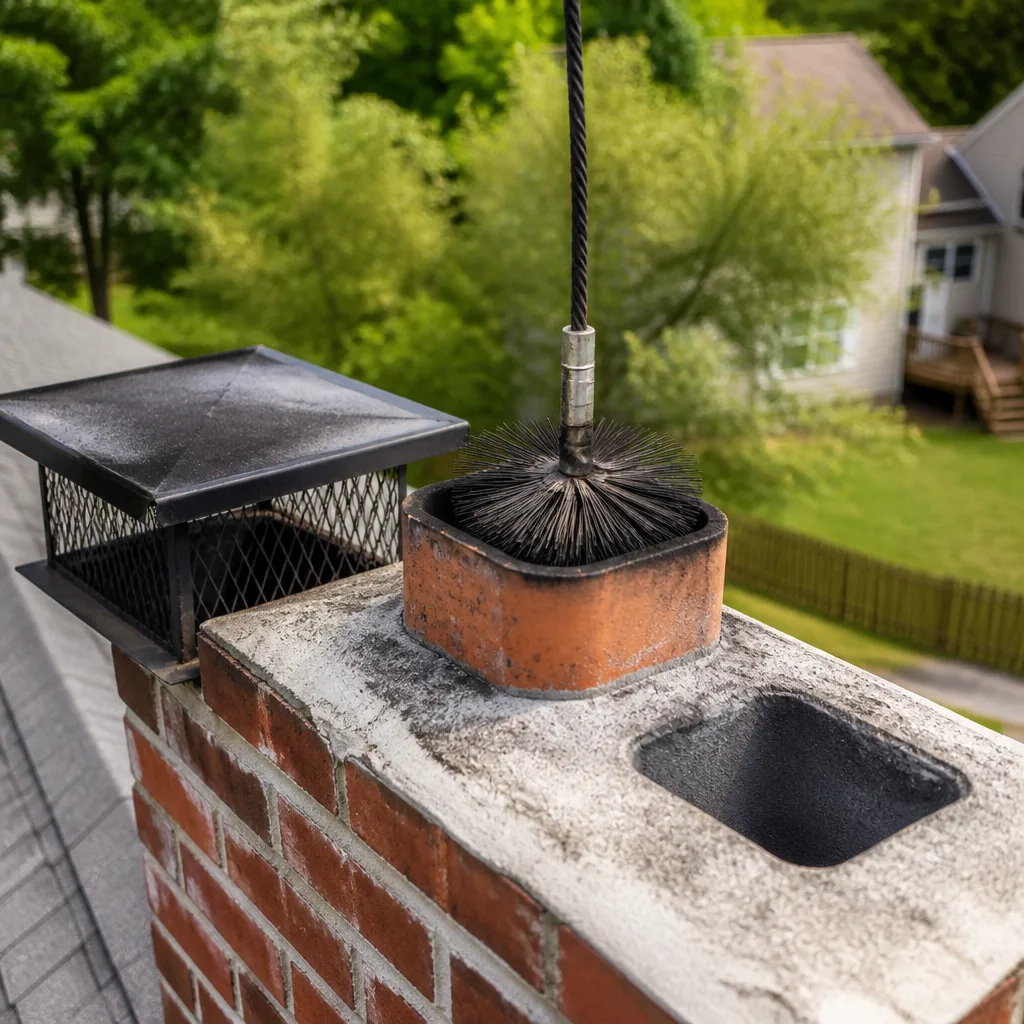 Sweep & inspection
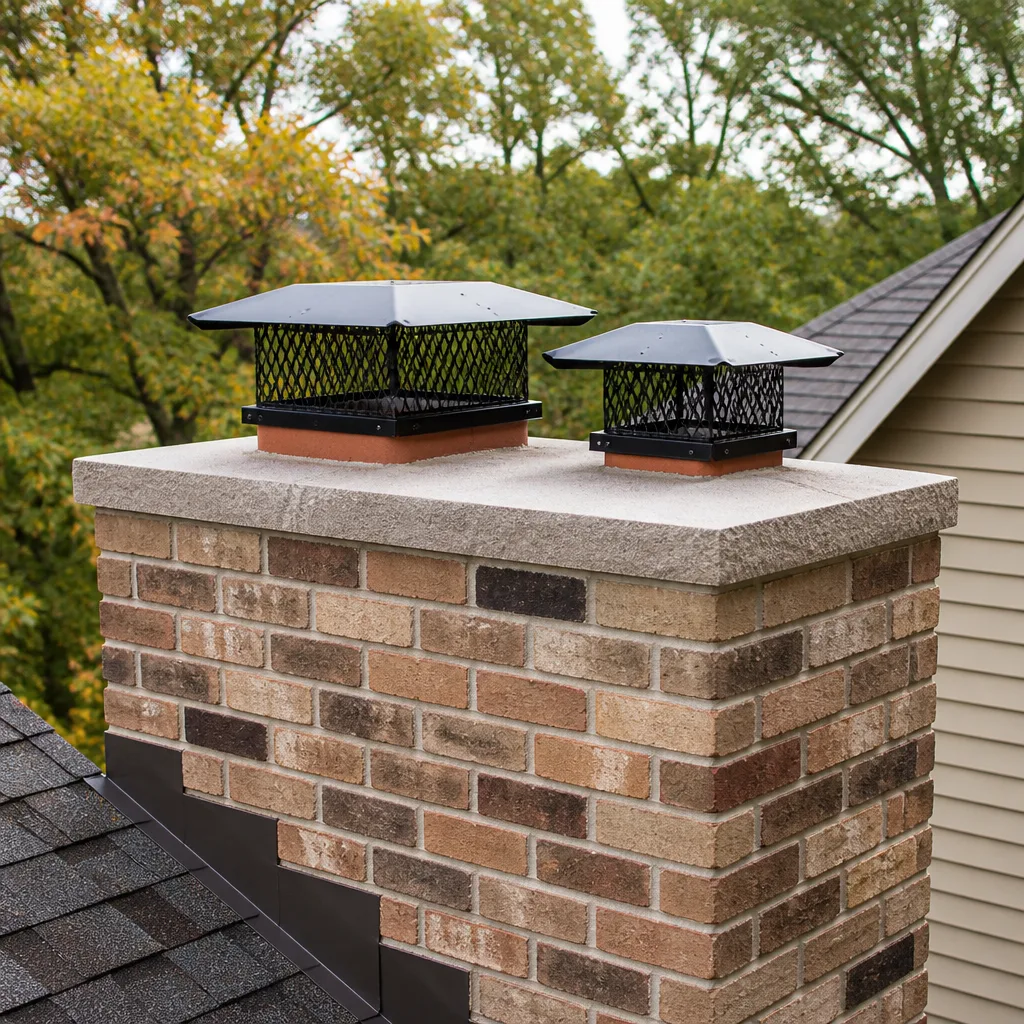 Caps & crowns
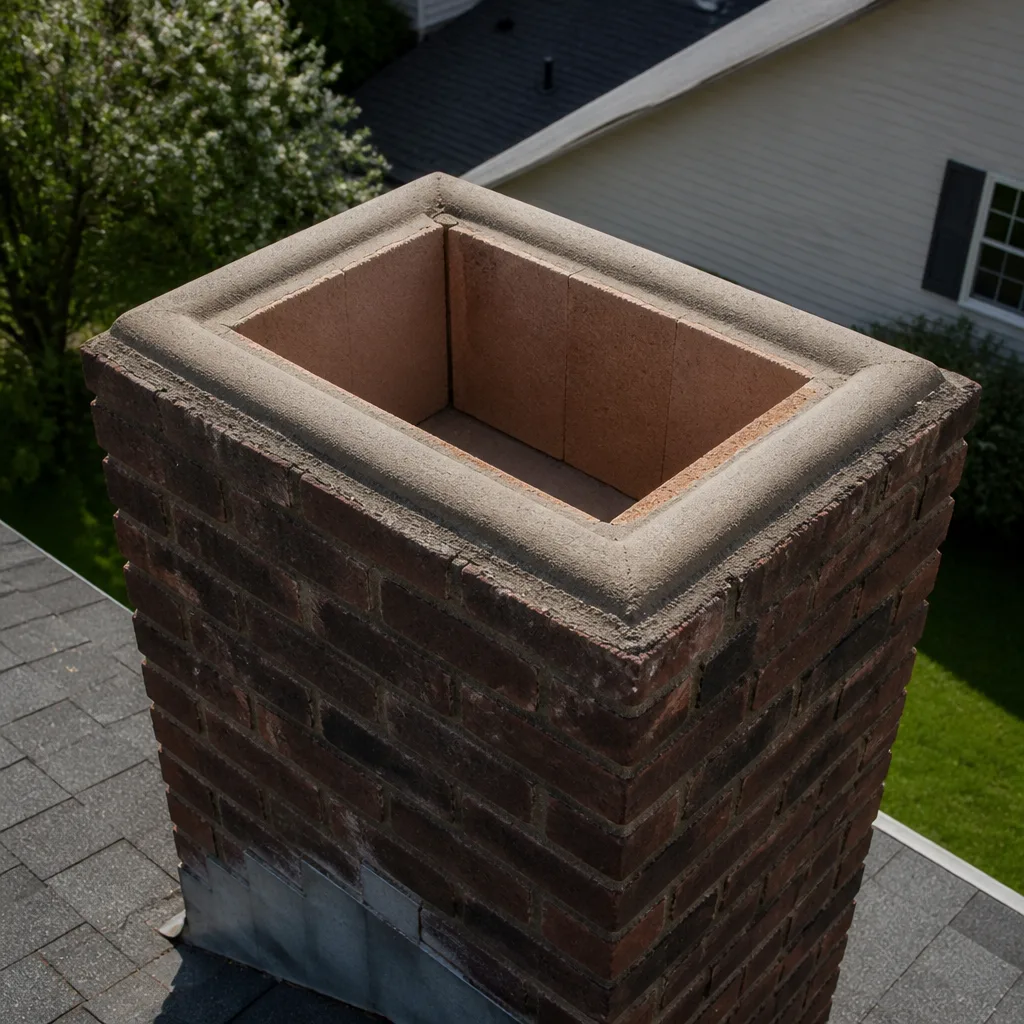 Flue relining
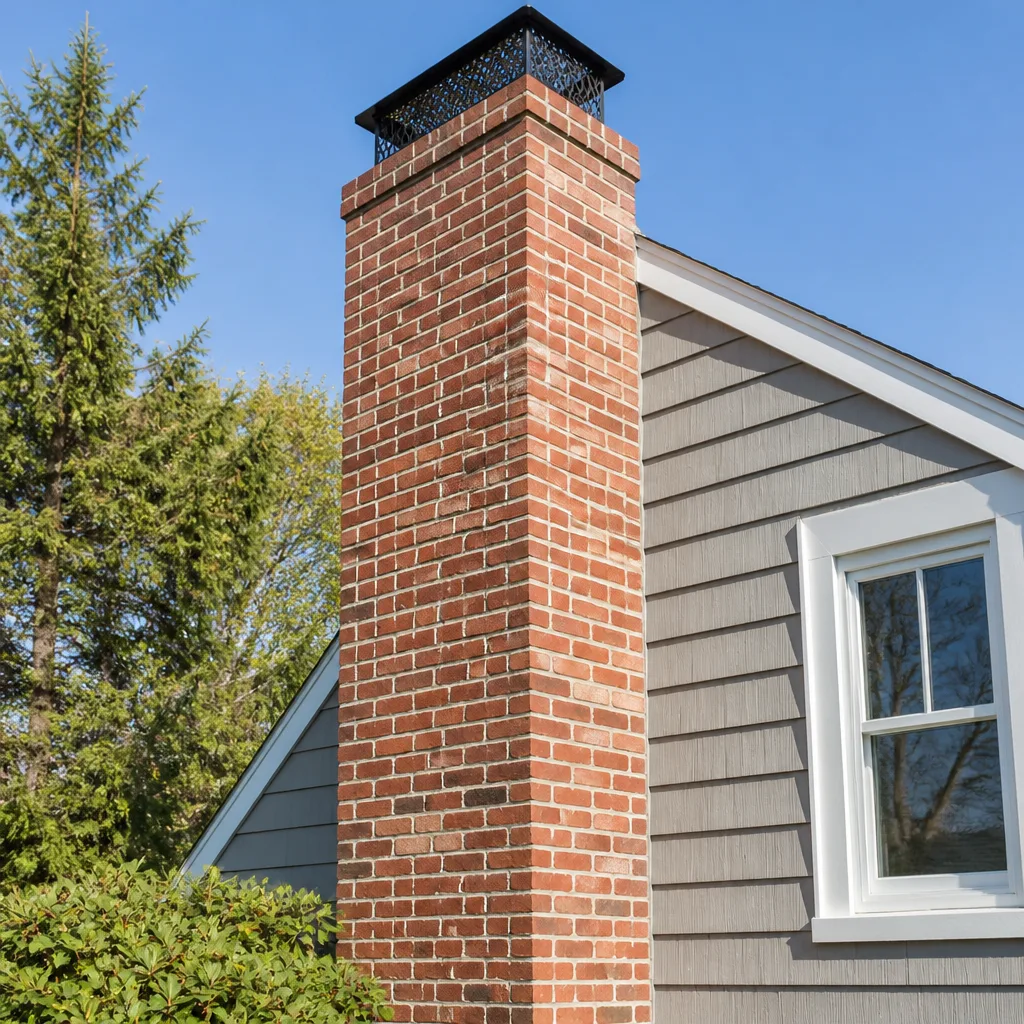 Masonry repair
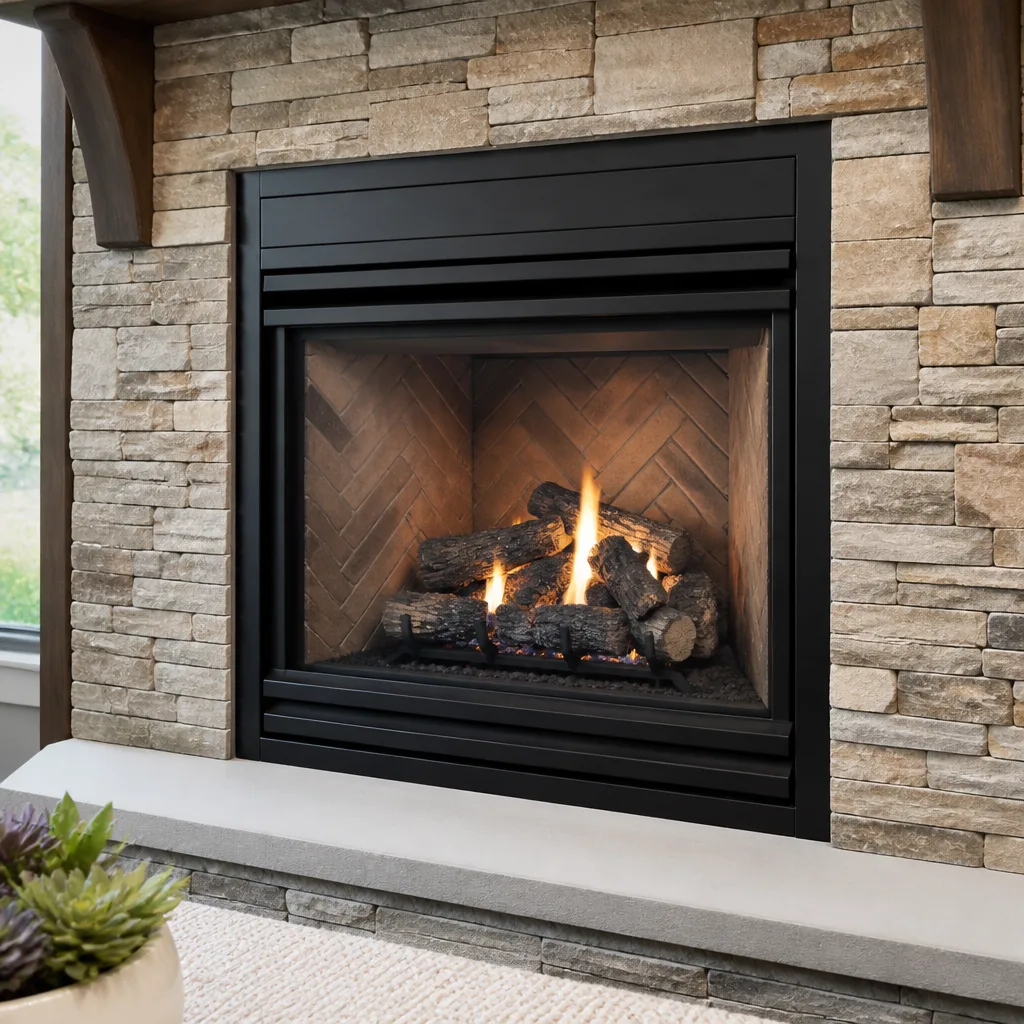 Gas fireplace service
Level 1 sweep and inspection to the NFPA 211 annual standard - flue, crown, cap, and flashing checked and photographed
Chimney sweep logs do not sweep chimneys. They loosen some creosote - which then falls where a brush and vacuum still have to collect it.
Chimney Cleaning Permits, Codes & Inspections in Lafayette, CO: What You Need to Know
A chimney cleaning doesn’t need a permit. A chimney cleaning that reveals a cracked liner, and leads to a relining job, absolutely might. That’s the distinction most homeowners in Lafayette don’t discover until after the work is finished, when an inspector or a buyer’s agent starts asking for documentation that doesn’t exist. The line between maintenance and alteration is where permits, insurance, and resale value all converge, and it’s quieter than you’d expect. In this guide, we’ll walk through how Colorado code treats chimney work, what triggers a permit in Boulder County, what a Level 2 inspection actually produces, and why the contractor who pulls permits is signaling something important about the work itself. If you own a wood-burning fireplace in Lafayette, this is the paperwork side of chimney ownership that nobody hands you at closing.
Quick Answer
In Lafayette, CO, routine chimney sweeping is maintenance and generally does not require a permit. Repair or replacement of a chimney system, flue liner, or structural component is an alteration and may require a permit from the City of Lafayette or Boulder County depending on scope and whether the work touches the structure. Any repair work should follow NFPA 211 and IRC Chapter 10 standards, and a Level 2 inspection is the documentation that ties the two together for insurance and resale.
Styles & brands we work with
- Sweep & inspection
- Caps & crowns
- Flue relining
- Masonry repair
- Gas fireplace service
Table of Contents
- Maintenance vs. Alteration: Where the Permit Line Falls
- How NFPA 211 and IRC Chapter 10 Work Together
- Boulder County and Lafayette Permit Realities
- What a Level 2 Inspection Produces (and Why It Matters)
- What Happens When Unpermitted Chimney Work Surfaces at Sale
- Why a Contractor Who Pulls Permits Signals Better Work
- Timing Your Inspection Around Lafayette’s Burning Season
Maintenance vs. Alteration: Where the Permit Line Falls
Colorado doesn’t have a single statewide chimney permit. What it has is a building code framework, adopted and amended locally, that treats chimney work under the same broad categories as any other part of a house: maintenance, repair, and alteration. Maintenance keeps a system in its current condition. Alteration changes what the system is. Permits attach to the second category, and the boundaries aren’t always obvious from the outside of the chimney.
Here’s the practical breakdown for Lafayette homeowners:
- Routine sweeping. Removing creosote, soot, and debris from the flue. Maintenance. No permit.
- Level 1 or Level 2 inspection. A visual and, in the case of Level 2, camera-assisted evaluation of the system. No permit; it’s diagnostic.
- Cap and crown replacement. A new cap or crown on the existing chimney top is usually treated as repair, though a crown rebuild that involves structural masonry may cross into alteration depending on scope.
- Firebox and damper repair. Rebuilding firebox brick or replacing a damper assembly is typically repair. Substantial firebox reconstruction can trigger a permit.
- Flue liner replacement or resurfacing. This is where it gets interesting. A full relining is an alteration of the venting system and often requires a permit. HeatShield resurfacing, which restores the existing liner rather than replacing it, sometimes falls on a different side of the line depending on scope and the local authority’s interpretation.
- Chimney chase or structural changes. Any work that touches framing, roof penetration, or the chimney’s structural footprint is alteration. Permit required.
The honest answer is that “does my specific job need a permit” is a question the City of Lafayette’s building department answers, not a blog post. What we can tell you is that a chimney professional who does this work regularly in Lafayette knows the difference without having to ask, and a professional who never mentions permits at all is telling you something about how they operate. If you’re scheduling a chimney sweep, the sweep itself is maintenance. What the sweep finds may not be.
How NFPA 211 and IRC Chapter 10 Work Together
Two documents govern chimney work in the United States, and Lafayette follows both: NFPA 211, the Standard for Chimneys, Fireplaces, Vents, and Solid Fuel-Burning Appliances, and Chapter 10 of the International Residential Code, which is adopted into Colorado’s building code framework and amended by local jurisdictions. The IRC is the legal standard that a permit inspector enforces. NFPA 211 is the technical standard that tells you how the system is supposed to perform. When they’re applied together, they give you a defensible repair.
Here’s how they interact on a real job:
- The IRC sets the legal baseline. Chapter 10 specifies clearances to combustibles, flue sizing, chimney height above the roof, and material requirements. A permit inspection checks against these.
- NFPA 211 sets the performance standard. It defines inspection levels (Level 1, 2, and 3), lays out the criteria for evaluating a flue liner’s condition, and specifies when a liner must be repaired or replaced.
- The inspection connects them. A Level 2 inspection evaluates the system against NFPA 211 criteria. The findings then tell you whether the repair needed will require an IRC-compliant permit.
- Documentation closes the loop. When a permit is pulled for liner work, the permit inspection checks the finished liner against IRC Chapter 10 clearances and sizing. The Level 2 inspection report and the permit record together become your proof the work was done to standard.
This is why an inspection that produces documentation is not the same as a quick look down the flue. A sweep who can tell you the liner has “some cracking” is giving you an observation. A Level 2 report tells you the scope, the location, and whether the system meets NFPA 211 criteria for continued use. That’s the difference between a phone call and a record.
Boulder County and Lafayette Permit Realities
Lafayette is a Boulder County city with its own building department, and the permit question usually starts there. The city handles building permits for work inside city limits; unincorporated Boulder County handles work outside the city boundary. Most of Lafayette’s residential housing stock, whether it’s the older homes near Old Town or the newer builds out toward the eastern edge, sits inside city limits, so the City of Lafayette is the first call. The building department will tell you, over the phone, whether the scope you’re describing needs a permit.
What that conversation looks like depends on how the work is described. A homeowner calling to say “I need my chimney relined” is describing alteration. A homeowner calling to say “I need a chimney sweep” is describing maintenance. Same chimney, different answer. When a contractor calls on your behalf, the description is already accurate, because they’ve done the assessment that lets them describe the scope properly.
Two things we see Lafayette homeowners misunderstand about local permitting:
- Permits aren’t just about the structural work. A liner replacement that changes the flue’s material, diameter, or venting path can require a permit even though it doesn’t touch framing, because it changes the system the IRC governs.
- The permit record is public. When a permited job closes, the inspection is on file with the city. That record becomes part of the property’s history, and it will surface if the house is sold or refinanced.
If you’re in Lafayette and you’re not sure whether your chimney repair crosses into permit territory, the safest path is to have the system inspected first and the scope defined second. Our team handles both: an inspection produced by the same company that would carry out the repair means there’s no gap where someone else has to interpret the findings. You can read more about how we approach the repair side on our chimney repair page.
What a Level 2 Inspection Produces (and Why It Matters)
A Level 2 inspection is defined by NFPA 211, and it’s the level required whenever a property changes hands, when a chimney has been through a structural event, or when a change to the system is being planned. It’s more than a visual check from the firebox. It involves a camera run through the flue, a look at accessible portions of the chimney exterior and interior, and a written report documenting what was found.
Here’s what a completed Level 2 inspection typically includes:
- Camera footage of the interior flue. This is the piece homeowners can watch themselves. The footage shows the liner’s condition, the flue’s joints, and any obstruction.
- An exterior and accessible-interior evaluation. The chimney’s exterior, visible portions of the chase, the firebox, the damper, and the cap and crown.
- Clearance check. Verification of the clearances to combustibles, which is where a code enforcement problem usually starts.
- A written report including photographic documentation. This is the piece that matters for insurance and resale.
- Recommendations classified by urgency. Items that need to be addressed now versus items that can be monitored.
Why does the documentation matter? Two reasons, and both are quiet ones. First, insurance. If a chimney fire or carbon monoxide event ever triggers a claim, the insurer will want to see whether the system was being maintained and whether conditions were documented. A Level 2 report from before the event is evidence the system was being cared for. Second, resale. When a home inspector flags the chimney in Lafayette, the buyer’s agent will ask for documentation of condition. A report that shows the chimney’s condition at a known point in time and lists any repairs completed is a very different thing from an empty file.
Our technicians have up to 10 years of experience conducting Level 2 inspections in and around Lafayette, and the camera evidence comes back to you. Nothing gets recommended that you can’t see for yourself, and there’s no pressure to act on something you can verify is fine.
What Happens When Unpermitted Chimney Work Surfaces at Sale
In Lafayette’s real estate market, unpermitted chimney work tends to surface at exactly the wrong moment: during the buyer’s inspection, just before closing. A home inspector who notes recently relined flues, a replaced crown, or masonry repairs on a chimney will often ask for the permit or the documentation. If neither exists, the conversation changes from “what’s the timeline” to “what’s the exposure.”
What that looks like in practice:
- The buyer asks for proof of permit or documentation of condition. The seller has neither. The buyer’s inspector now assumes the worst about the quality of the work, whether or not that assumption is correct.
- A re-inspection is ordered. This is the buyer’s right, and it costs the seller time and money on a compressed timeline.
- The cost of rework comes out of the negotiation. Whether the work actually needs to be redone or simply permits retroactively, the seller usually absorbs the cost to keep the deal moving.
- The closing timeline shifts. A permit can be pulled after the fact in many cases, but it takes time, and time is exactly what a closing doesn’t have.
The damage isn’t only financial. Unpermitted work on a chimney is one of the things a buyer’s agent remembers about a property, and the disclosure obligation around it becomes part of the listing. That’s a much more expensive situation than the permit would have been when the work was originally done.
Why a Contractor Who Pulls Permits Signals Better Work
A permit costs money and time. A contractor who pulls one anyway is doing something a contractor who skips it isn’t: putting the finished work in front of a city inspector who will check it against IRC Chapter 10. That inspection is an independent verification of the work you paid for.
The signals to watch for when choosing who works on your chimney in Lafayette:
- Does the contractor ask about the scope before quoting a price? If the answer is “we’ll figure it out on the day,” the contractor can’t know whether a permit is needed.
- Do they describe the difference between maintenance and alteration? A professional knows the line, because they’ve pulled permits on the right side of it.
- Do they use line-item estimates and professional-grade materials? Brands like DuraFlex liner systems and HeatShield resurfacing are specified by name because the product matters to the permit inspection and the system’s long-term performance. Anonymous materials from a big-box shelf can pass a visual check and still fail the code requirement.
- Do they produce documentation? A written inspection report with photos, and a permit record when one was required, is what a professional leaves behind.
- Does the inspector also do the repair? When the same team inspects and repairs, there’s no conflict where the inspector recommends work the repair contractor profits from. That’s a structural difference in accountability.
We handle the full chimney system, from the firebox to the crown, and pull permits when the scope requires them. That’s not bureaucracy. It’s the paper trail that protects you when the house is sold or the insurer asks questions.
Timing Your Inspection Around Lafayette’s Burning Season
Lafayette sits along the Front Range at the edge of the foothills, and the local climate shapes when chimney work actually happens here. Burning season runs roughly from October through March, when nightly temperatures dip and the fireplace gets real use. That produces creosote accumulation through the winter and leaves the spring and early fall as the natural window for inspection and any repairs that need to be done before next fall.
The seasonal rhythm we see in Lafayette goes like this:
- Early fall (September): Pre-season inspection and sweep, so the system’s condition is known before the first fire. This is the ideal timing for a Level 2 if the home has changed hands in the prior year.
- Winter: Continued use. Any soot smell, draft problem, or fire that doesn’t draw well should be evaluated, not pushed through.
- Spring (April to May): Post-season sweep and inspection. This is when the winter’s creosote deposits get removed and any needed repair gets identified with plenty of time to schedule it.
- Summer: Peak season for repairs, resurfacing, and cap and crown work, because the schedule has room and the weather cooperates for masonry.
Two seasonal notes specific to Lafayette. The Front Range’s freeze-thaw cycle works on masonry through the winter, so a crown that was sound in October may be cracked by April, which is why a spring look at the chimney top matters. And summer thunderstorms are the reason a missing or damaged cap turns into water intrusion during a season homeowners aren’t thinking about the chimney at all. That’s the case for cap and crown work as a preventive measure, not a repair after the damage is already in the wall.
If you’re scheduling around the season, call us and we’ll find a slot. Call (844) 272-3731. We answer 24/7. Fast dispatch from 7am to 7pm, Sunday through Friday, closed Saturday.
Common Mistakes to Avoid
- Assuming a sweep and a relining are the same kind of job. One is maintenance and needs no permit; the other is alteration and often does. The permit question follows the scope, not the company.
- Skipping the inspection to save time. A Level 2 inspection is what produces the documentation you’ll want at resale and at claim time. It’s the cheapest part of owning a chimney, and the one with the longest reach.
- Hiring the same contractor the inspector recommended without checking who they are. In Lafayette, if a home inspector flags the chimney and hands you a phone number, that number is worth verifying before you call it.
- Letting a coupon determine who works on a fire-safety system. A flue liner is a safety device, not a commodity. The professional-grade material and the permit record are what you’re paying for.
- Waiting until the first cold snap to schedule. Late September and early October in Lafayette are when the calendar fills. A spring inspection takes pressure off the fall.
- Assuming a cap that “looks fine” is doing its job. A cap that’s missing fasteners or a crown that has a hairline crack lets water in through the freeze-thaw cycle. The damage shows up in the ceiling, not at the chimney top.
- Never asking for the report. A sweep who doesn’t leave documentation behind hasn’t given you anything you can use later. Ask for the report and the permit record if a permit was pulled.
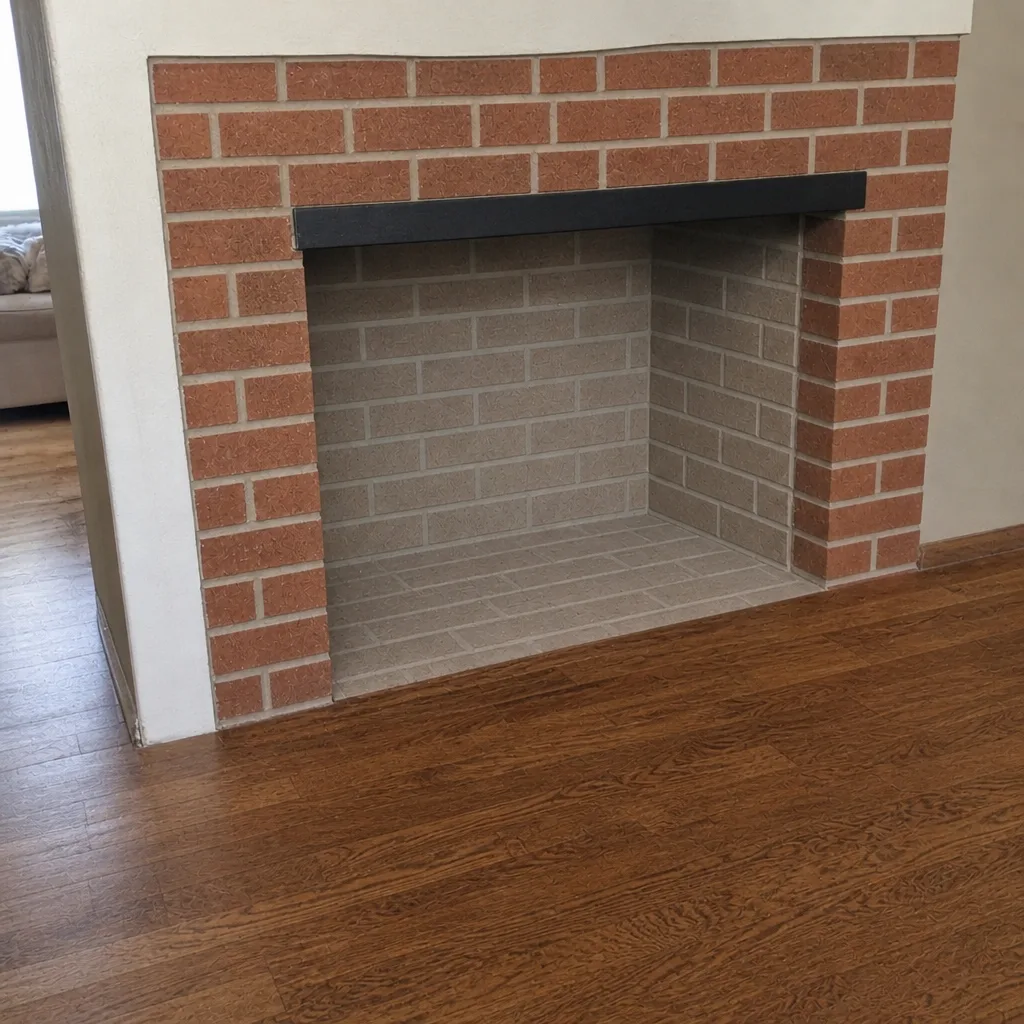
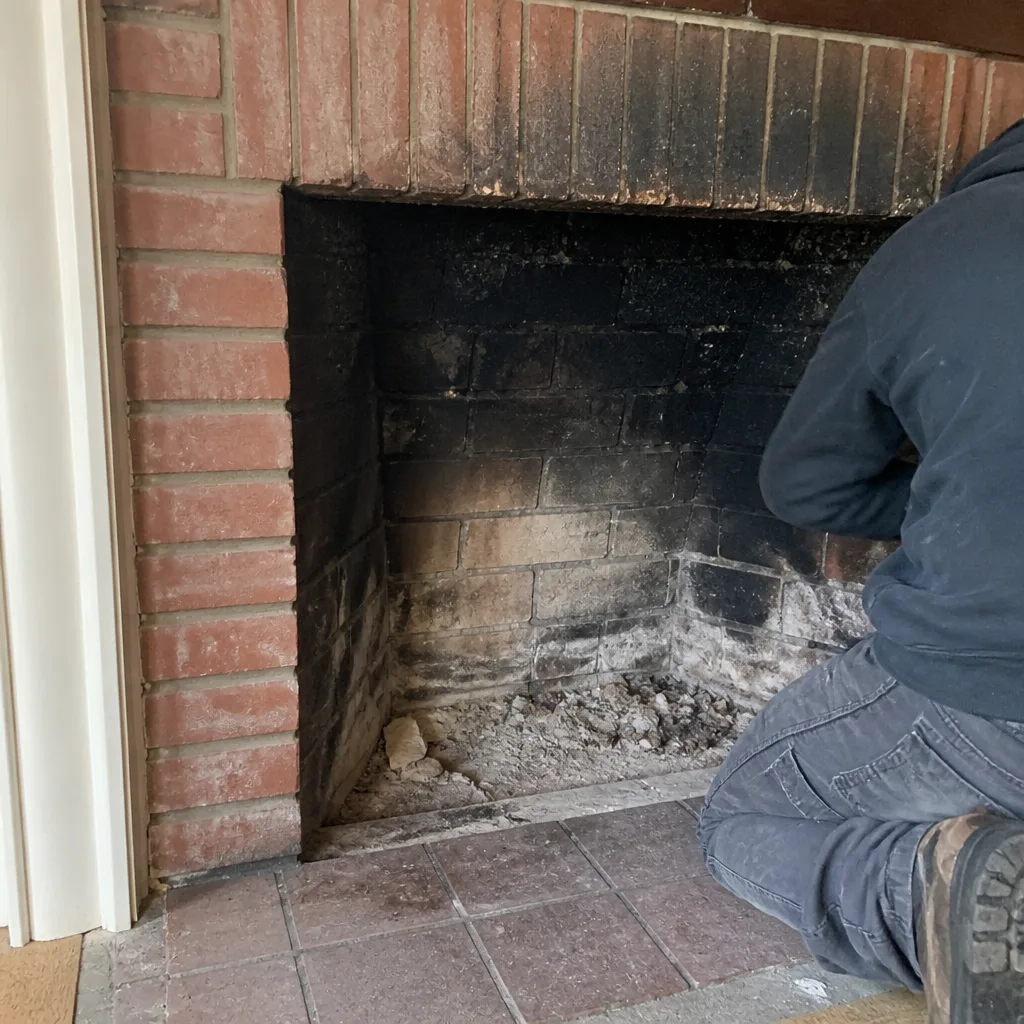
See the difference
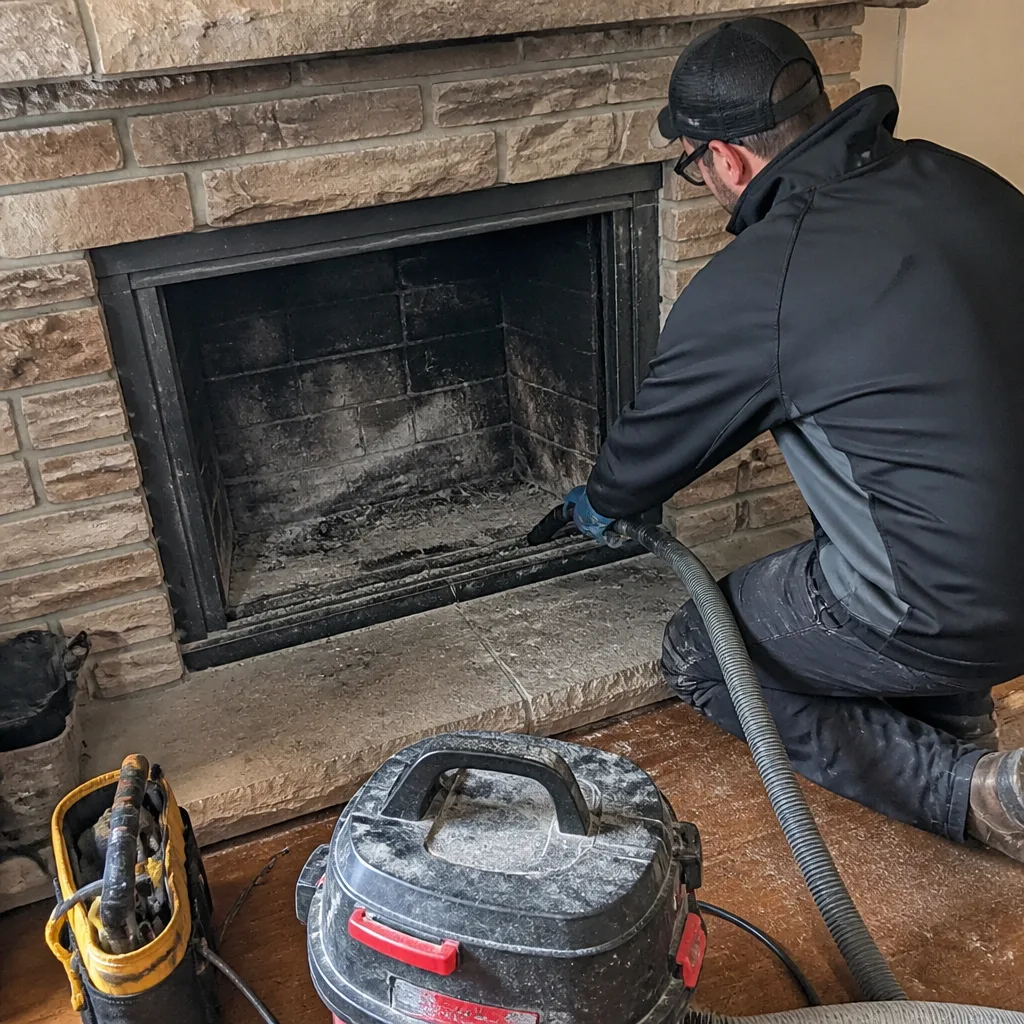 Before
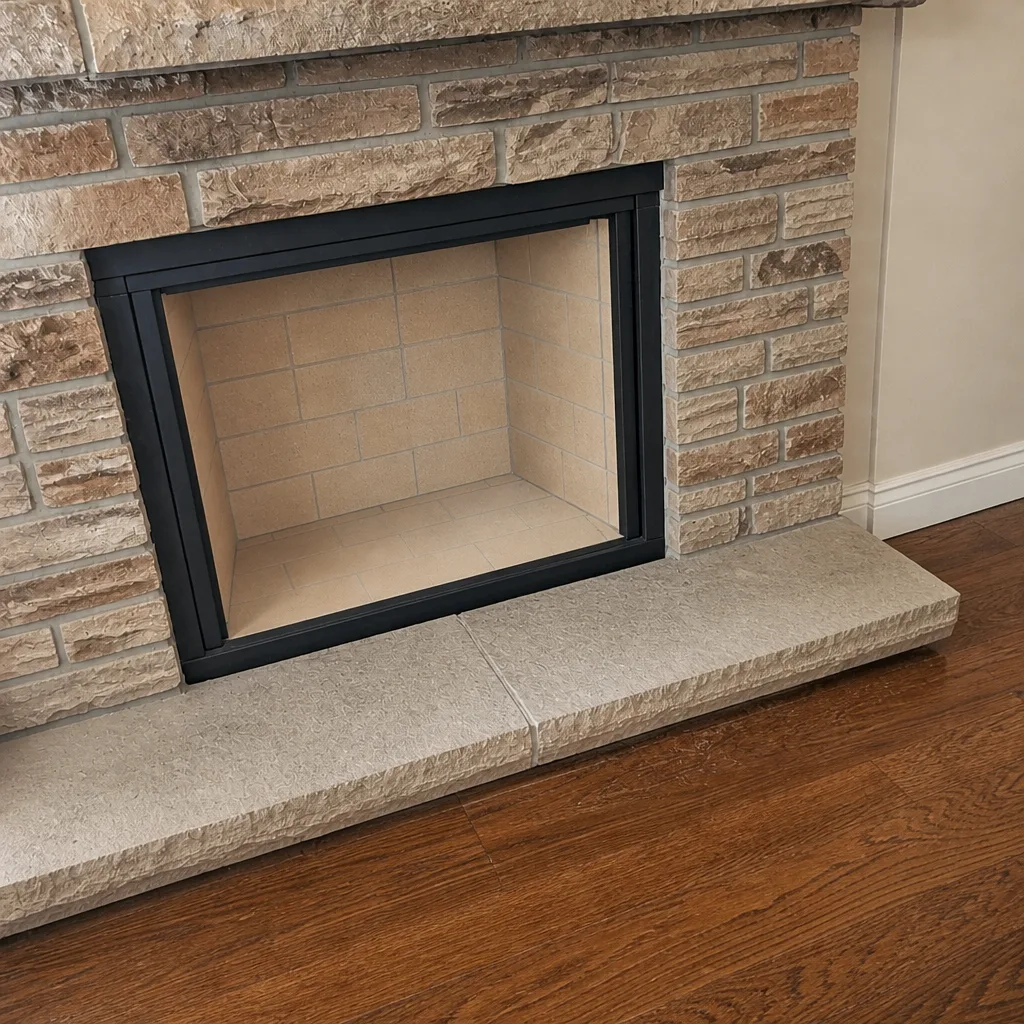 After
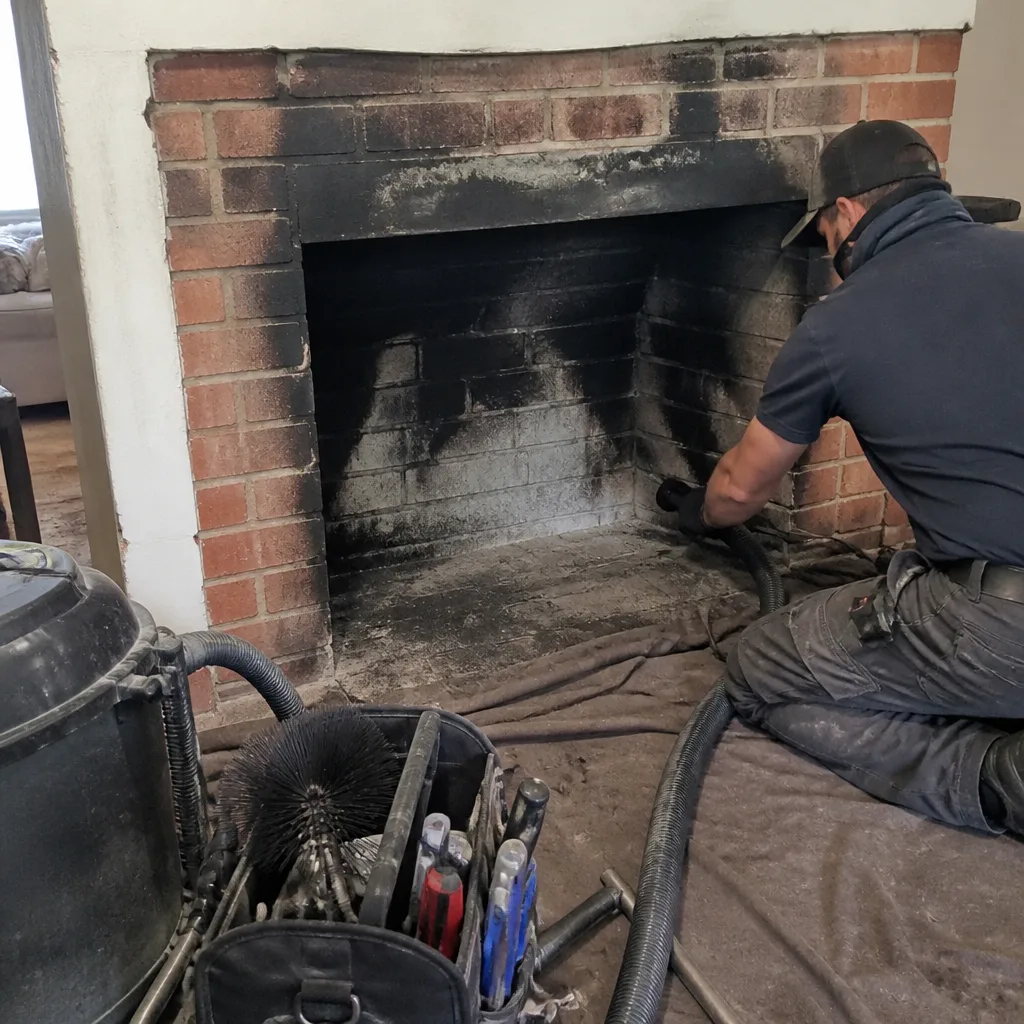 Before
 After
 Before
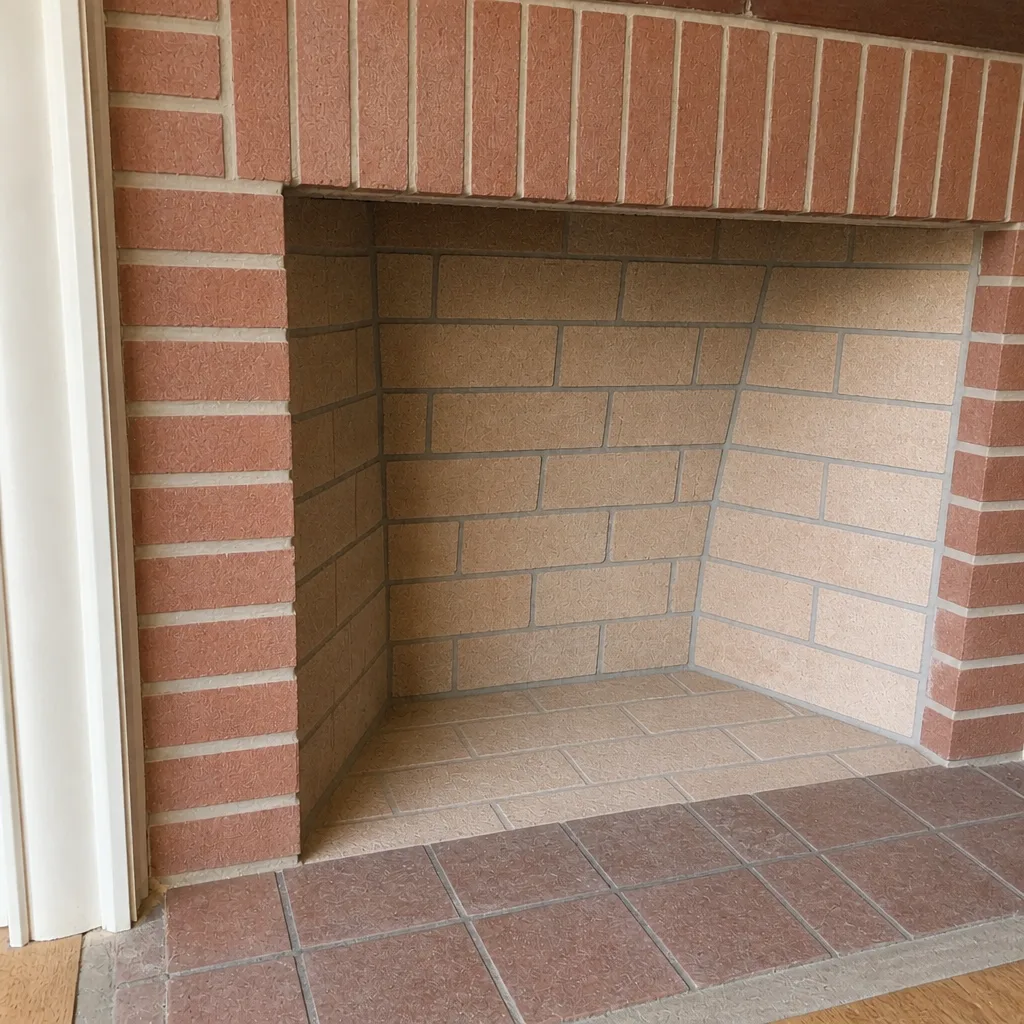 After
When to Call a Professional
Some chimney situations are clearly a professional’s job, not a homeowner’s. Creosote build-up that’s more than a light film, any visible cracking in the flue liner, a damper that no longer seats, a smell of smoke in the room when the fire is burning, a chimney cap that’s loose or gone, or a crown that has cracked through: these are the conditions that call for an inspection and, if a repair is needed, a permit decision. In Lafayette, we recommend a Level 2 inspection any time a home has changed hands in the past year, when planning any repair work, and whenever a chimney has been through a chimney fire or a structural event. The safety concern is real, not theoretical: a cracked liner is a carbon monoxide pathway, and creosote in the flue is the fuel for a chimney fire. Neither is a DIY fix. If you’re wondering whether your chimney needs an inspection, it probably does.
Our team at Lafayette Chimney Sweep handles inspections, sweeping, and repair as one specialist group, and we can walk you through whether your scope needs a permit before any work begins. Call (844) 272-3731 for a free estimate.
Frequently Asked Questions
No. Routine chimney sweeping is maintenance and doesn’t require a permit in Lafayette or Boulder County. What may require a permit is any repair or alteration the sweep identifies, such as a liner replacement, structural masonry work, or work that changes the venting system. If your sweep recommends anything beyond cleaning, ask whether the scope needs a permit before you agree to the work. Call (844) 272-3731 for an exact quote. Estimates are free.
In most cases, yes. Relining a flue is an alteration of the venting system, which puts it under IRC Chapter 10 and generally requires a permit from the City of Lafayette or Boulder County. The exact requirement depends on the scope, so have the system evaluated by a Level 2 inspection first and ask the building department to confirm. HeatShield resurfacing sometimes falls on a different side of the line than a full reline, depending on the scope. Call (844) 272-3731 for an exact quote. Estimates are free.
A Level 1 inspection is a visual check of the readily accessible portions of the chimney, typically done during a routine sweep. A Level 2 inspection adds a camera run through the flue and produces a written report with photographic documentation; it’s the level NFPA 211 requires whenever a property changes hands or a change to the system is planned. A Level 2 is what you want if you need documentation for insurance or resale. Call (844) 272-3731 for an exact quote. Estimates are free.
The buyer’s inspector will typically ask for the permit or documentation, and absent that, will assume the worst about the work regardless of its actual quality. The seller then faces a re-inspection, a renegotiation, and a closing timeline that has shifted. Pulling a permit retroactively is possible in many cases but it takes time. The permit is cheaper and faster when it’s pulled before the work is done. Call (844) 272-3731 for an exact quote. Estimates are free.
Annually, and that’s the NFPA 211 recommendation. In Lafayette’s burning season, most homes with regular fireplace use accumulate enough creosote by spring to warrant a sweep. A Level 2 inspection should happen at least once, at the time of a home purchase, and any time a repair is planned or a chimney has been through a chimney fire. Call (844) 272-3731 for a free estimate.
It can. Insurers look at whether the system was being maintained and whether conditions were documented. Unpermitted work makes the maintenance question harder to answer; a Level 2 inspection report and a permit record make it straightforward. If a claim is ever filed, the policyholder who can produce both is in a much stronger position. Call (844) 272-3731 for an exact quote. Estimates are free.
The Bottom Line
Routine chimney cleaning in Lafayette is maintenance and generally needs no permit. Chimney repair, liner replacement, and any work that changes the system’s structure or venting is alteration, and that’s where Boulder County’s permit requirements meet NFPA 211 and IRC Chapter 10. The connecting thread between maintenance and alteration is a Level 2 inspection, which produces the documentation that matters most at insurance and resale. Use it before anything goes wrong, and use a contractor who pulls permits when the scope requires them. At Lafayette Chimney Sweep, we inspect, we repair, and we document what we find. Your entire chimney system, handled by one specialist team.
If you’re ready to know the condition of your chimney, call (844) 272-3731. We answer 24/7. Fast dispatch from 7am to 7pm, Sunday through Friday. Estimates are free, and the report is yours to keep. You can also read more about Lafayette Chimney Sweep and our fireplace repair work.
Written by the team at Lafayette Chimney Sweep.