
Last updated November 24, 2026
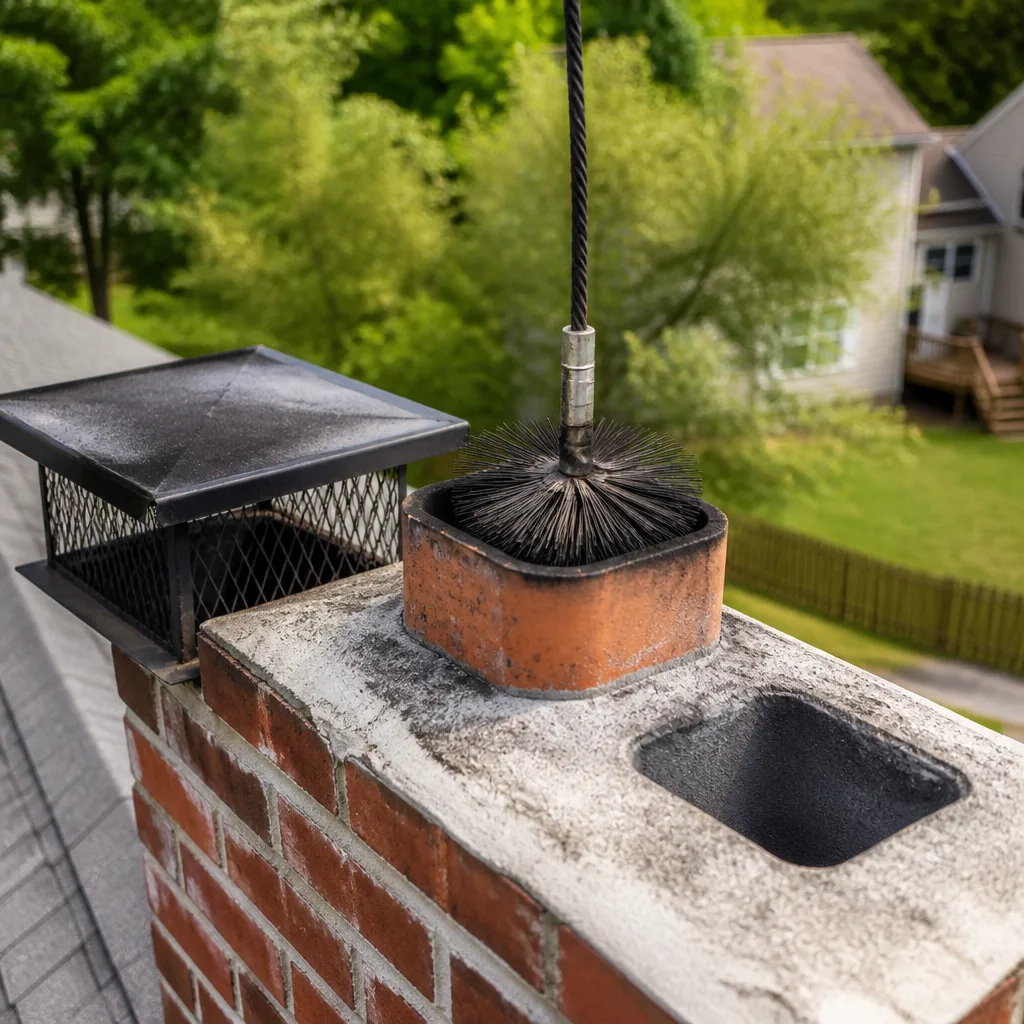 Sweep & inspection
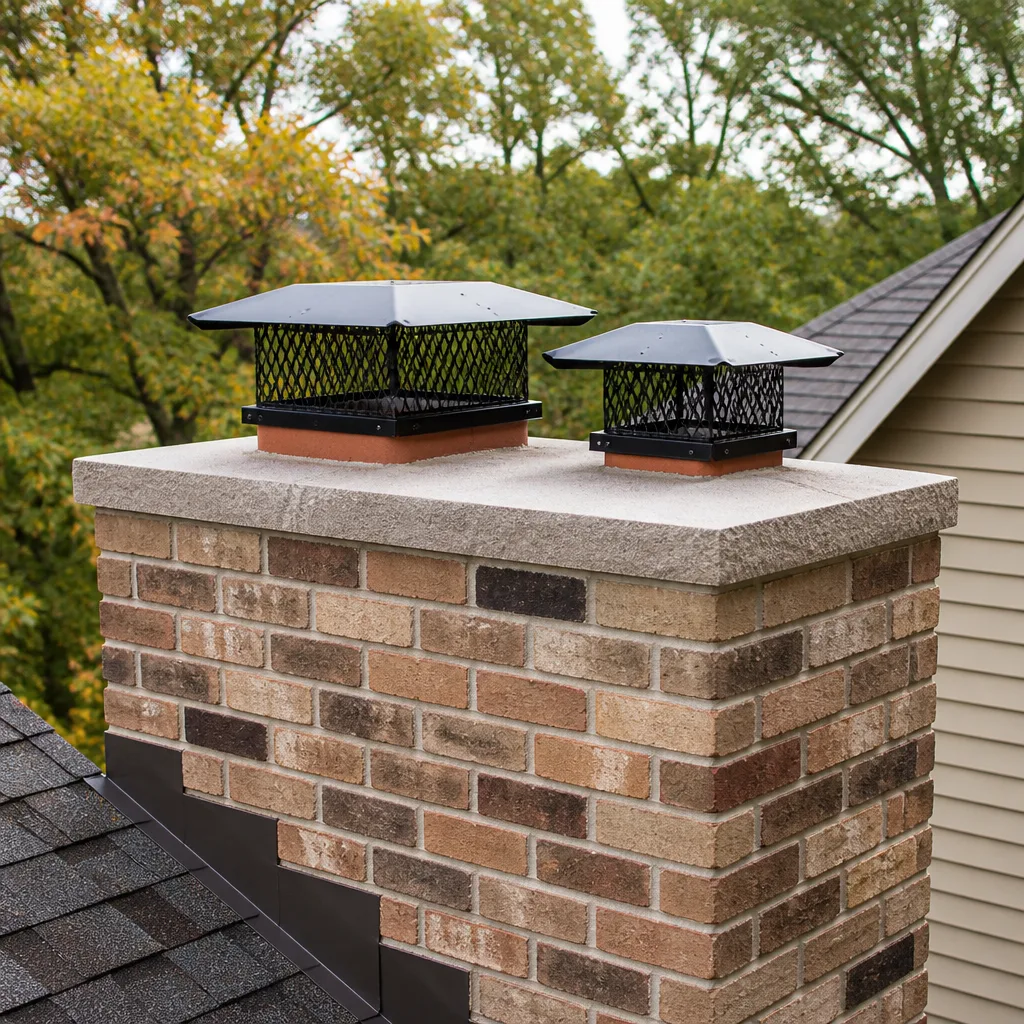 Caps & crowns
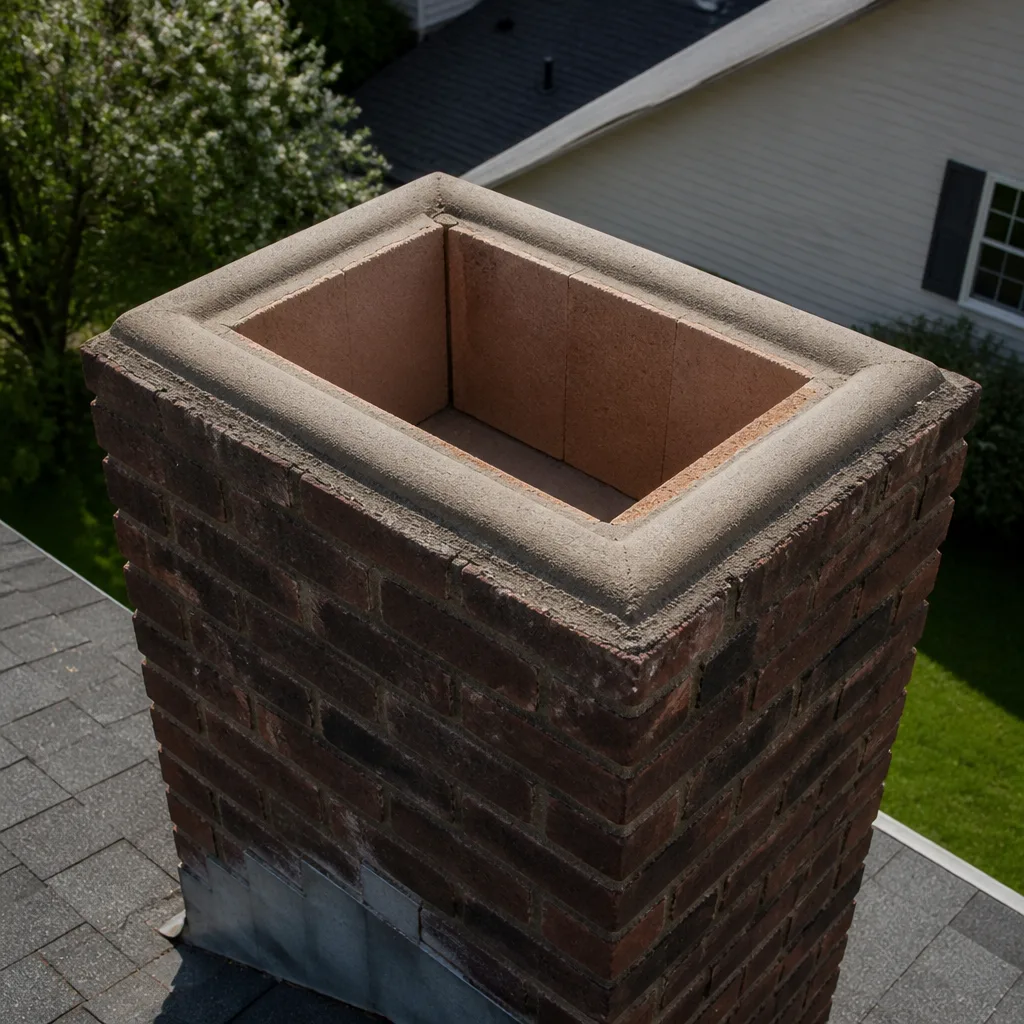 Flue relining
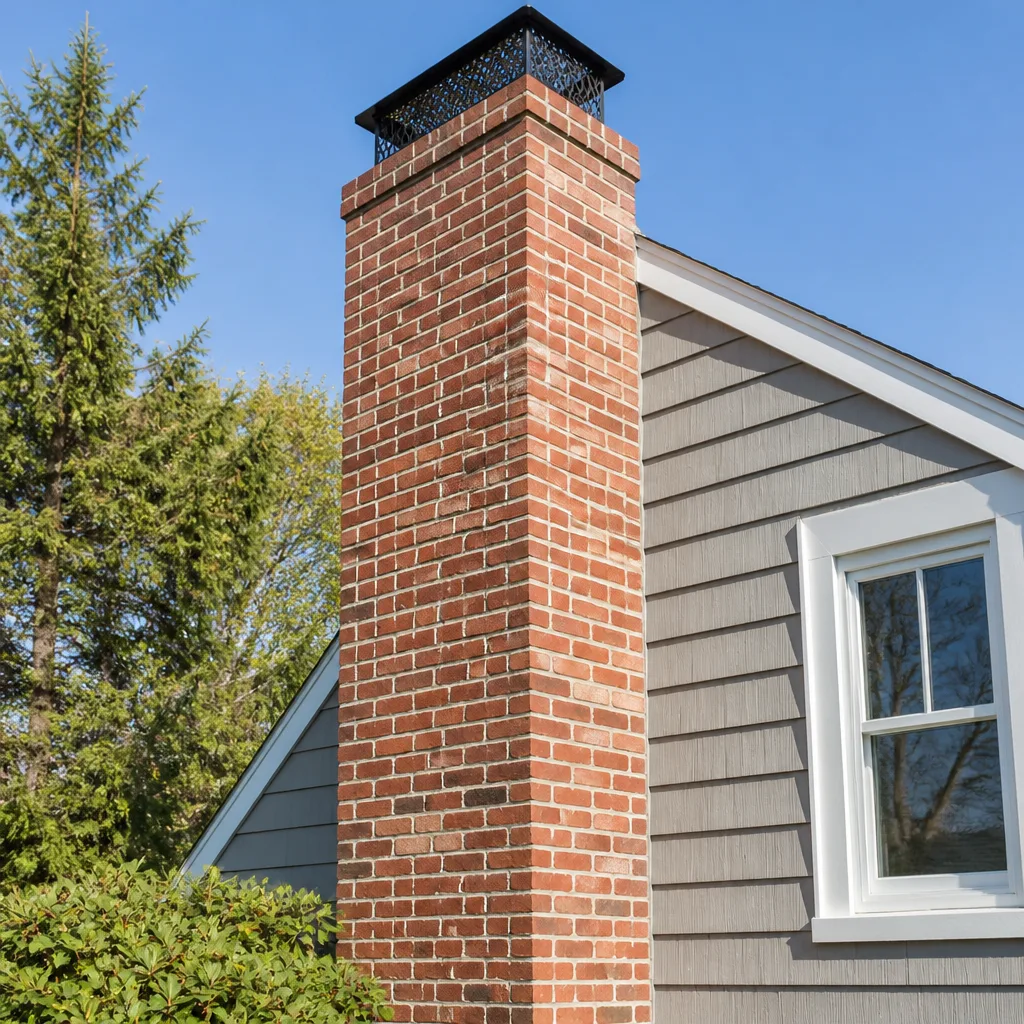 Masonry repair
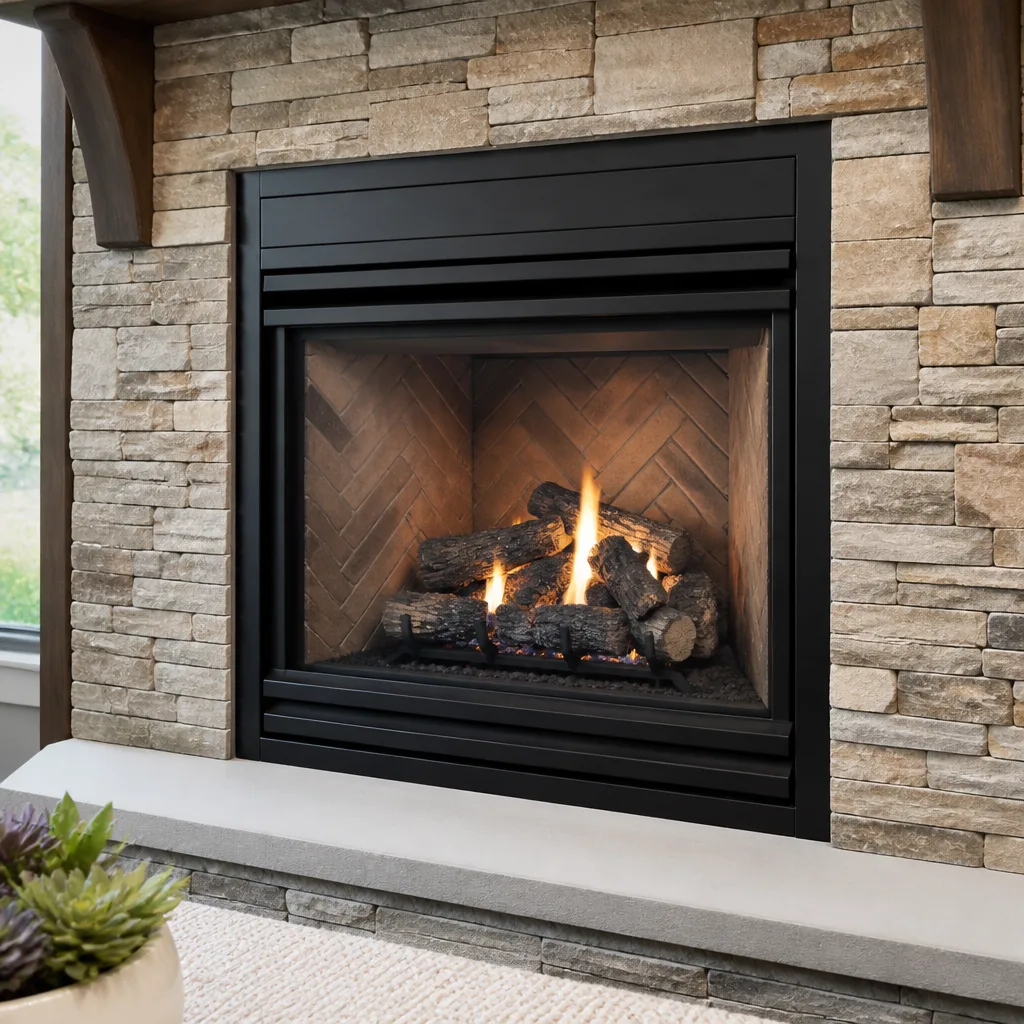 Gas fireplace service
Level 1 sweep and inspection to the NFPA 211 annual standard - flue, crown, cap, and flashing checked and photographed
Chimney sweep logs do not sweep chimneys. They loosen some creosote - which then falls where a brush and vacuum still have to collect it.
DIY vs Professional Chimney Cleaning: The Lafayette Homeowner’s Decision Guide
You can buy a chimney brush kit at a big-box store and clean your flue in an afternoon. The brushing part is genuinely not difficult. What’s difficult is knowing what the inside of your flue is supposed to look like, and recognizing the hairline liner crack or stage-two creosote glaze that the brush passed right over. That gap between doing the motion and reading the result is where most DIY chimney cleaning stories go wrong. This guide maps the specific conditions under which cleaning your own chimney in Lafayette is a reasonable choice, the ones where it quietly creates a false sense of security, and how to tell which one you’re standing in.
Quick Answer
DIY chimney cleaning is reasonable only for a lightly used chimney with a sound liner, and only as a supplement to a professional inspection, never a replacement for it. For wood-burning inserts, older clay tile liners, or any chimney you can’t visually verify from the top and the firebox, professional cleaning and inspection is the safer call because the creosote removal is the easy part and the liner assessment is the part that matters. In Lafayette’s high-altitude burn conditions, incomplete combustion raises glaze risk, which makes that assessment more important, not less.
Styles & brands we work with
- Sweep & inspection
- Caps & crowns
- Flue relining
- Masonry repair
- Gas fireplace service
Table of Contents
- What DIY chimney cleaning actually requires
- What DIY cleaning cannot assess
- When DIY is a reasonable supplement
- When DIY is genuinely risky
- Why Lafayette’s altitude raises the stakes
- The liability question: insurance and documentation
- What a professional cleaning in Lafayette includes
- Common mistakes to avoid
What DIY chimney cleaning actually requires
The bar for brushing a flue isn’t high, but it’s specific. You need the right brush diameter matched to your flue size, rods long enough to reach the top, drop cloths and a vacuum that can handle fine soot without blowing it back into the room, and eye and respiratory protection. The technique matters more than the tools: brush from the top down where possible, work the full length of the flue, and don’t spin a stiff brush against a clay tile liner hard enough to score it. A rotary brush on a drill is not a beginner tool on an older liner.
Here’s what the standard DIY checklist realistically looks like:
- Confirm flue size. Measure the inside dimensions of the flue so the brush fits snugly without jamming. A too-small brush skips creosote; a too-large one can wedge and damage tile.
- Protect the room. Seal the firebox opening with plastic and tape, lay drop cloths, and set up negative air pressure with a HEPA vacuum so soot doesn’t migrate into the house.
- Get on the roof safely. Top-down brushing requires safe roof access, which for many Lafayette homes means a steep pitch, snow, or ice that makes the roof genuinely dangerous. Never work a roof alone or in poor conditions.
- Brush the full flue. Work top to bottom or bottom to top depending on access, covering the entire run, then vacuum the firebox and smoke shelf.
- Bag the debris. Seal soot and creosote in bags and remove them without tracking through the house.
The technique is learnable. The judgment call that follows it is not, and that’s the subject of the next section.
What DIY cleaning cannot assess
When you brush your own chimney, you remove creosote. What you don’t do is evaluate the components that determine whether the chimney is safe to keep using. These are the parts that matter more than the cleaning itself, and they’re exactly the parts a brush passes over without comment.
- Liner integrity. Hairline cracks in clay tile liners and gaps at the joints are common and nearly invisible from the firebox. A cracked liner lets heat and carbon monoxide reach combustible framing, which is the mechanism behind many chimney-related house fires.
- Smoke chamber condition. The smoke chamber above the damper is sloped and irregular, and creosote accumulates on its surfaces in ways a flue brush never touches. It’s also where turbulence and draft problems originate.
- Damper seating. A damper that doesn’t seat fully leaks heated air up the flue when the fireplace is idle and can compromise draft control during a fire. You can’t feel that from the roof.
- Crown and cap status. The crown is the concrete top of the chimney, and its cracks are the entry point for water that eventually destroys the liner from the outside in. A missing or damaged cap lets rain, birds, and debris straight into the flue.
This is the core of why DIY cleaning can create a false sense of security. You’ve done something real, the fire draws, and everything feels fine, but the one defect that would actually cause a fire went unexamined. A professional chimney sweep includes a visual inspection with the cleaning for exactly this reason, and it’s the difference between a clean chimney and a safe one.
When DIY is a reasonable supplement
DIY has a legitimate place, and it’s narrower than most homeowners assume. The honest answer is that a homeowner can reasonably brush their own flue in a few specific situations, all of which share one trait: the chimney is low-risk and the liner is already known to be sound.
- A rarely used gas fireplace. Gas fireplaces don’t produce creosote the way wood does. A light annual brushing of the firebox and venting, done carefully, is within reach for a handy homeowner, though the venting itself still deserves a professional look on a regular schedule.
- A wood fireplace used lightly, with documentation of a sound liner. If you’ve had a professional inspection confirm the liner, smoke chamber, and crown are in good shape, and you burn a cord or less a year, a mid-season brush between professional visits is defensible.
- Cleaning up after a professional sweep. Vacuuming the firebox and hearth after a sweep has been through is a normal homeowner task and doesn’t require any special skill.
Notice what’s not on this list: anything involving an insert, an older home with an unverified clay tile liner, or a chimney with a history of draft problems. Those belong in the next section.
When DIY is genuinely risky
Some chimneys are genuinely poor candidates for homeowner cleaning, and it’s not because the brushing is harder. It’s because the consequences of missing a defect are higher and the defects are more likely to be there in the first place. In Lafayette, where a meaningful share of the housing stock includes older homes with original clay tile liners, this category is bigger than homeowners expect.
- Wood-burning inserts. An insert has its own liner and often its own baffle and flue collar arrangement. Cleaning it correctly requires disassembling parts of the appliance, and doing it wrong can damage the baffle or leave creosote packed above it. This is a job for someone who does it regularly.
- Older clay tile liners. Clay tile is brittle, and decades of heating and cooling cycles crack it. A homeowner brushing with a stiff brush can widen an existing crack, and more importantly can’t tell whether one is there.
- Any chimney with a known draft problem. If smoke rolls out of the firebox on startup or the fire struggles to draw, the cause is often in the smoke chamber or at the crown. Cleaning the flue won’t fix it, and cleaning it yourself just delays the diagnosis.
- Chimneys you can’t inspect from the top. If roof access is unsafe or the crown is out of view, you’ve lost the ability to catch the most common sources of water intrusion and structural failure.
If your chimney falls into any of these categories, cleaning it yourself isn’t a shortcut, it’s a gap in the record. That’s the honest line, and we’d rather tell you where it is than pretend it doesn’t exist.
Why Lafayette’s altitude raises the stakes
Lafayette sits at roughly 5,300 feet, and high-altitude wood burning is harder on a chimney than most homeowners realize. The thinner air at elevation means less oxygen per cubic foot, which produces more incomplete combustion, and incomplete combustion is what creates creosote in the first place. The result is a chimney that builds up glaze faster than the same stove and the same wood would at sea level. That matters for the DIY decision because the creosote you’re brushing out is often the easier, flakier type, while the harder glaze that forms at altitude is the type a hand brush skips right over.
Lafayette’s heating season runs long, and a wood stove that’s fired most evenings from fall into spring can accumulate meaningful creosote buildup in a single season. Homes near Old Town and along the older residential blocks tend to have the original clay tile liners that were never designed for today’s higher-output stoves, and that combination of a hot modern appliance in an older flue is exactly where the assessment matters. If you’re burning regularly in Lafayette, the inspection isn’t the optional part, the DIY brushing is.
The liability question: insurance and documentation
Homeowner’s insurance is the part of this conversation nobody enjoys, and it’s the part homeowners ask about after a chimney fire, not before. The straightforward truth: if a chimney fire damages your home and the chimney was last cleaned by you with no professional record, your insurer will investigate the maintenance history. A claim doesn’t automatically get denied, but you’re in a weaker position with no documentation, and some carriers will scrutinize maintenance neglect closely. A professional cleaning and inspection produce a dated record that shows the chimney was serviced and in what condition, which is material when a claim is filed.
None of this is a sales tactic. It’s the practical reason a $150 DIY savings can end up costing thousands in a disputed claim. The documentation a professional sweep leaves behind is part of what you’re buying, and it’s the piece the big-box brush kit doesn’t come with. Keep the records for your chimney repair work as well, since repairs tied to an inspection tell a cleaner maintenance story than a cleaning alone.
What a professional cleaning in Lafayette includes
A professional chimney cleaning in Lafayette should include more than brushing, and the difference is the inspection that comes with it. Our specialists handle the full chimney system, meaning the same team that sweeps your flue also assesses the liner, smoke chamber, damper, crown, and cap, and the same team stands behind any repair they recommend. That removes the conflict of interest that exists when the inspector and the repair contractor are two different companies, because there’s no incentive to find work for someone else.
Here’s how it typically runs:
- Drop cloths and containment. We set up plastic and a HEPA vacuum before a brush touches the flue, so soot stays out of your living room.
- Full flue sweep from the top down. We remove creosote with brushes sized to your flue, and rotary tools where the buildup calls for them.
- Smoke chamber and firebox cleaning. The areas a flue brush skips get addressed.
- Visual inspection of the liner, damper, crown, and cap. We tell you what we see and what it means, and we only recommend a repair when we can point to a defect.
- Written report and clear next steps. You get a record of the condition and a written estimate for anything we’d recommend, and the price is set per job by that estimate.
When a liner has been damaged but doesn’t yet need full replacement, we can often restore it with HeatShield flue-liner resurfacing, a proprietary system not every sweep is equipped to apply. That capability is the difference between relining and restoring, and it’s one reason we carry the professional-grade brands we do, including Gelco, Olympia Chimney, Copperfield, and Famco. Your entire chimney system, handled by one specialist team, is the goal. If you already have a scheduled inspection, the Lafayette Chimney Sweep team handles the cleaning and any fireplace repair that inspection turns up.
Common Mistakes to Avoid
- Buying a brush without measuring the flue. A brush that’s too small skips the creosote, and one that’s too large can jam or damage the liner. Measure first, and if you’re not sure, don’t guess.
- Skipping the inspection and calling it done. The brush doesn’t tell you the liner is cracked. If you’re cleaning it yourself, the one non-negotiable is a professional inspection on a regular schedule, separate from the cleaning.
- Using a rotary brush on an older clay liner. Rotary tools are effective on appropriate liners and destructive on brittle tile. If your home is older and the liner hasn’t been examined, leave the rotary to a pro.
- Working the roof unsafely. Getting to a steep, icy Lafayette roof is the single most dangerous part of DIY chimney work. A safer roof in summer weather is a different calculation than a snowy one in January.
- Ignoring the crown and cap because the flue looks clean. Water entry at the crown destroys liners from the outside in, and it’s invisible from inside the house.
- Cleaning instead of diagnosing a draft problem. If smoke backs up or the fire won’t draw, cleaning won’t fix it. You need the smoke chamber and crown examined, which is inspection work.
- No records. If you clean it yourself and never write down the date, you’ve erased the maintenance history your insurer might ask for. Keep a simple log even for DIY work.
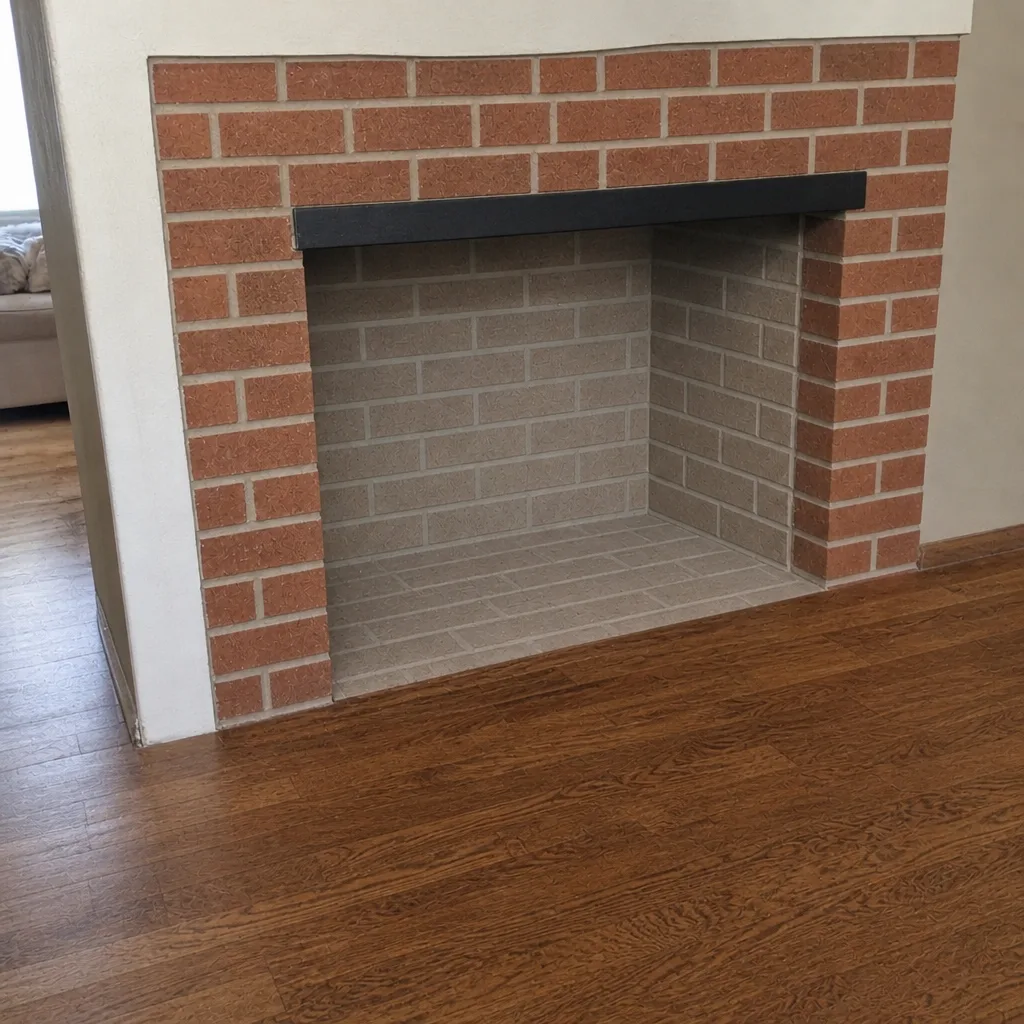
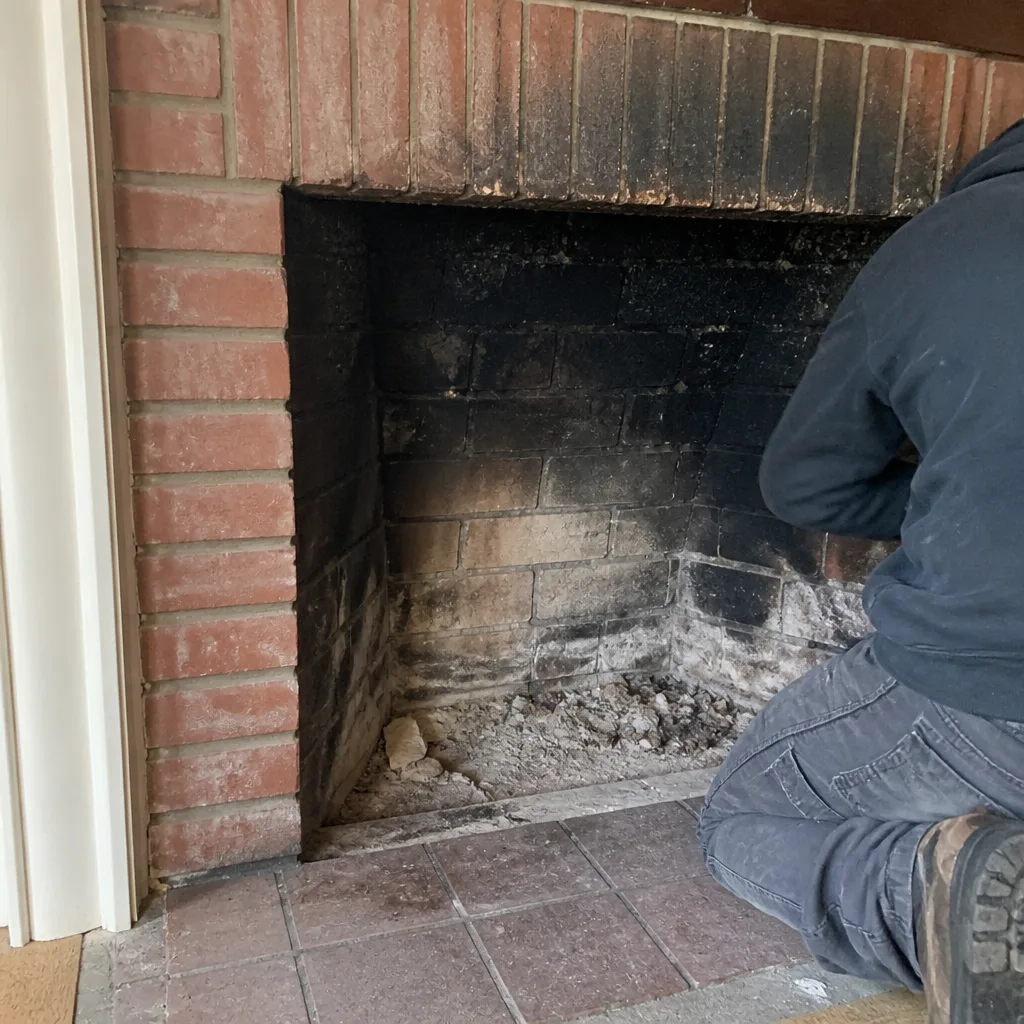
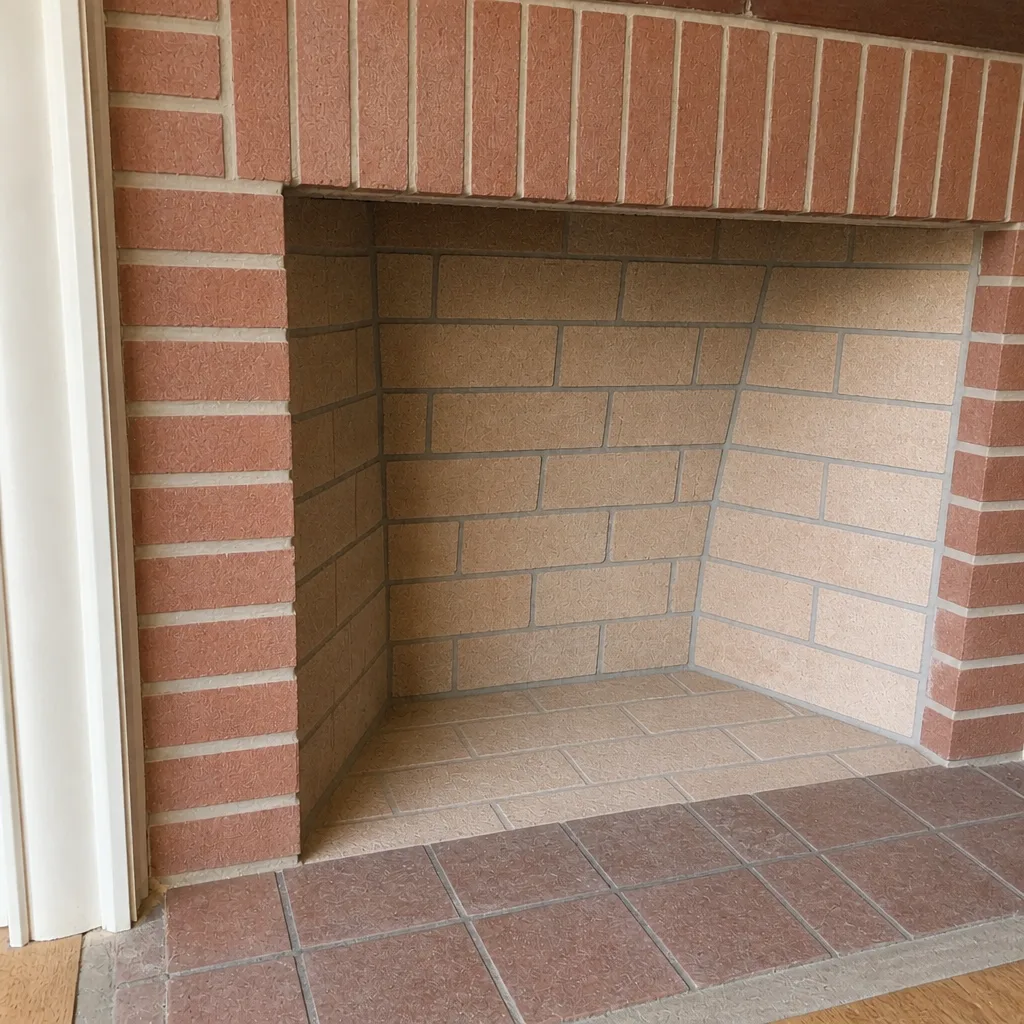
See the difference
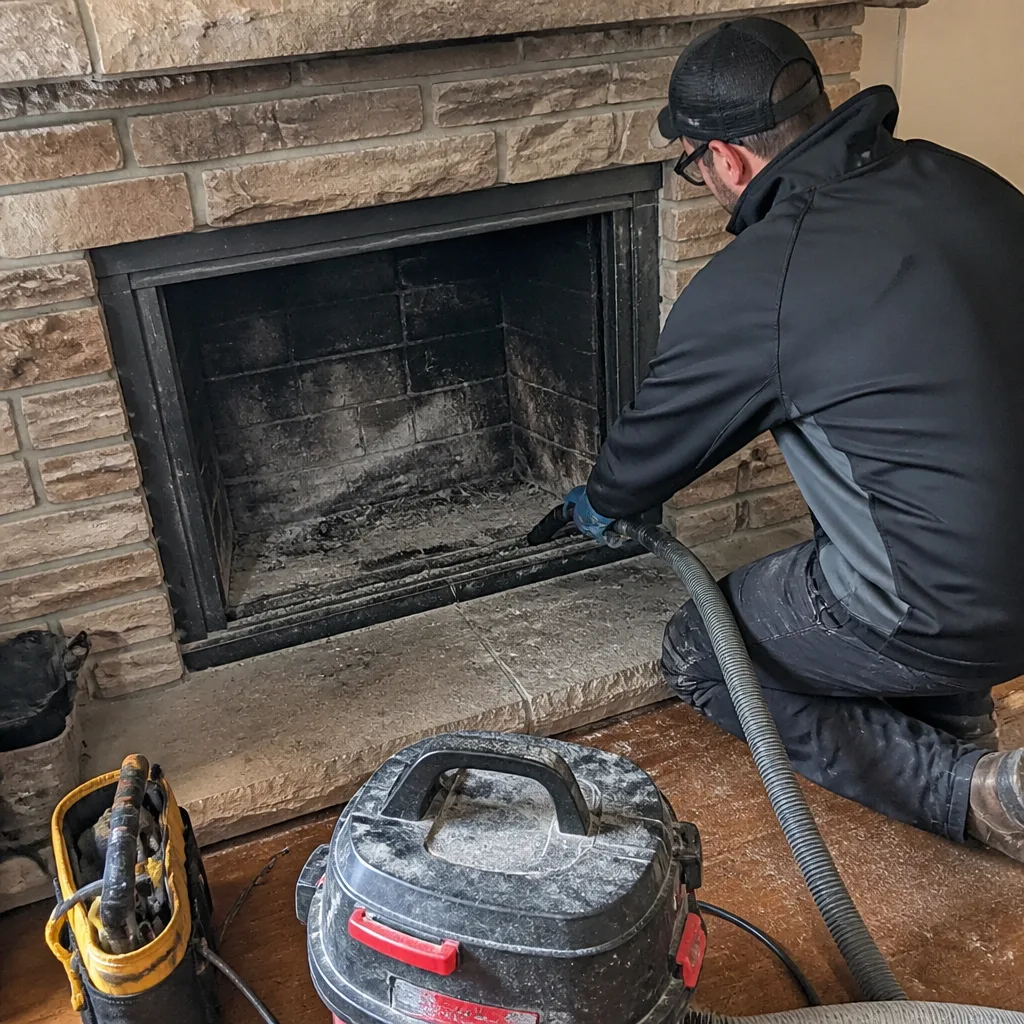 Before
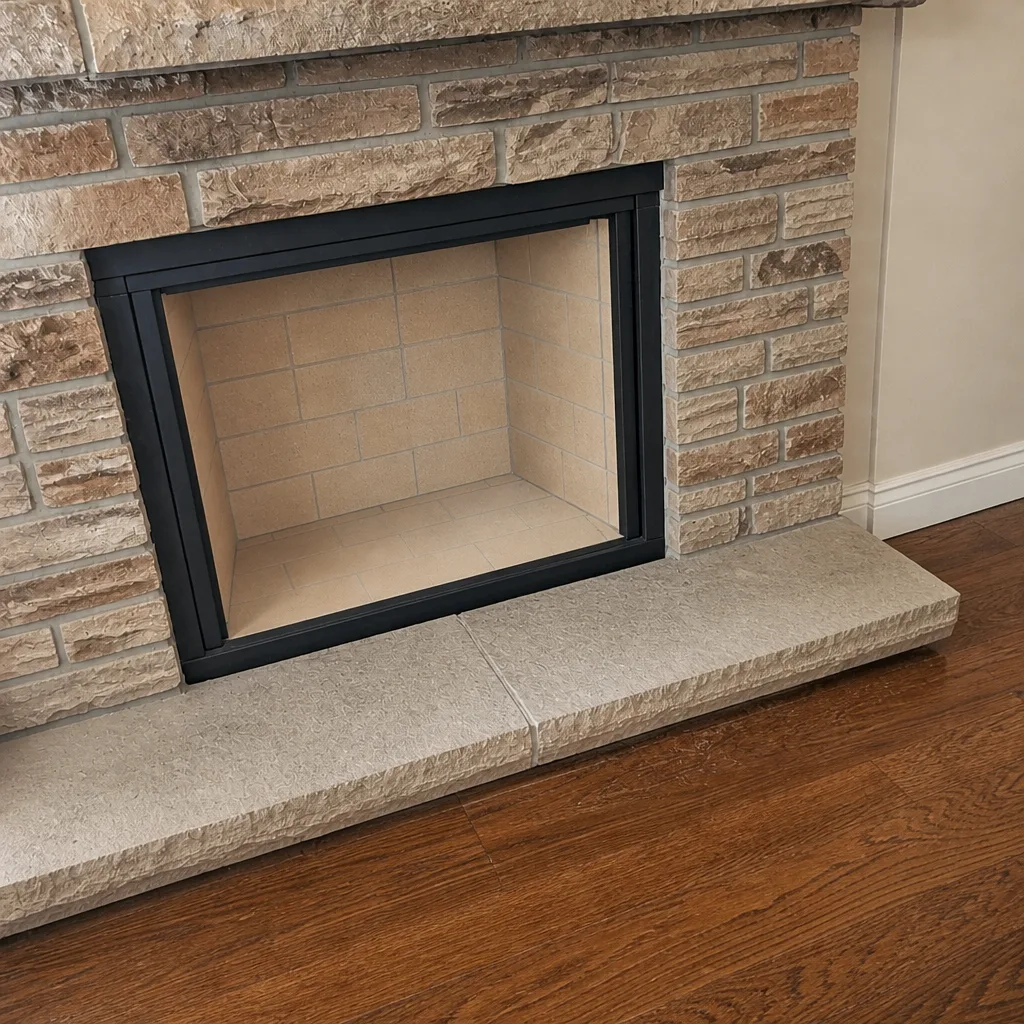 After
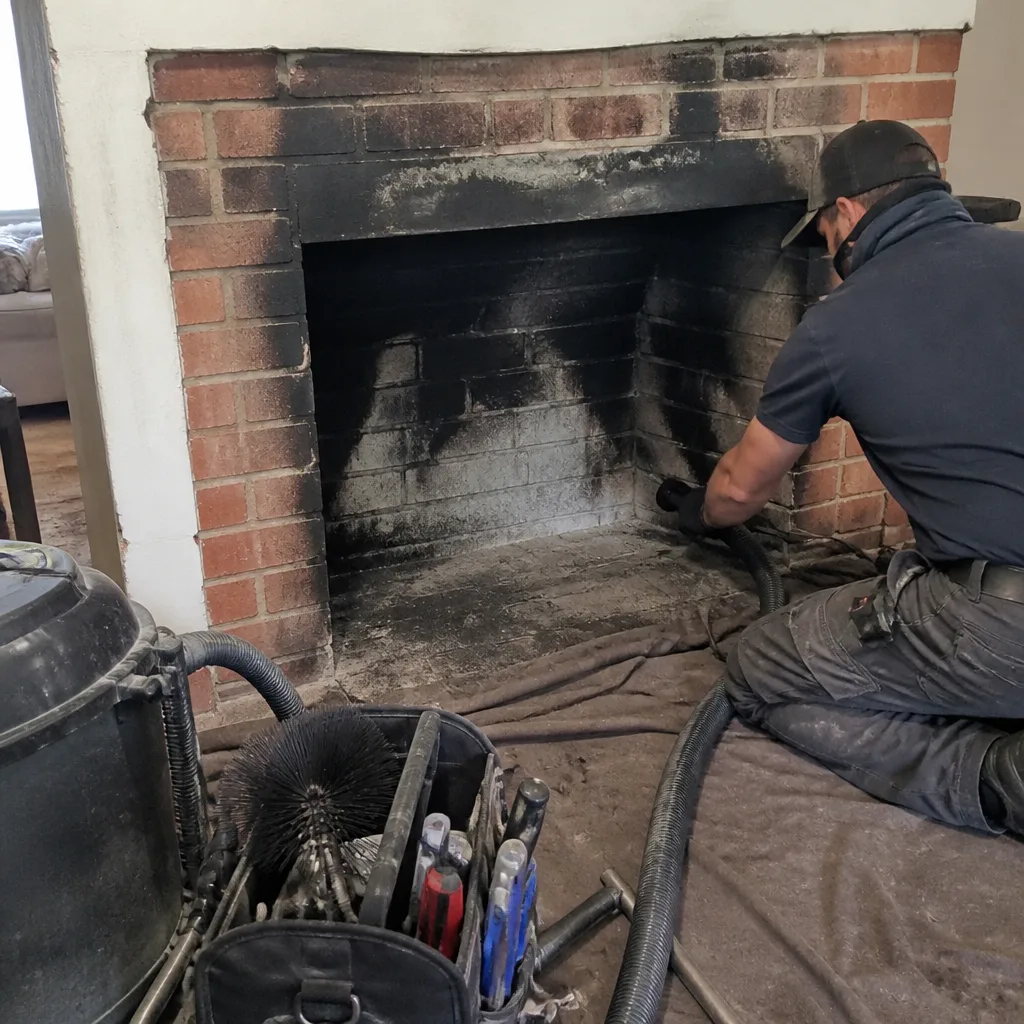 Before
 After
 Before
 After
When to Call a Professional
Call a professional if your chimney has a wood-burning insert, an older clay tile liner you haven’t had inspected, a known draft problem, or a liner you can’t see from the firebox. Call if you’re on a steep roof, if your cap or crown is missing or damaged, or if it’s been more than a year since your last inspection. Call if you’ve had a chimney fire, even a small one, because those events leave damage that only a trained eye catches. For a homeowner ready to move from DIY guesswork to a documented cleaning and inspection, Lafayette Chimney Sweep offers free estimates in Lafayette. Call (844) 272-3731, and we answer 24/7, with fast dispatch from 7am to 7pm, Sunday through Friday.
Frequently Asked Questions
A standard chimney sweep in Lafayette typically runs in the low-to-mid $200 to $350 range, and an inspection is often bundled with the cleaning. The written estimate sets the final price, and it’s free. Call (844) 272-3731 for an exact quote, and estimates are free.
You can be safe if, and only if, a professional has inspected the liner, smoke chamber, and crown and found them sound, and if the chimney is lightly used gas or a low-burn wood fireplace. Without that inspection, the brushing removes creosote but leaves the actual safety question unanswered. That’s the condition most homeowners miss. Call (844) 272-3731 to schedule the inspection that makes DIY defensible.
Once a year for wood-burning appliances, and more often if you burn heavily through Lafayette’s long heating season or notice buildup. Gas fireplaces can go longer between sweeps but still deserve a professional look on a regular schedule. The right interval depends on your burn habits, so ask for an inspection to gauge it. Call (844) 272-3731.
The inspection is the more important of the two. Cleaning removes creosote, but a cracked liner, a deteriorated smoke chamber, or a failing crown all create fire and carbon monoxide risk that the brush doesn’t touch. Cleaning without inspection is the DIY mistake we see most. Call (844) 272-3731 to schedule both together.
If a chimney fire damages your home and the last cleaning was DIY with no professional record, your insurer will investigate the maintenance history, and you’re in a weaker position with no documentation. A claim isn’t automatically denied, but proving the chimney was serviced falls to you. Call (844) 272-3731 for a documented cleaning and inspection.
Yes, a professional cleaning in Lafayette includes a visual check of the cap and crown as part of assessing the full system. Those are the two components that let water in and destroy liners from the outside, and they’re invisible from inside the house. If either needs attention, we’ll show you what we found. Call (844) 272-3731 for a free estimate.
The Bottom Line
DIY chimney cleaning isn’t the wrong choice, it’s an incomplete one when done without inspection. The brushing is learnable; reading the liner, smoke chamber, damper, crown, and cap is not something a homeowner can do reliably from the firebox. In Lafayette’s high-altitude burn conditions, incomplete combustion builds creosote faster and raises the risk of glaze that a hand brush misses. If your chimney is a lightly used gas fireplace with a documented sound liner, DIY as a supplement is reasonable. If it’s a wood insert, an older clay liner, or has any draft issue, professional cleaning and inspection is the safer call. Our technicians have up to 10 years of experience, and your entire chimney system stays with one specialist team.
Ready to put the guesswork aside? Call Lafayette Chimney Sweep at (844) 272-3731 for a free estimate. We answer 24/7. Fast dispatch from 7am to 7pm, Sunday through Friday.
Written by the team at Lafayette Chimney Sweep.