
Last updated November 24, 2026
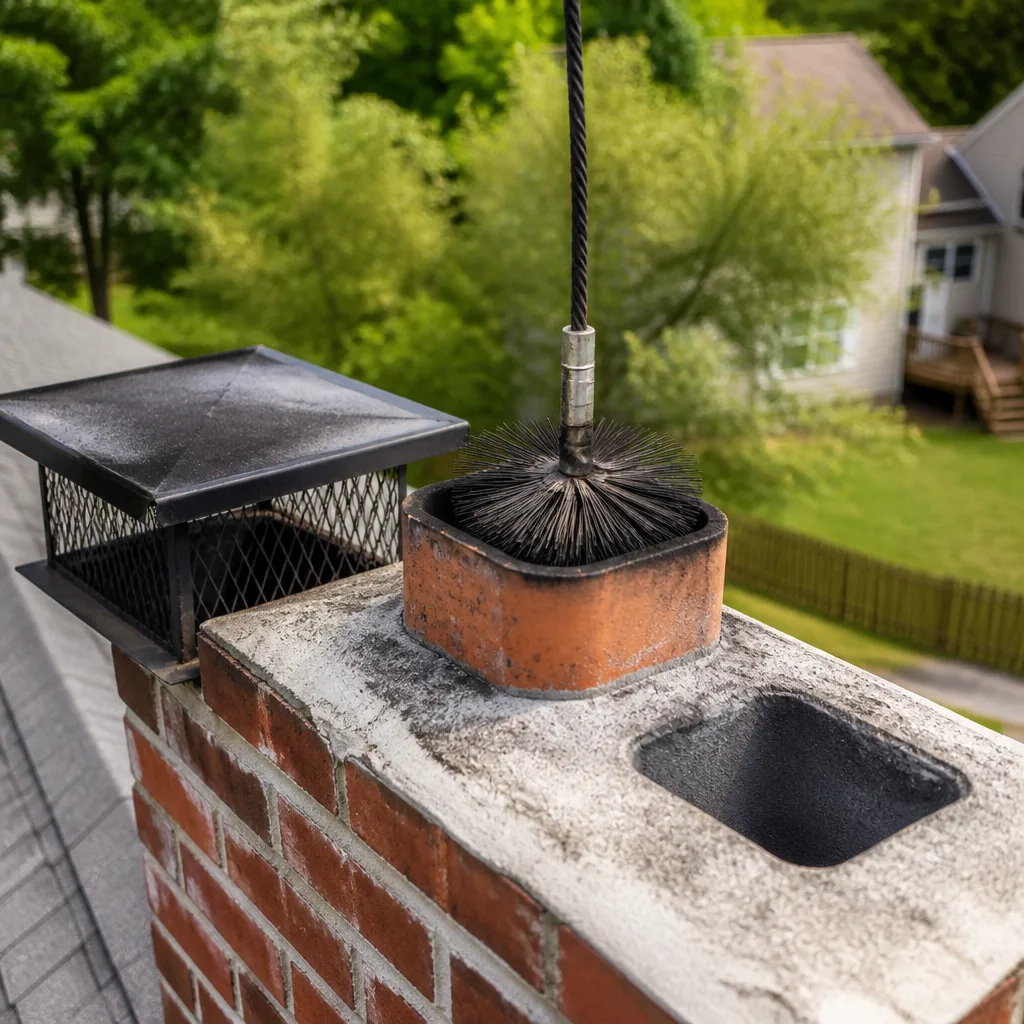 Sweep & inspection
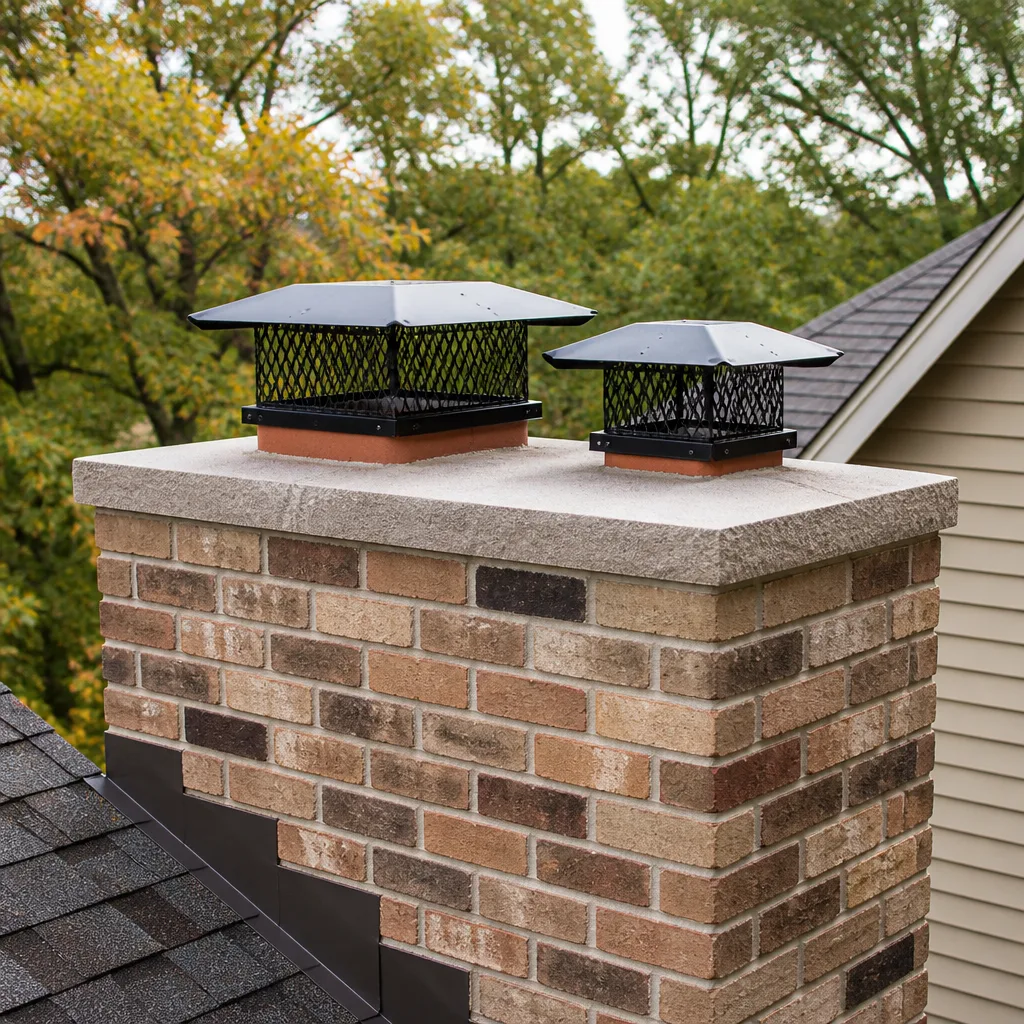 Caps & crowns
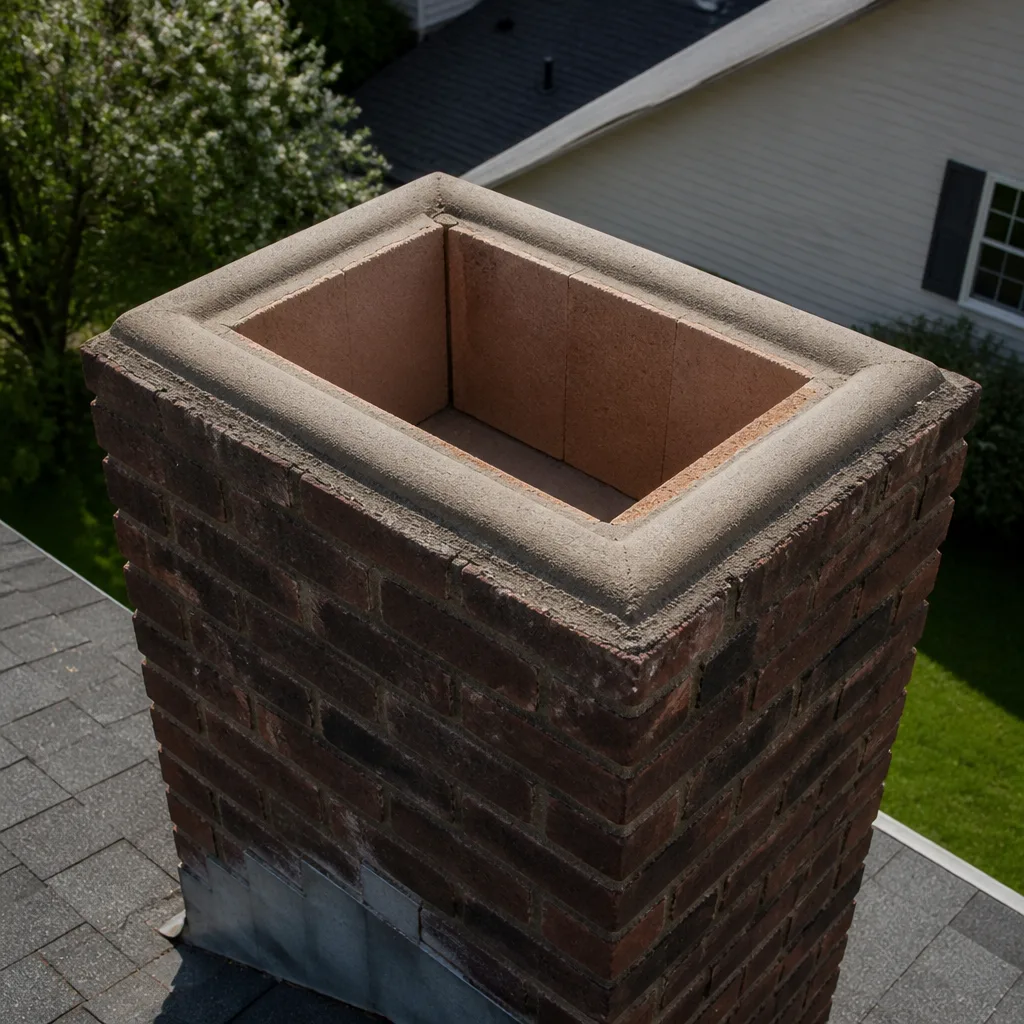 Flue relining
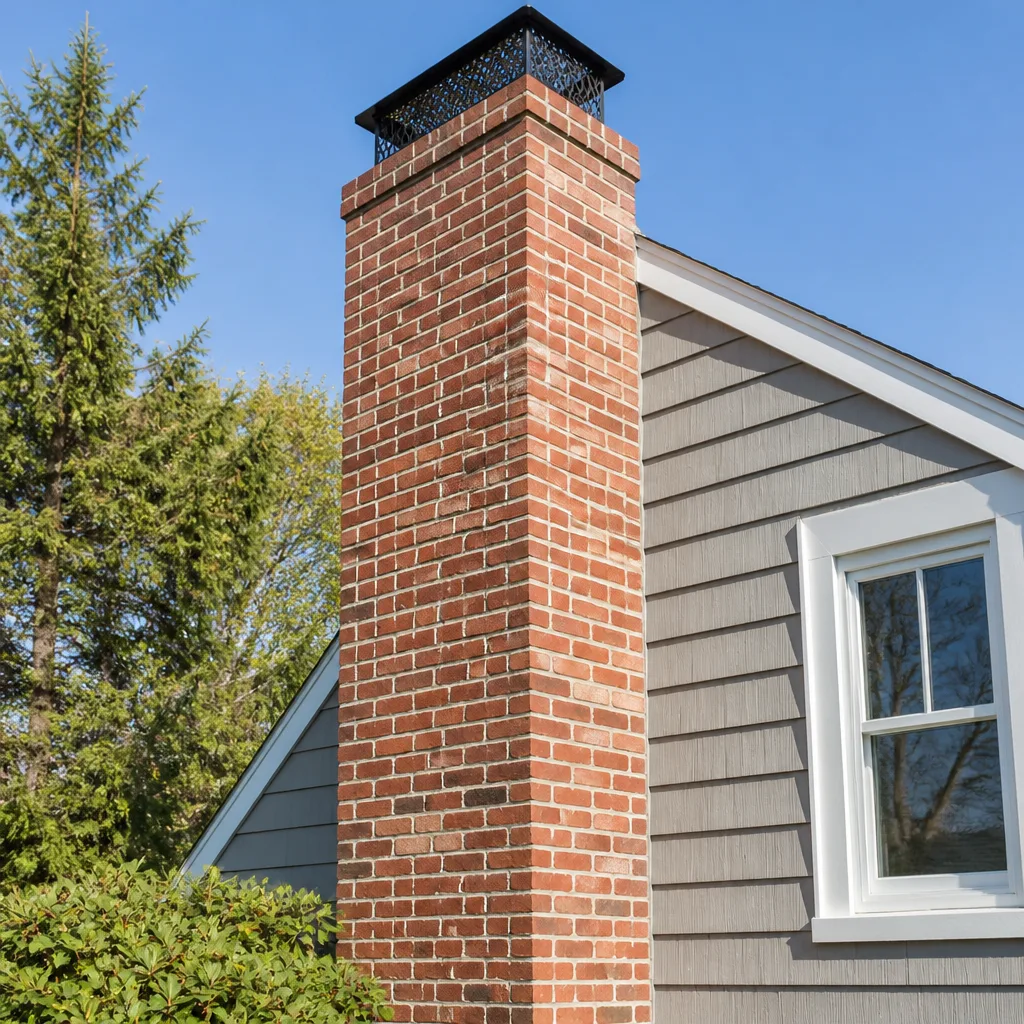 Masonry repair
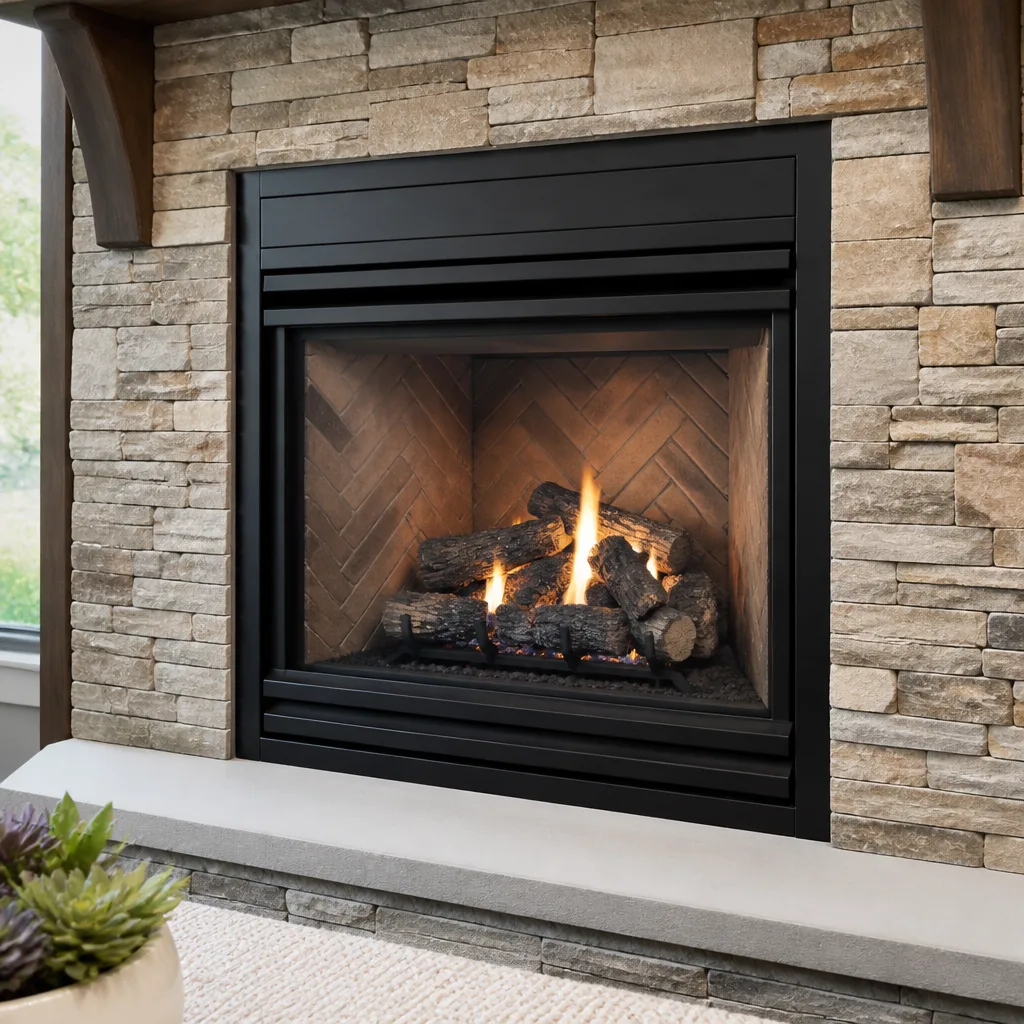 Gas fireplace service
Level 1 sweep and inspection to the NFPA 211 annual standard - flue, crown, cap, and flashing checked and photographed
Chimney sweep logs do not sweep chimneys. They loosen some creosote - which then falls where a brush and vacuum still have to collect it.
Seasonal Chimney Cleaning Care for Lafayette: Year-Round Homeowner’s Guide
The standard advice to book a chimney sweep in fall, before you light your first fire, is correct but incomplete. By the time autumn arrives, your chimney may already have taken on spring frost damage, a summer animal intrusion, or a masonry crack that turns that first fire into a liability. Lafayette’s Front Range weather puts your chimney through a year-long stress cycle: a wet spring thaw working on the masonry, a dry summer drawing birds and squirrels to the open flue, a heavy heating season laying down creosote, and a freeze-thaw fall that can split repairs made in warmer months. This guide maps what your chimney actually needs in each season so nothing gets skipped.
Quick Answer
In Lafayette, CO, the highest-value time to schedule a professional chimney sweep is late summer, ideally July into August, before heating season begins and before the first freeze locks in any summer masonry damage. Year-round care means a professional sweep and inspection once a year, plus simple off-season checks after snowmelt and through nesting season. Each season stresses a different part of the system, and catching problems early keeps small repairs from turning into major ones.
Styles & brands we work with
- Sweep & inspection
- Caps & crowns
- Flue relining
- Masonry repair
- Gas fireplace service
Table of Contents
- Why Lafayette’s Climate Is Hard on Chimneys
- The Four-Season Stress Map: What Your Chimney Faces Each Year
- When to Schedule Your Professional Sweep for Maximum Value
- Spring in Lafayette: Snowmelt, Frost Damage and High Winds
- Summer: Nesting Season and the Best Window for Repairs
- Fall: Freeze-Thaw and the Heating Season Ahead
- Winter: What to Watch While the Fire Is Burning
- Off-Season Care Between Professional Visits
- How Seasonal Timing Changes Your Repair Bill
Why Lafayette’s Climate Is Hard on Chimneys
Lafayette sits on the Front Range bench where the plains meet the foothills, and that position drives weather that’s tough on masonry. The town gets warm spring days followed by hard overnight freezes, and that swing is repeated many times across March and April. Water soaks into the brick and mortar when it’s warm, then expands as it freezes overnight. Repeated freeze-thaw cycles are what open hairline cracks, spall brick faces, and loosen mortar joints at the crown and along the exterior stack.
Spring also brings the wind. The stretch from late winter into early spring sends strong gusts rolling off the foothills and across the open ground east of town, and those gusts carry anything loose toward your chimney. Leaves, twigs, seed pods and roofing grit find their way onto the cap and into the flue. A cap that’s already loose or a screen that’s already torn lets that debris straight in.
Summer is dry, and to a bird or a squirrel an open, uncapped flue looks like a perfect cavity for a nest. Fall arrives with its own freeze-thaw window that can crack mortar that was patched in July. And the heating season, when wood stoves and fireplaces are running hard through cold snaps, is when creosote builds in the flue. Four different stresses, four different seasons, one system. Treating chimney care as a single fall appointment misses three seasons of risk.
Understanding how the whole system fits together – firebox, flue, liner, crown, cap – makes the seasonal schedule easier to follow. If you’re new to homeownership here, the Lafayette Chimney Sweep home page lays out the five service categories we cover from firebox to cap.
The Four-Season Stress Map: What Your Chimney Faces Each Year
Here’s how each season stresses your chimney in Lafayette, and what to do about it. Use this as your planning framework for the year.
- Spring (March into May): Snowmelt and repeated freeze-thaw cycles attack the masonry, the crown and the mortar joints. High winds drive debris against the cap and screen. Water intrusion after snowmelt is the single most common exterior problem. Action: check the crown and cap once the snow is gone, and watch for water staining inside the firebox.
- Summer (June into August): Nesting season for birds and squirrels runs roughly April through August. Dry weather is also the safest, most stable window for masonry repairs and liner resurfacing, because mortar and coatings cure predictably. Action: book your professional sweep and inspection in late summer, and close any open flue with a cap and screen before spring nesting begins.
- Fall (September into November): The freeze-thaw window returns and can crack mortar patched over the summer. This is also when the first heating-season fires begin laying down creosote. Action: make sure the sweep and inspection are done before the first fire, and confirm summer repairs held through the first freeze.
- Winter (December into February): Heavy use builds creosote fastest, and cold snaps mean fires burn longer. Action: burn dry, seasoned wood, watch for smoke problems or a weak draft, and don’t skip a mid-season look at the firebox if you burn daily.
Each season’s action is small on its own. Together they keep the system sound and catch problems while they’re still cheap to fix.
When to Schedule Your Professional Sweep for Maximum Value
Late summer beats early fall for one practical reason: fall is the busiest season in this trade, and late summer gives you the widest choice of dates plus time to complete any repair before the first freeze. When you book in July or August, any masonry or liner issue found during inspection can be fixed while the weather is stable and the repair cures properly. When you book in October, a needed repair may have to wait or get rushed.
There’s a second reason. If the inspection finds a problem that needs attention – a cracked crown, a deteriorating liner, a damaged cap – a late-summer appointment leaves you a comfortable window to plan and complete the work. A fall appointment compresses that window. Fall bookings also fill fastest, so scheduling ahead means less scrambling.
A sensible annual plan for a Lafayette home looks like this:
- Late summer (July-August): professional sweep and inspection. This is the anchor appointment of the year.
- Early fall (September): complete any recommended repair found in the summer inspection, while masonry cures well.
- After first freeze: a quick visual check that summer repairs held and the cap and crown are intact.
- Mid-winter: monitor draft and smoke behavior if you burn daily; note anything unusual for the next visit.
- Spring (after snowmelt): a homeowner-level exterior look at the crown, cap and flashing; book the pro if you see staining or loose material.
A chimney sweep is not just a cleaning – it’s the whole system examined by a specialist. Our team handles both the sweep and the inspection in one visit, so accountability stays with the same people who’d carry out any repair. If you’d like the annual visit handled by the specialist, book a chimney sweep and get the inspection done at the same time.
Spring in Lafayette: Snowmelt, Frost Damage and High Winds
Once the snow melts off the roof and the ground warms, spring is the first real chance to see what winter did to the outside of your chimney. The freeze-thaw cycles of late winter often leave their mark on the crown – the flat concrete or masonry top that caps the top of the stack and sheds water away from the flue. A hairline crack in the crown lets meltwater in, and the next overnight freeze pushes that crack wider. By mid-spring you can have a crown that’s visibly checking or flaking.
Walk the yard and look up at the stack once the snow is gone. You’re checking for a few things at homeowner level:
- Crumbling or flaking at the top of the stack (the crown is the usual culprit)
- Loose or missing cap, or a torn screen
- White staining or efflorescence on the brick, a sign of water moving through the masonry
- Rust streaks on a metal chimney, or water staining inside the firebox
- Mortar joints that have gone soft or visibly receded
The spring wind period also matters. Strong gusts driving across the open ground push debris against the chimney, and an already-loose cap or screen can give way. If you see a sagging cap or a torn screen in spring, get it looked at before nesting season, because the open flue is far more attractive to wildlife than one with a working screen. When the inspection finds a cracked crown or loose flashing, we install chimney caps and crowns built to handle the freeze-thaw cycle, using professional-grade components such as Copperfield and Gelco, rather than the thin big-box versions that fail early.
Spring is also when water intrusion from a long winter shows up as dampness inside the firebox or staining on the chimney breast indoors. If you see that after snowmelt, it’s worth a professional look rather than a wait-and-see.
Summer: Nesting Season and the Best Window for Repairs
From roughly April through August, birds and squirrels are looking for cavities to nest in, and an open, uncapped flue is one of the best cavities a house offers. Squirrels drop debris and shells down the flue; birds build nests that block the flue and become a fire risk the moment you light a fire. The fix is prevention, and prevention happens before the season, not during it.
If a nest or blockage has already formed, the safe move is a professional removal, not a DIY attempt from the roof. Climbing onto a roof to clear a flue is a fall risk, and pushing a nest down the flue can pack it tighter or push debris into a place you can’t reach. A trained technician removes the blockage safely and checks that the flue is clear top to bottom. Don’t try to reach in with a pole or broom from below either, since you can’t see what you’re doing and can damage the liner.
Summer is the best window of the year for repairs. Mortar, crown coatings and liner resurfacing all cure predictably in warm, dry weather, and there’s no freeze-thaw cycling to crack fresh work before it sets. This is the season when HeatShield flue-liner resurfacing makes the most sense: it can restore a damaged clay flue liner rather than replace it outright, saving significant cost. The same stable weather favors fireplace repair that involves masonry, and for full relining where it’s needed, a DuraFlex liner system installed in summer cures and settles before the first fire.
Two homeowner actions make summer count:
- Confirm your cap and screen are intact before spring nesting gets going, and repair or replace a damaged cap immediately if it’s already compromised.
- Book your sweep and inspection for July or August so any repair found can be completed while the weather cooperates and before the fall rush.
Summer is also the quietest season for this trade, which means scheduling is easiest and the repair window is widest. Use it.
Fall: Freeze-Thaw and the Heating Season Ahead
Fall is when the freeze-thaw window comes back, and it can crack mortar that was patched in July if the repair wasn’t properly done. A first freeze followed by a warm day pushes apart any weak joint. This is one reason summer work should use professional-grade materials and proper technique: the repair needs to survive the first real cold snap or it wasn’t a repair.
Fall is also when the first fires of the heating season start laying down fresh creosote. Every fire deposits some, and the rate depends on the wood, the draft and how hot you burn. By the end of a heavy season, a flue that started clean can carry a real creosote load. A professional sweep and inspection before the first fire means you start the season clean and know the flue is sound.
By the time you’re considering that first fire, autumn has arrived – and if spring and summer work was skipped, you’re carrying unknown risk into the heating season. The practical fall checklist:
- Confirm the sweep and inspection are complete before the first fire
- Get the chimney cap repaired or replaced if it’s loose or damaged
- Have any summer repairs visually checked after the first freeze
- Stock dry, seasoned firewood so the season starts with a clean burn
If you find yourself in October with no sweep on the books, book the earliest available appointment and treat the first fire as a small test burn rather than a full load, so you can watch for smoke problems or a weak draft. When the inspection finds a liner or masonry problem in fall, our team performs chimney repair using the same professional-grade components we specify year-round, so the repair is built to handle winter.
Winter: What to Watch While the Fire Is Burning
Winter is the season of heaviest use, and creosote builds fastest when fires burn low and smoky or the wood is wet. A hot, clean-burning fire produces less creosote than a smoldering one. Burning dry, seasoned wood and keeping the fire burning cleanly is the single best thing you can do between professional visits, and it’s the reason the late-summer sweep matters so much: a clean flue and sound chimney going into the season is what makes a safe winter possible.
Watch for a few signals while the fire is running:
- Smoke backing into the room when you light a fire or open the damper
- A weak or inconsistent draft where the fire struggles to draw
- A strong, sharp creosote smell, especially on warm days
- Visible creosote or soot near the top of the firebox
- Any sign of water staining or dampness around the hearth
Carbon monoxide is a serious concern for any home with a wood-burning or gas appliance, and it’s worth having working CO detectors on every level as a matter of course. If you ever suspect a CO problem, leave the building and call for help first. Chimney blockages, a cracked liner or a compromised flue can let combustion gases into the home, and a professional inspection is the only reliable way to confirm the flue is sound. We take that seriously, which is why our inspections include a camera inspection and photo report you can see for yourself, not just a verbal summary.
If a fire won’t draw or smoke keeps backing up mid-season, don’t keep burning and hope it clears. Stop, and book an inspection before the next fire.
Off-Season Care Between Professional Visits
Between professional visits, a few simple homeowner checks keep your chimney in good shape and give the next inspection a head start. None of this replaces the annual sweep and inspection; it just catches changes early.
After snowmelt. Once the snow is off the roof, look up at the crown and the cap. The crown should be intact with no visible cracks or flaking. The cap and screen should be in place with no tears. White staining on the brick or water staining inside the firebox means water is finding a way in, so note it for the next visit.
Through spring and summer. Confirm the cap and screen are intact before nesting season. If you see a bird or squirrel going in and out of the flue, call for a removal rather than trying to clear it yourself. Check the exterior after big wind events for anything loosened on the stack.
Before the first fire. Do a visual check of the interior of the firebox and the damper, and make sure the sweep and inspection are done. Confirm the cap is in place and the flue is clear.
A short annual checklist keeps you organized:
- Spring, after snowmelt: inspect the crown, cap and flashing from the ground
- Spring into summer: confirm cap and screen are intact before nesting season
- Summer: book the professional sweep and inspection for late summer
- Early fall: complete any repair found in the inspection
- After first freeze: check that summer repairs held
- Before the first fire: confirm the sweep is complete and the flue is clear
If you’d rather the specialist handle the whole system in one visit, that’s what we’re set up for. Our fireplace repair work covers the firebox and interior while the sweep and inspection cover the flue, so nothing gets left between two contractors.
How Seasonal Timing Changes Your Repair Bill
Catching a small crown crack in summer versus after the first freeze is a real cost difference, and it comes down to how the damage behaves in cold weather. A small crack in the crown lets meltwater in, and each freeze widens it. Left through a winter, a small crack can become a crown replacement rather than a spot repair, and water that gets into the stack can damage mortar and brick below. The earlier you catch it, the smaller the repair.
The same logic applies to the flue liner. A minor liner crack found in a summer inspection might be eligible for HeatShield resurfacing, which restores the liner rather than replacing it. A liner that’s deteriorated through a full heating season may need a full relining with a DuraFlex system. The work is different, and so is the cost. Timing the inspection for late summer means you catch problems at the smaller stage. Pricing for any repair is set per job by a written estimate, and the estimate is free, so there’s nothing to lose by getting the inspection on the calendar early.
| Timing of detection | Typical situation | General repair approach |
|---|---|---|
| Summer inspection, early | Hairline crown crack, minor liner wear | Spot repair or HeatShield liner resurfacing |
| Fall after first freeze | Crack widened, mortar loosened | Crown repair, mortar work, possible liner work |
| After a full winter undiscovered | Crown replacement, deteriorated liner, water damage | Full crown replacement, full relining, masonry repair |
Each row is a typical scenario, not a quote. The written estimate after inspection sets the final price, and nothing is recommended without camera evidence you can see for yourself. If a repair can safely wait, we say so. When the inspection finds an issue that needs handling before winter, our team performs the chimney repair with the professional-grade materials the trade relies on, so the work holds through the season.
Common Mistakes to Avoid
- Booking only in fall. Fall is the busiest season in this trade, and a fall booking can leave no time to complete a needed repair before the first freeze. Late summer is the better anchor.
- Never capping an unused flue. An open flue is an invitation to birds, squirrels, rain and snow. Cap it even if you don’t burn, so nesting season and weather can’t get in.
- Ignoring the crown after snowmelt. The crown is the first place freeze-thaw damage shows up, and a small crack caught in spring is a spot repair. Left through a winter, it can become a replacement.
- DIY nest removal from the roof. Getting on a roof to clear a flue is a fall risk and can push debris deeper into the liner. Call a professional to remove a blockage safely.
- Burning wet or unseasoned wood. Wet wood burns low and smoky and lays down creosote faster than dry, seasoned wood. It’s the most common avoidable cause of a heavy creosote load.
- Separating the inspector from the repairer. When the inspection and the repair come from different companies, accountability splits. One specialist team covering both removes that gap, which is how we handle every Lafayette inspection.
- Skipping the annual sweep “because it looked fine.” Creosote and liner wear aren’t visible from the firebox, and a camera inspection is the only reliable check. Skipping a year carries the risk forward unmeasured.
See the difference
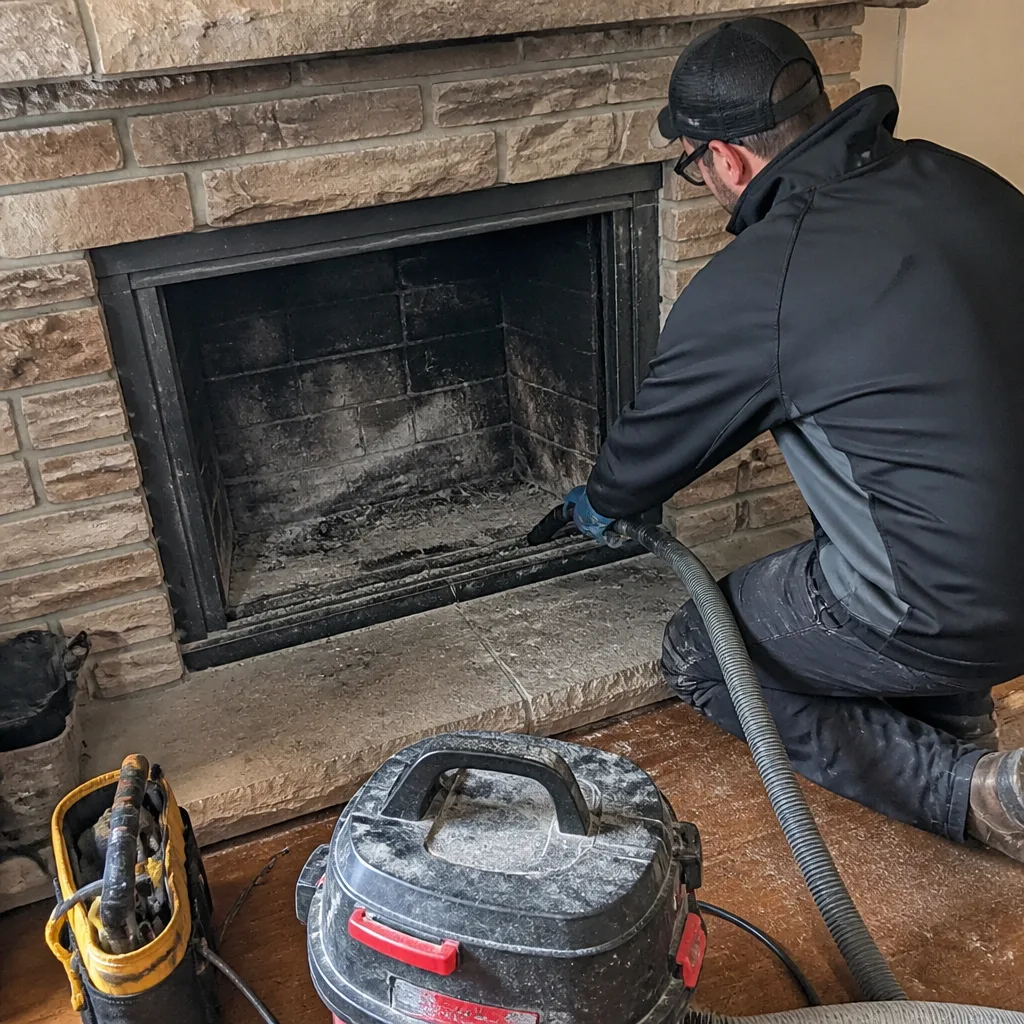 Before
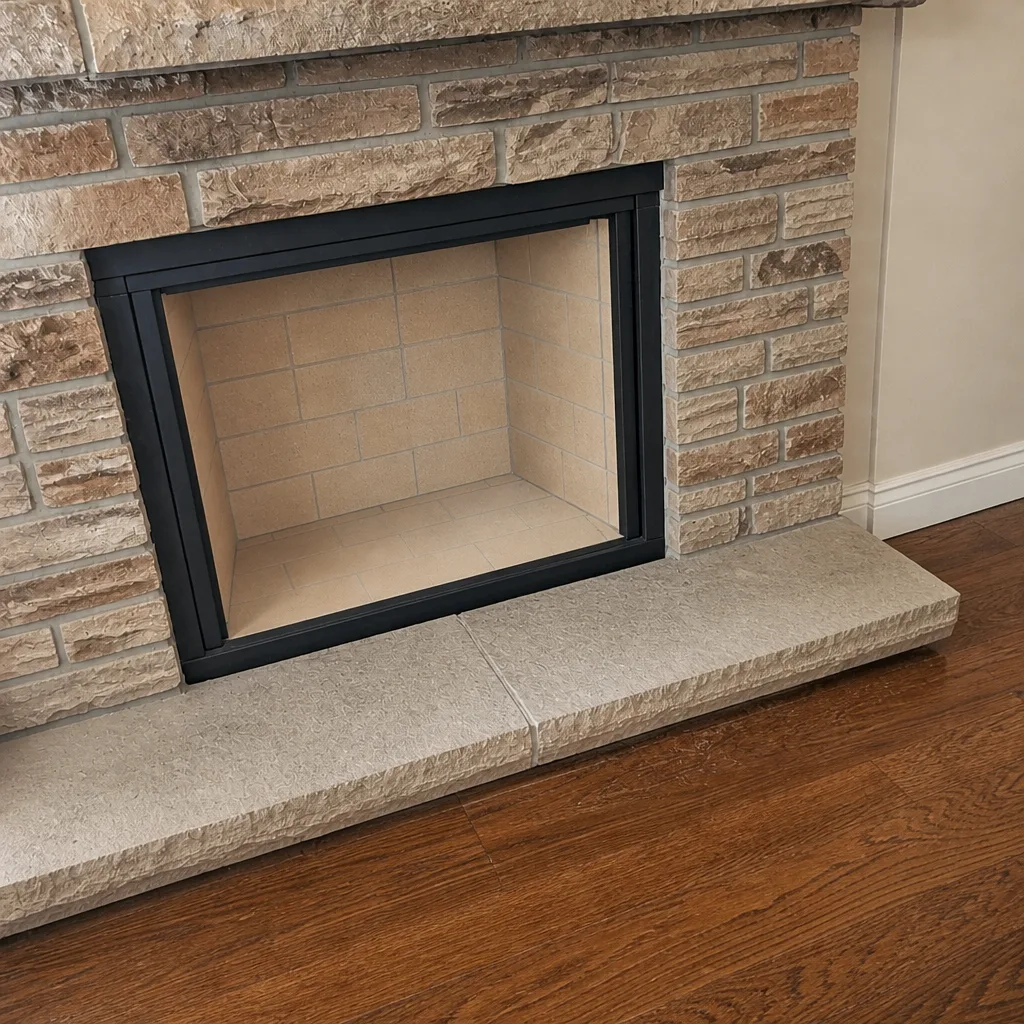 After
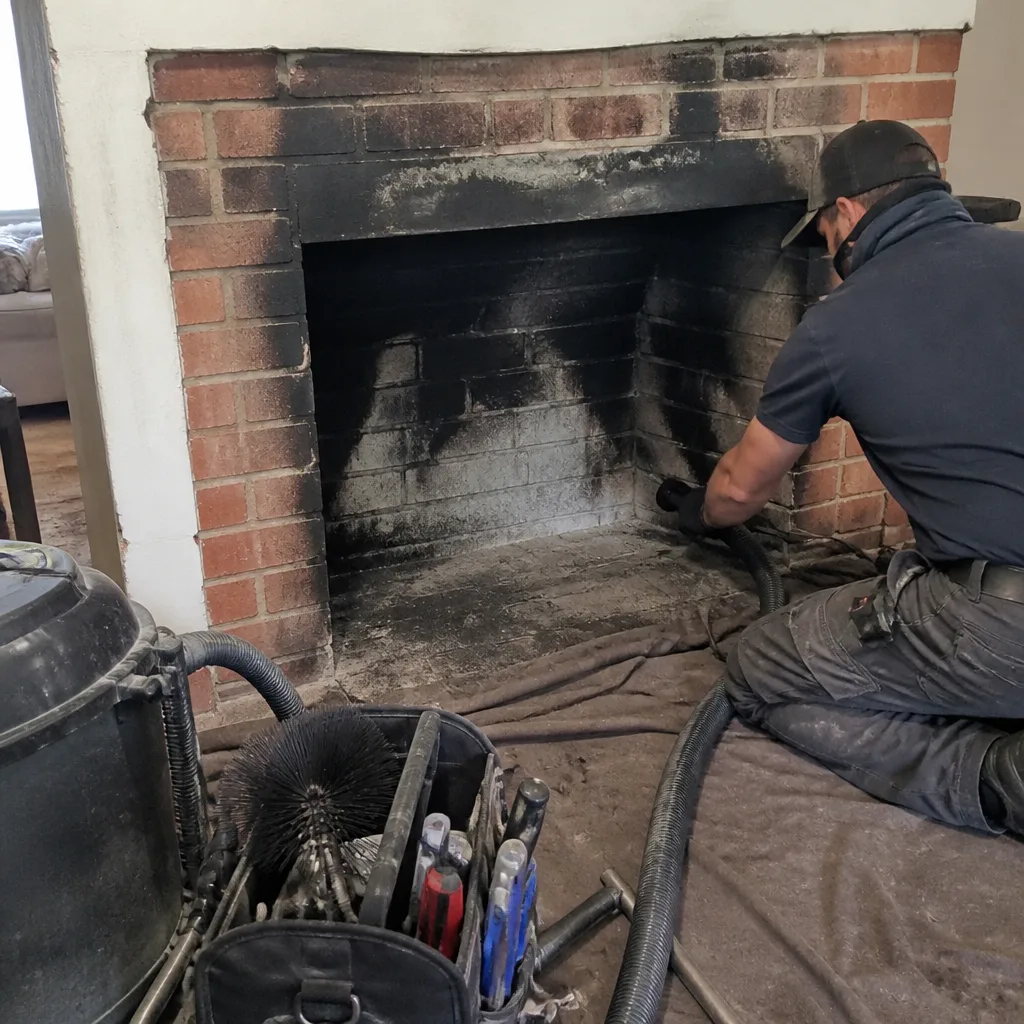 Before
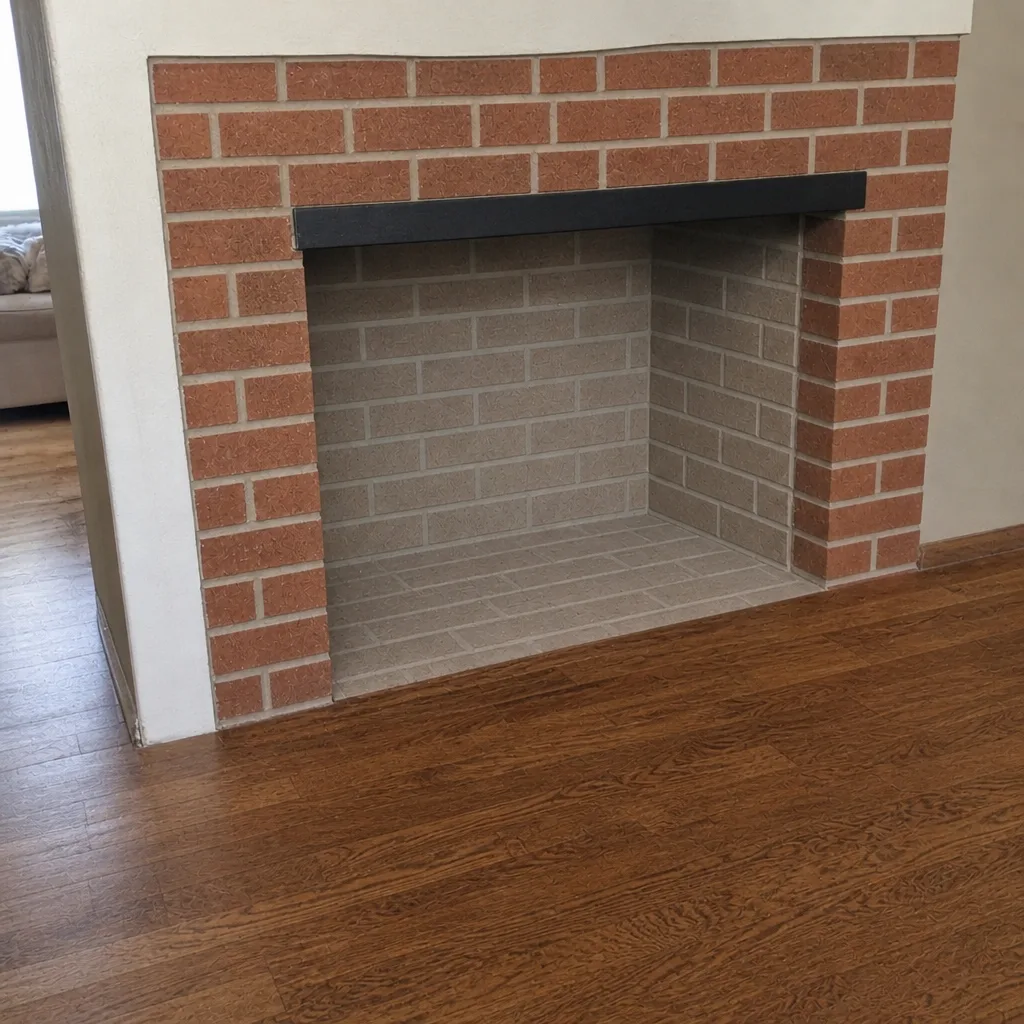 After
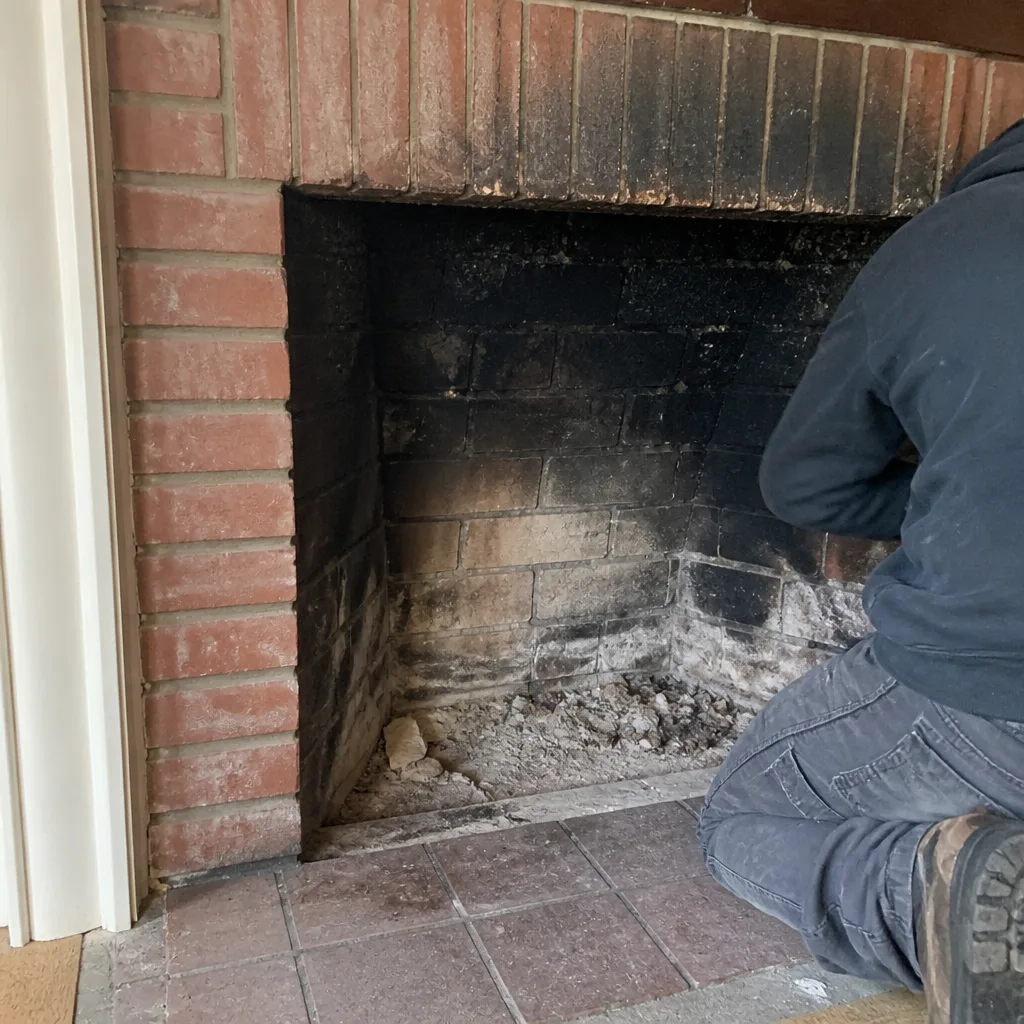 Before
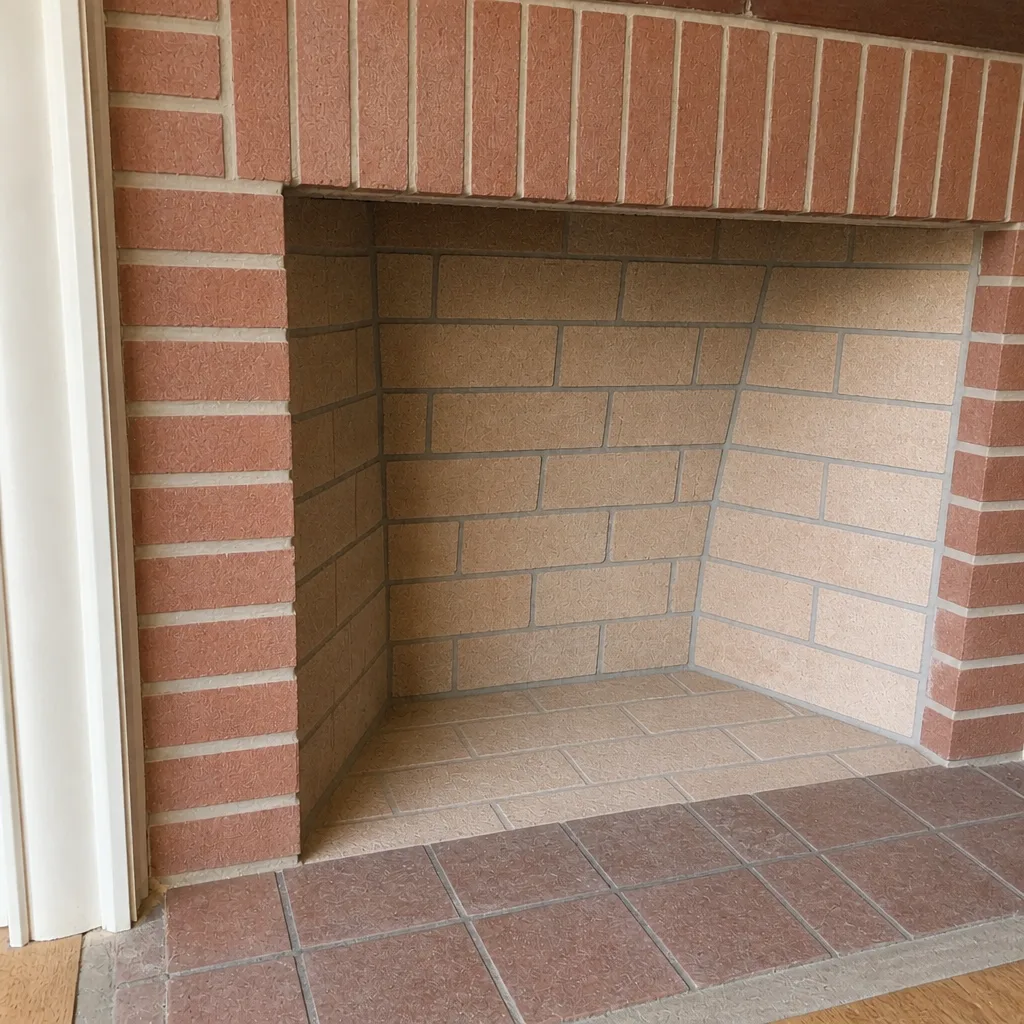 After
When to Call a Professional
Some situations call for a professional visit right away. If smoke backs into the room, a fire won’t draw, you smell strong creosote on warm days, or you see a bird or squirrel going in and out of the flue, book an inspection. If you spot a cracked crown, loose cap, torn screen or water staining after snowmelt, that’s a professional look too, not a wait-and-see. And if it’s simply been a year since the last sweep, it’s time.
A block or a cracked liner can let carbon monoxide into the home, so treat any suspected flue problem as urgent. Our technicians have up to 10 years of experience, and we handle the sweep, the inspection and any repair under one specialist team. Lafayette Chimney Sweep offers free estimates in Lafayette – call (844) 272-3731. We answer 24/7. Fast dispatch from 7am to 7pm, Sunday through Friday.
Frequently Asked Questions
Once a year is the standard for a home that burns regularly, and a professional should also inspect the chimney at the same visit. A Lafayette home that burns hardwood through the heating season should keep to the annual schedule, and a home that burns daily may want the sweep to assess creosote buildup partway through. The annual visit is the anchor; the inspection catches liner or crown issues that a sweep alone wouldn’t flag. Call (844) 272-3731 for an exact quote – estimates are free.
Late summer, ideally July into August, is the best time. It gives you the widest choice of dates before the fall rush, and it leaves time to complete any repair found in the inspection while masonry and coatings cure well and before the first freeze. Booking in fall can leave no room to complete a repair before winter. Call (844) 272-3731 to book your late-summer appointment – estimates are free.
Look at the crown, the cap and the flashing once the snow is off the roof, and check the firebox for water staining. The crown is the first place freeze-thaw damage shows, and a small crack caught early is a spot repair rather than a replacement. White staining on the brick or dampness inside the firebox means water is getting in. If you see any of it, book an inspection. Call (844) 272-3731 for an exact quote – estimates are free.
Yes, but a professional should remove it, not a homeowner. Nesting season runs roughly April through August in Lafayette, and an open flue is a favorite cavity for birds and squirrels. Climbing onto a roof to clear it is a fall risk, and pushing a nest down the flue can pack it tighter or damage the liner. A technician removes the blockage safely and confirms the flue is clear. Call (844) 272-3731 for an exact quote – estimates are free.
Freeze-thaw cycles make small damage grow. A hairline crown crack lets meltwater in, and each freeze widens it, so a summer spot repair can become a crown replacement after a winter. The same holds for a liner crack that might be resurfaced with HeatShield if caught early but could need full relining if it deteriorates through a heating season. Catching it in late summer keeps the repair smaller. Call (844) 272-3731 for an exact quote – estimates are free.
Creosote accumulates in the flue and becomes a fire risk, and a cracked liner or damaged crown can go unnoticed, which means combustion gases may not be venting safely. Neither is visible from the firebox, so a skipped year carries the risk forward unmeasured. A camera inspection during the sweep is the only reliable check. Call (844) 272-3731 for an exact quote – estimates are free.
The Bottom Line
Chimney care in Lafayette is a year-round job, not a single fall appointment. Late summer is the best time for the professional sweep and inspection, because it leaves time to complete any repair before the first freeze. Spring is for checking the crown after snowmelt, summer is for confirming the cap before nesting season, fall is for confirming repairs held and getting ready for the heating season, and winter is for watching draft and burning dry wood. Timing matters because freeze-thaw makes small damage grow, and catching it early keeps repairs smaller. One specialist team handles the whole system, from firebox to cap.
Ready to get your Lafayette chimney on a proper annual schedule? Call (844) 272-3731 for a free estimate. We answer 24/7. Fast dispatch from 7am to 7pm, Sunday through Friday, and we’re closed Saturday. Book the late-summer sweep now so any repair has time to be done right before the first freeze.
Written by the team at Lafayette Chimney Sweep.