
Last updated November 24, 2026
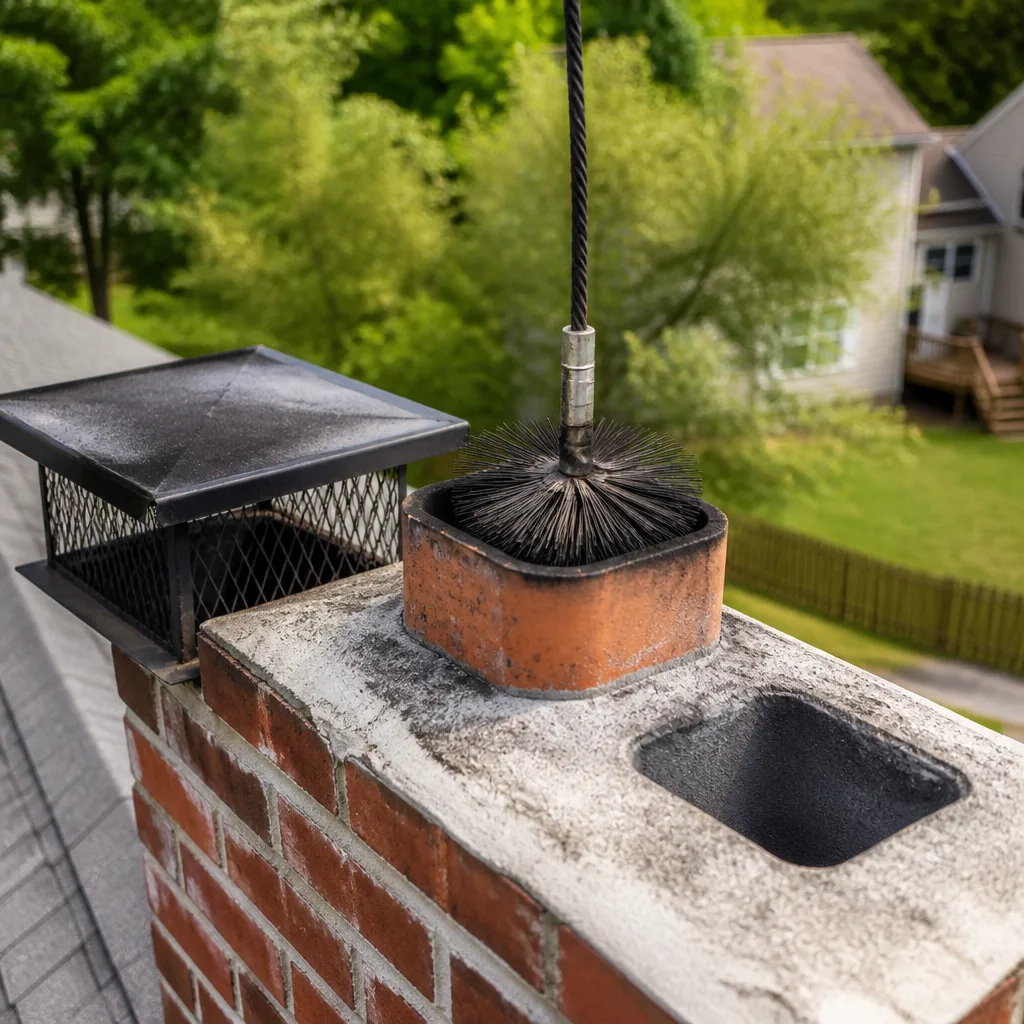 Sweep & inspection
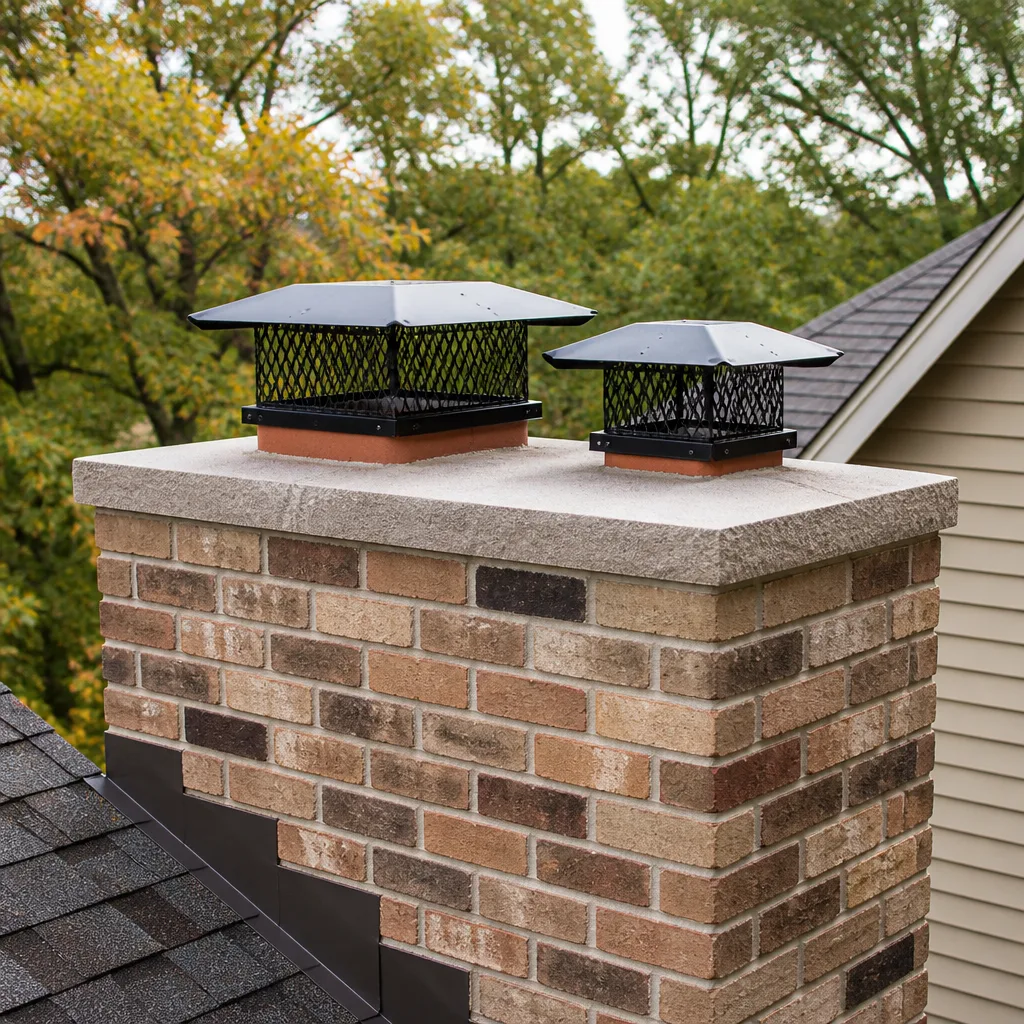 Caps & crowns
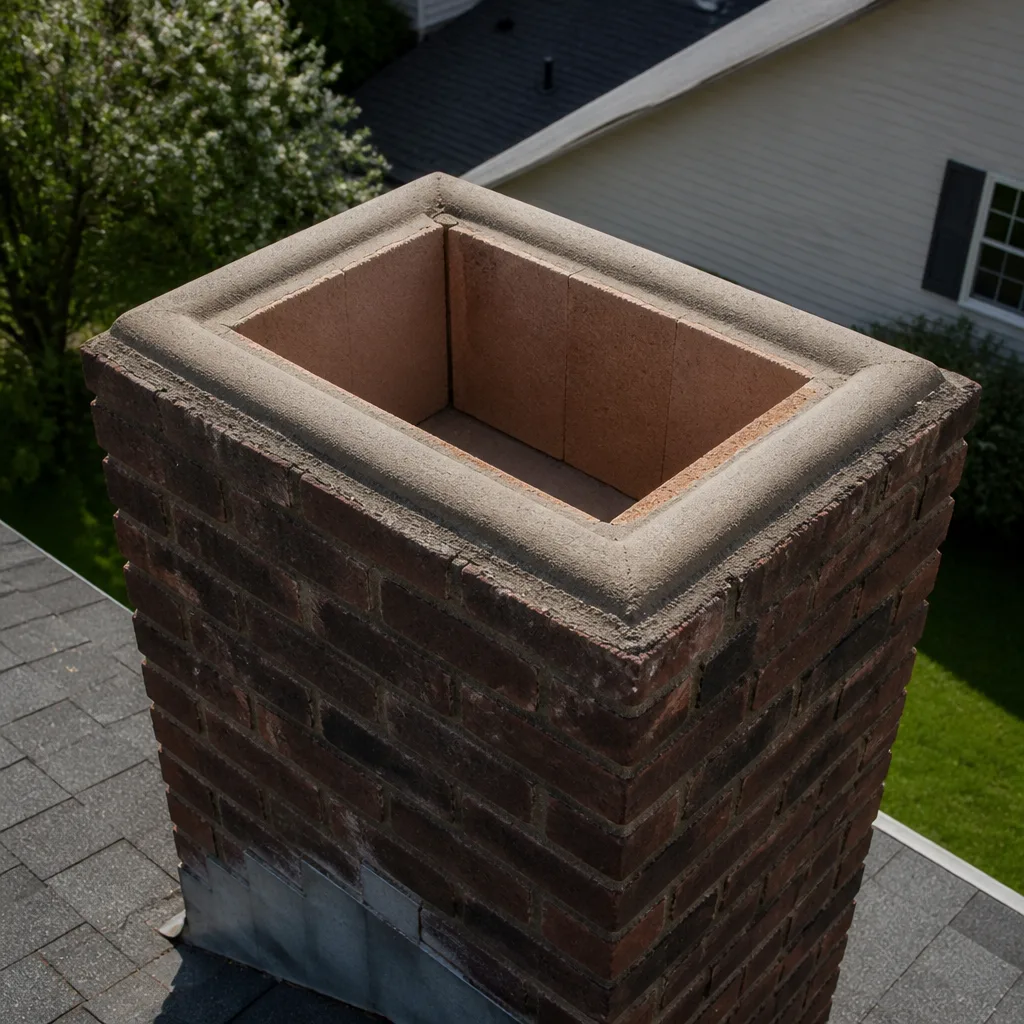 Flue relining
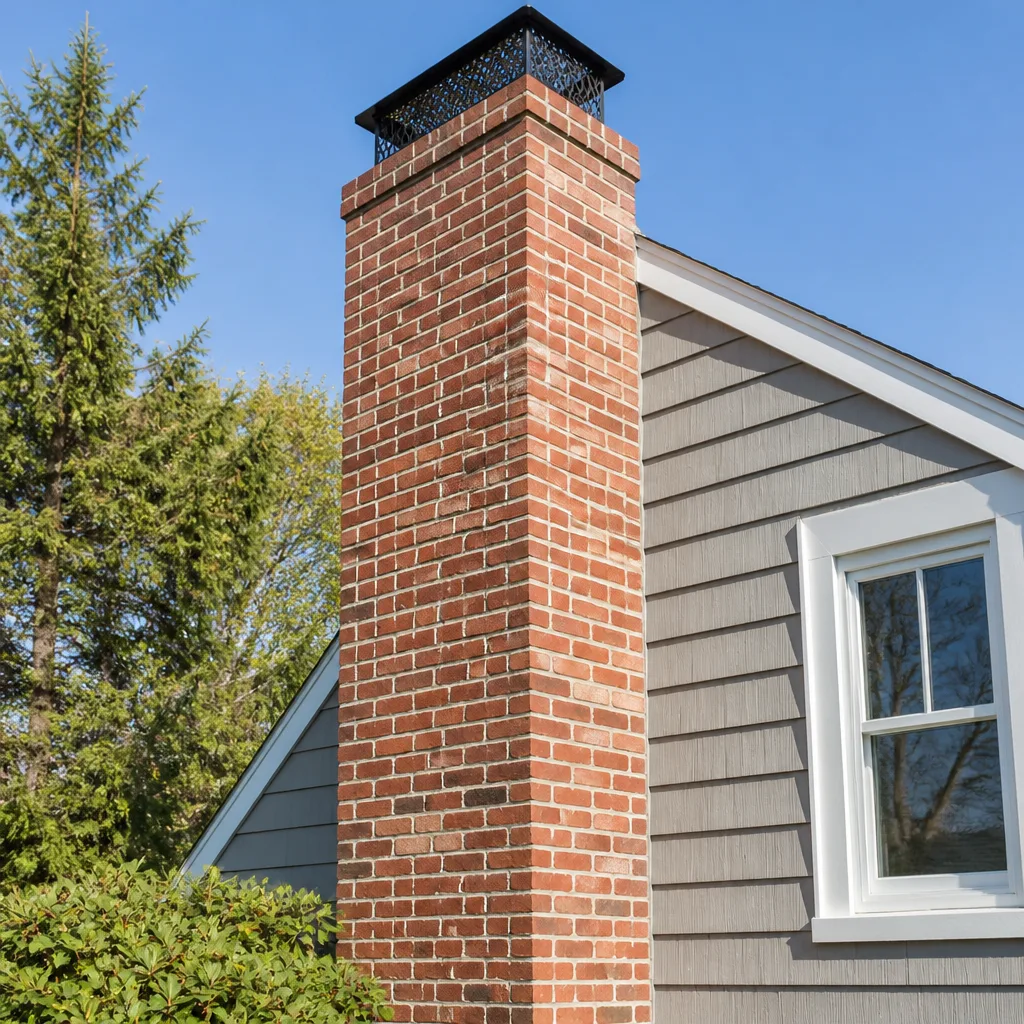 Masonry repair
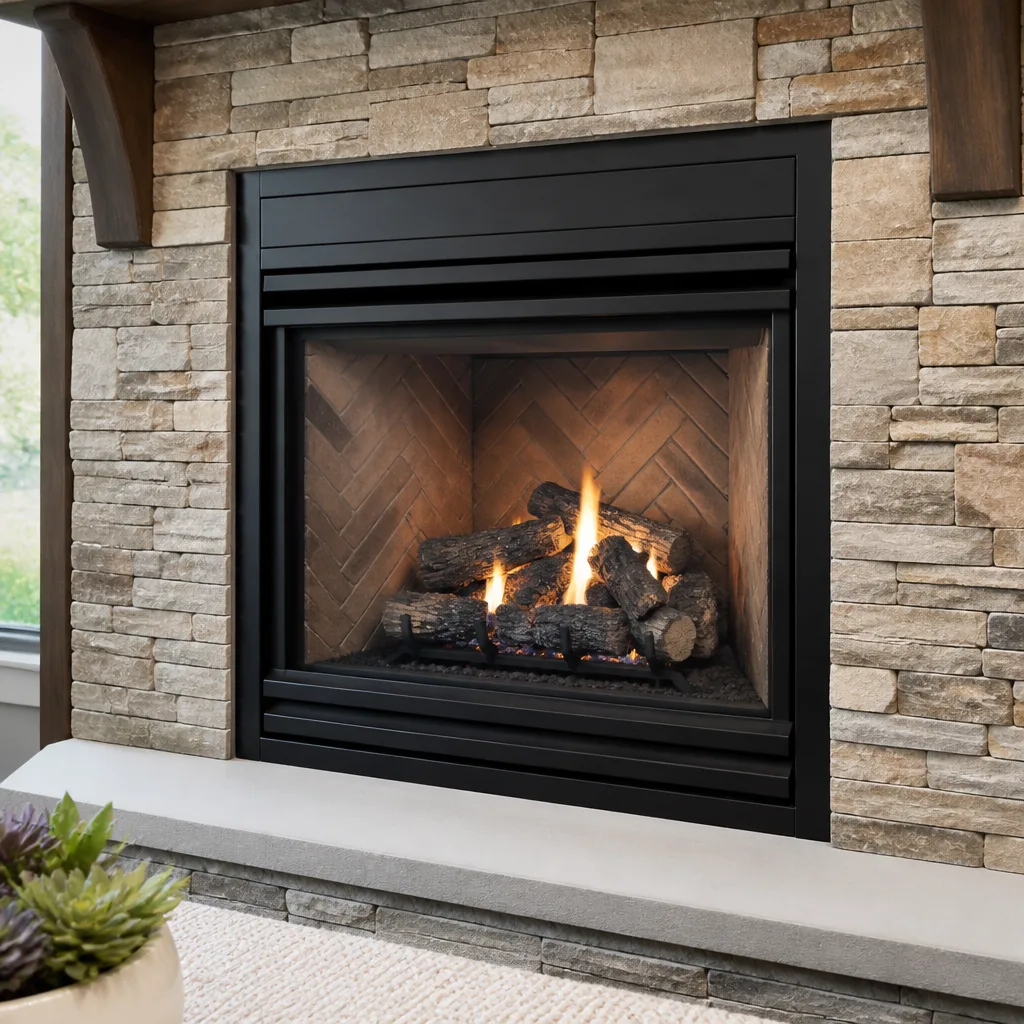 Gas fireplace service
Level 1 sweep and inspection to the NFPA 211 annual standard - flue, crown, cap, and flashing checked and photographed
Chimney sweep logs do not sweep chimneys. They loosen some creosote - which then falls where a brush and vacuum still have to collect it.
Chimney Sweep Maintenance Checklist for Lafayette Homeowners
If you can’t compare this year’s chimney condition to last year’s, you’re not maintaining it – you’re reacting to it. Most homeowners have no written record of their chimney’s history. That means every sweep starts from zero, and small failures compound quietly until a crown crack becomes a water problem and a water problem becomes a liner problem. This guide gives you a repeatable checklist you can run before and after every professional sweep, tuned to the failure points we see in Lafayette’s climate. You’ll learn what to check room by room, what to log year over year, and which findings mean you shouldn’t wait.
Styles & brands we work with
- Sweep & inspection
- Caps & crowns
- Flue relining
- Masonry repair
- Gas fireplace service
Quick Answer
A chimney maintenance checklist for Lafayette homeowners should cover the firebox, damper, smoke chamber, flue liner, cap, crown, and flashing, checked visually each year and documented year over year. Homeowners can safely observe the firebox, cap, crown, and exterior masonry, while flue liner integrity and smoke chamber condition require a trained professional with a camera. The most important habit is writing the findings down so next year’s comparison shows whether the chimney is holding steady or getting worse.
Table of Contents
- Why a Written Checklist Beats an Annual Reminder
- Colorado’s Climate and the Failure Points It Accelerates
- Room-by-Room: What to Check Before a Sweep
- Component-by-Component: What to Check After a Sweep
- Homeowner-Observable vs. Professional-Inspection-Only Items
- How to Log Findings Year Over Year
- Checklist Items That Trigger an Immediate Service Call
- Common Mistakes to Avoid
- When to Call a Professional
- Frequently Asked Questions
- The Bottom Line
Why a Written Checklist Beats an Annual Reminder
A calendar reminder gets your chimney swept. A checklist gets it maintained. Those aren’t the same thing. A sweep removes creosote and soot, which matters, but a sweep by itself doesn’t tell you the crown has a hairline crack or that a mortar joint has recessed a quarter inch since last spring. Without a written record, those changes go unnoticed until they’re expensive.
We’ve seen this play out in Lafayette again and again. A homeowner books a sweep, the technician cleans and leaves, and nobody compares this year’s photograph to last year’s. A new technician shows up a few years later and starts from scratch, because no prior findings exist. The chimney’s history has to live somewhere, and it should live with you.
Documenting each year solves three problems at once:
- Trend detection. One crack in a crown looks like a one-off. The same crack, wider this year than last, is a pattern that tells you the crown needs resurfacing now.
- Continuity across contractors. If you switch specialists or sell the house, the log tells them what they’re dealing with before they climb up.
- Proof for insurance and resale. A record of annual inspection and care makes conversations with insurers and buyers straightforward.
Lafayette Chimney Sweep treats inspection and repair as one job for this reason. When the person inspecting is the person standing behind the repair, there’s no incentive to overstate or understate what the camera shows.
Colorado’s Climate and the Failure Points It Accelerates
Most chimney checklists are written for a generic climate. Ours isn’t. Lafayette sits at the base of the Front Range where snowmelt feeds masonry, freeze-thaw cycles run through winter, and the swing between a warm afternoon and a cold night stresses every joint in the chimney. Three failures show up over and over:
- Efflorescence from snowmelt. Water works its way into brick and masonry. When it dries out, it pushes mineral salts to the surface, leaving a white powdery bloom. Efflorescence is a sign that water is getting in somewhere, usually through a failing crown or open mortar joint, not through the brick face.
- Spalling from freeze-thaw. Water seeps in, freezes, expands, and pops off the face of the brick. A spalled brick loses its protective skin and absorbs even more water next season. Left unchecked, spalling spreads across a chimney’s exterior.
- Mortar joint recession. Freeze-thaw cycles widen and erode the mortar between bricks. Mortar is softer than brick and usually fails first. When joints recede, the crown and the upper chimney courses lose structural grip.
You’ll see all three on plenty of Lafayette chimneys, especially those facing the weather side of the house. The important thing is to notice them early. A cap and crown installation is preventive medicine: it stops water at the top, which is where these problems start. Once water is inside the masonry, the repair gets more involved.
If you see signs of whitening, crumbling, or receding mortar during your annual look, that’s the point to schedule a professional chimney repair evaluation rather than wait for the next sweep cycle.
Room-by-Room: What to Check Before a Sweep
Run this portion of the checklist a few days before your appointment. It takes fifteen minutes, and it gives your technician a head start. You’re looking for red flags, not diagnosing anything.
The Fireplace Room
- Look inside the firebox for cracked brick, loose mortar, or gaps at the seams.
- Check the damper. Does it open and close fully? Does it sit flush when closed? A damper that won’t seal lets heated air escape all winter.
- Look for soot stains on the fireplace surround or the wall above. Stains signal backdraft or a draft problem worth flagging.
- Smell the room when the fireplace is cold. Persistent creosote or smoke odor is worth mentioning on the call.
- Check that the glass doors or screen are intact and seating correctly.
The Chimney Exterior (From the Ground)
- Look at the cap and spark screen from the yard. Is the cap attached and level? Are there gaps?
- Check the crown at the top of the chimney for visible cracks or missing chunks of mortar.
- Look for the white bloom of efflorescence and any flaking brick faces.
- Look at the flashing where the chimney meets the roof for lifting or missing metal.
- Check the roofline around the chimney inside the attic and on the ceiling for water stains, which tell you water is getting in from above.
The Other Rooms
- Run a carbon monoxide detector on every floor and near the fireplace, and test the batteries.
- If you have a gas or wood stove insert, note the model and any visible condition issues.
- Note any change to how the fireplace burns: smoky, drafty, or slow to catch compared to prior years.
Bring this list to your appointment. It helps your specialist know where to focus. If it’s been a while, a fresh chimney sweep is usually step one.
Component-by-Component: What to Check After a Sweep
Run this section after your sweep and inspection, while the findings are still fresh and you have a written report in hand. This is where you verify the work and build the log that makes next year’s checklist meaningful.
- Firebox and damper. Look for cracked or missing mortar. Confirm the damper opens and closes smoothly and seats fully.
- Smoke chamber. Ask what the inspection showed here. This is the sloped area above the damper. Smoothed and correct geometry means less turbulence; rough surfaces collect creosote.
- Flue liner. Review the camera photos. Ask whether any cracks, gaps, or missing mortar in the liner were found, and whether they’re at a joint or in the middle of a tile run.
- Chimney cap. Confirm the cap is secure, level, and open enough for draft. A tight or blocked cap restricts airflow.
- Crown. Check that cracks are documented and any resurfacing noted. If HeatShield was applied to the flue, the record should include the product and area.
- Flashing. Confirm the flashing is seated, secured, and sealed where it meets the roof and the chimney.
- Exterior masonry. Note any spalling or mortar joints that receded further this year.
Take photographs of what you can see from the ground and from inside the fireplace room. File the inspection report, photos, and your notes in one folder. This is the record that gives every future technician and contractor a running start.
The full service lineup at Lafayette Chimney Sweep covers the sweep, the inspection, and any repair from firebox to crown. That means the same team that inspects can follow through on what the report recommends.
Homeowner-Observable vs. Professional-Inspection-Only Items
One of the most useful things a checklist can do is tell you where you should look and where you shouldn’t. Not everything on your chimney is accessible or safe to evaluate yourself. Know the difference.
Homeowner-Observable
- Exterior crown: visible cracks, missing mortar, or sunken edges from the ground or a wide-angle photo.
- Chimney cap: present, level, secure, and clear of debris.
- Visible flashing: any lifting, missing, or rusted metal at the roof line.
- Visible exterior masonry: efflorescence, spalling brick faces, and receding mortar joints.
- Interior firebox surfaces: cracked brick or loose mortar within reach, not beyond.
Professional-Inspection-Only
- Flue liner integrity: a camera run through the flue is the only reliable way to see the full length of the liner.
- Smoke chamber condition: needs the flue and firebox opened up to view properly.
- Draft and ventilation performance: measured with tools and test conditions, not the naked eye.
- Hidden masonry behind the exterior skin: structural questions underneath the visible surface.
- Chimney roof-level and crown high up: a professional can safely access the top and inspect it in a way no homeowner should attempt.
Real safety matters here. Going up on a roof to look at a cap or crown, or trying to open a flue to troubleshoot a draft, is not a homeowner job. A trained professional has the safe access, and the experience to spot what a casual look would miss. Our technicians have up to 10 years of experience running these inspections, and they know what a small crack looks like before it becomes a bigger repair.
How to Log Findings Year Over Year
The log is the part almost everyone skips. It’s also the part that makes everything else worth doing. A well-kept log lets a new technician understand your chimney’s history in a minute or two, instead of starting blind. Here’s a simple structure you can keep in a folder or a notes app.
- Header. The date of the sweep, the name of the specialist team, and the scope of work completed.
- Condition notes by component. One short line per item: firebox, damper, smoke chamber, flue liner, crown, cap, flashing, exterior masonry, and interior surfaces. Use a consistent order, so you can compare across years.
- Photos. Ground-level shots of the chimney and the roof line, plus any images the inspector provided.
- Findings timeline. Note any issue that appears more than once, and whether it got worse.
- Repairs made. What was repaired, what materials were used, and the date. Brand and method matter later. If HeatShield resurfacing was applied to the flue, note that. If a DuraFlex liner system was installed, note that too.
- Next-year watch list. Two or three items to keep an eye on. This becomes the top of the next year’s report.
Keep this log whether or not you stay with the same specialist year after year. It travels with the chimney. When you eventually sell the house, or if you switch providers, the log gives the next team the history in a usable form.
Checklist Items That Trigger an Immediate Service Call
Most findings can wait for a scheduled sweep. Some can’t. If you spot any of the following during your annual look, call for a professional evaluation now.
- Creosote buildup at the top of the firebox or in the flue. Glazed or tar-like creosote is highly combustible.
- A carbon monoxide detector reading near the fireplace. This is a serious sign. Call us and call your gas utility as needed.
- A collapsed or separated flue liner tile. A piece of the liner visible in the firebox, or a chunk missing from the flue with the camera, needs to be addressed before the fireplace is used again.
- Cracked or missing crown chunks with water staining in the attic or ceiling. Water is currently getting in.
- Crumbling brick or mortar at the top of the chimney. Structural concern that needs an inspection.
- Smoke entering the house during normal use. Clear draft failure that could be a blockage, a cap issue, or something else that needs eyes on it.
- The smell of creosote or smoke coming from the chimney when no fire is lit. This can mean draft reversal or buildup, and shouldn’t be ignored.
Our technicians have up to 10 years of experience diagnosing issues like these. If it’s something you’d rather not wait to sort out, call (844) 272-3731. We answer 24/7. Fast dispatch from 7am to 7pm, Sunday through Friday.
Common Mistakes to Avoid
- Skipping the exterior because it isn’t visible from inside. The crown, cap, and flashing are the front line against water, and water is behind most of the masonry damage we see on Lafayette chimneys. Look at them from the ground once a year.
- Treating a sweep as an inspection. A sweep cleans the flue. It doesn’t document the liner, smoke chamber, or hidden masonry. Ask for both as part of the visit.
- Waiting until midwinter to call. A chimney that hasn’t been checked in a season or two should be booked before the first burn, not in January when you want to light a fire.
- Assuming a cheap quote means the inspection is included. Ask what the quote covers, whether the inspection uses a camera, and what report you’ll receive.
- Rebuilding the crown or repairing masonry with the cheapest material on the shelf. We specify professional-grade industry products like Copperfield, Famco, DuraFlex, and HeatShield because these are what hold up in our climate. Most “repaired” crown failures we see are materials that were never designed to last more than a season or two.
- Not writing anything down. A sweep with no record means next year starts from nothing. Keep the log and bring it to every visit.
- Trying to inspect the flue or roof yourself. The flue and roof access are not homeowner territory. Use the goal of your checkup to flag what needs a professional look.
When to Call a Professional
Call a professional if you find any of the immediate-call items above, if your sweep is overdue, or if you can’t remember the last time the flue liner was checked with a camera. Also call if you’re seeing water stains in the attic or ceiling, if the fireplace burns poorly compared to last year, or if you’re buying a home in Lafayette and need a chimney looked at before closing. A professional chimney inspection gives you a document you can trust, from a team that also performs the repair. Lafayette Chimney Sweep offers free estimates in Lafayette – call (844) 272-3731.
Frequently Asked Questions
Most Lafayette chimneys used regularly for wood should be swept once a year, or sooner if creosote buildup is heavy. The right cadence depends on how much you burn and how cleanly the fire burns. A yearly inspection tells you whether you need a sweep and whether the flue liner needs attention, and that’s a safer approach than guessing.
Call (844) 272-3731 to book a sweep and inspection. We answer 24/7.
You can safely check homeowner-observable items like the exterior cap, crown, and visible flashing from the ground, and the firebox and damper from inside the house. The flue liner and smoke chamber require a trained professional with a camera. If you’re unsure, call us and we’ll tell you what needs a professional look.
Efflorescence is water that has moved through the masonry and left mineral salts on the surface as it dried, so it means water is getting in somewhere. In Lafayette’s snowmelt and freeze-thaw conditions, the most common culprit is a failing crown or open mortar joints at the top of the chimney. It isn’t harmless on its own, but it usually points to a repair you should plan for.
Call (844) 272-3731 for a free estimate on the inspection and any repair. We answer 24/7.
Log the date, the team, the scope of work, condition notes by component, photos, repairs made with materials used, and a short watch list for next year. The point is a usable history a new technician can read in a minute. Keep the log with your inspection report and bring it to every visit, especially if you’ve moved or switched providers.
No. A sweep removes creosote but doesn’t evaluate the flue liner, smoke chamber, or hidden masonry. A quick sweep with no inspection means you don’t know whether the liner needs resurfacing with HeatShield or a full reline with DuraFlex, or whether the crown needs attention before winter. Ask for the inspection every time.
Call (844) 272-3731. Estimates are free.
A fireplace repair addresses the firebox and the surfaces around it. A chimney repair covers the structure above: the crown, cap, flashing, exterior masonry, and the flue itself. Since failures often start in one place and affect the other, the same team looking at both together makes the recommendations more reliable. That’s why we handle both under one roof.
The Bottom Line
A good chimney maintenance checklist is a documentation habit, not a one-time task. It’s the record that tells you whether your chimney is getting better or worse each year in Lafayette’s snowmelt and freeze-thaw conditions, and it’s the reference a new technician can rely on. Run the pre-sweep look, write down the post-sweep findings, keep the photos, and note repairs in detail. If you spot any of the immediate-call items, don’t wait. A clean chimney is a safe chimney, and a capped, crowned chimney stays that way.
Call (844) 272-3731 for your free estimate. We answer 24/7. Fast dispatch from 7am to 7pm, Sunday through Friday.
Written by the team at Lafayette Chimney Sweep.
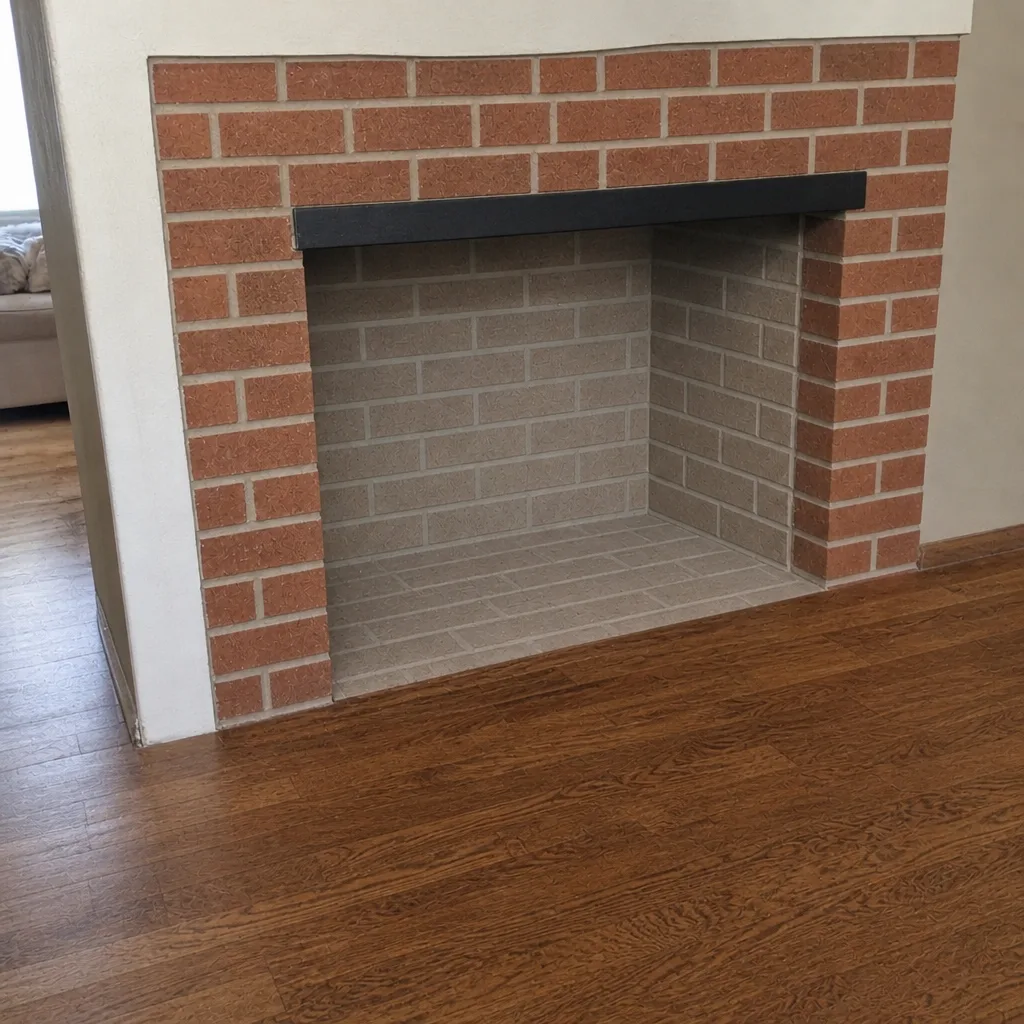
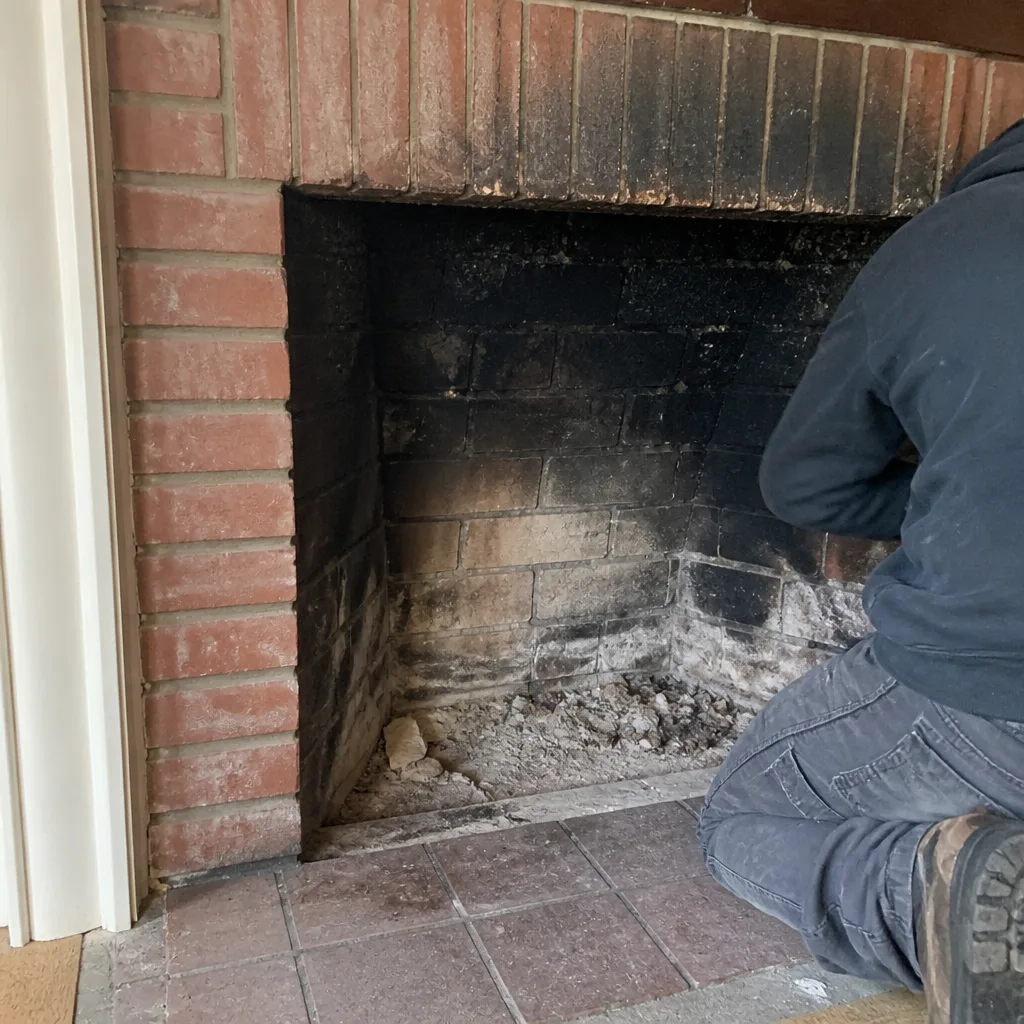
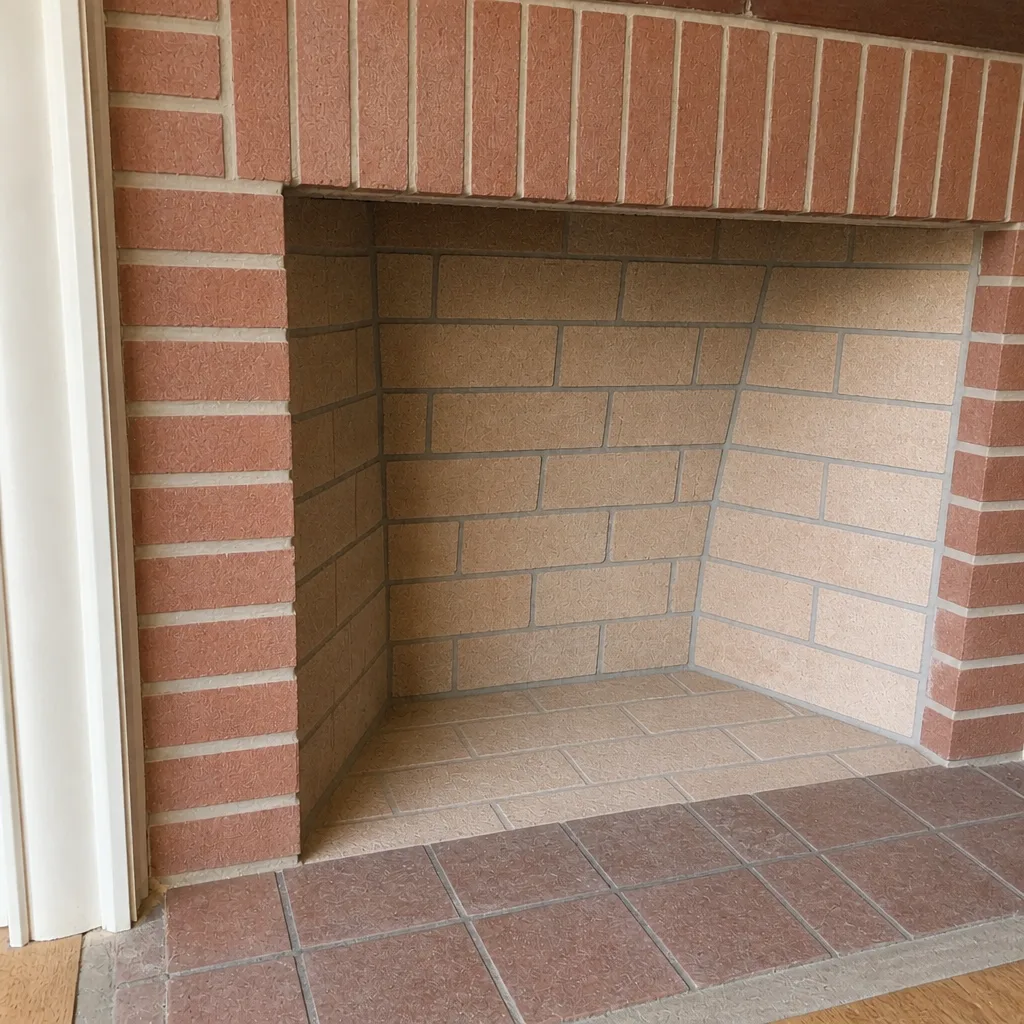
See the difference
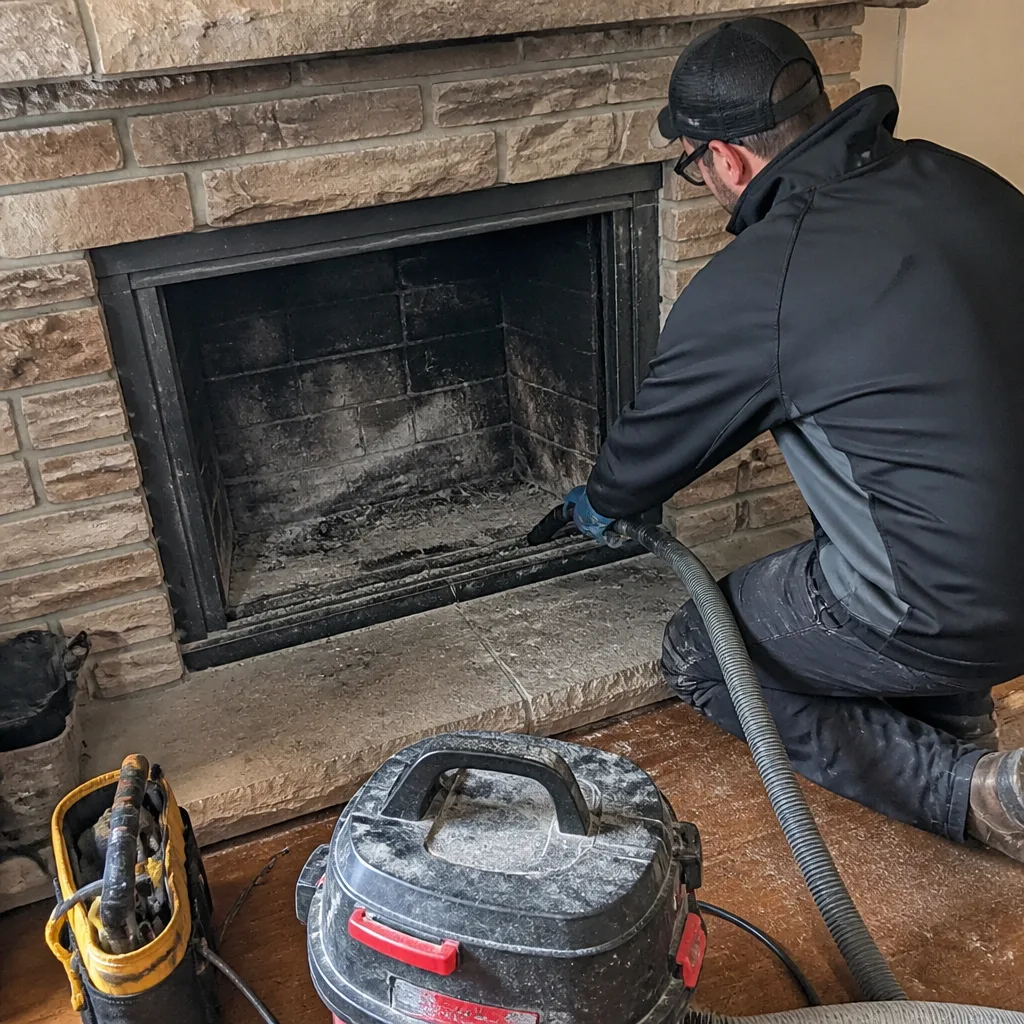 Before
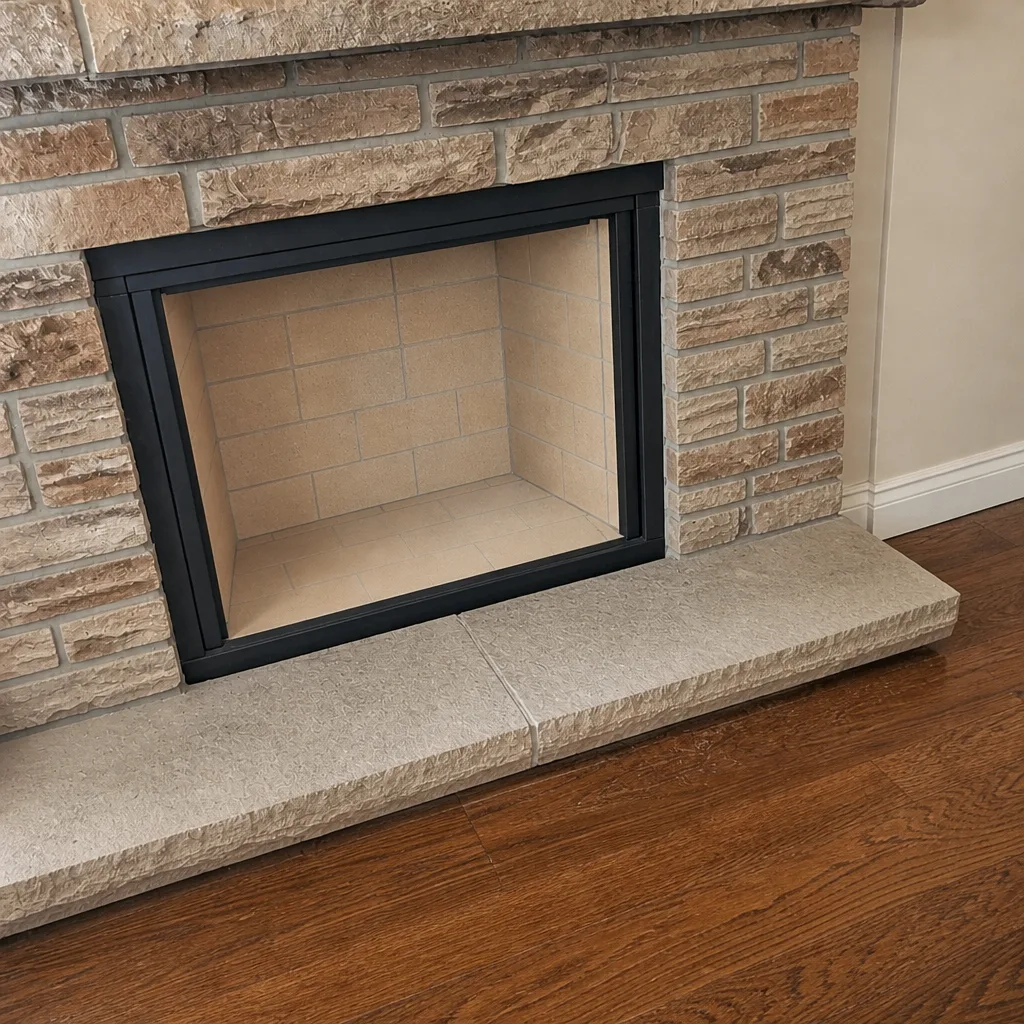 After
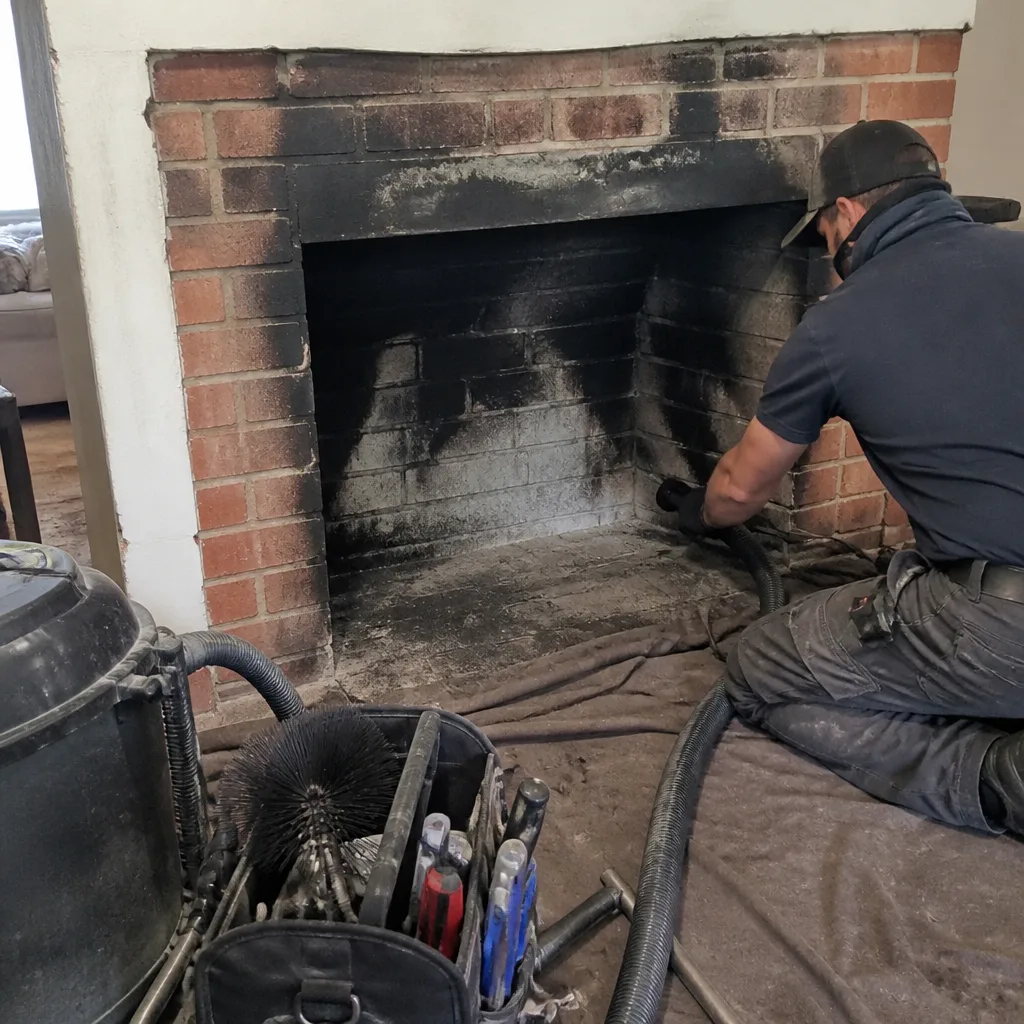 Before
 After
 Before
 After