
Emergency Chimney Sweep Near Me: What Lafayette Homeowners Should Do First
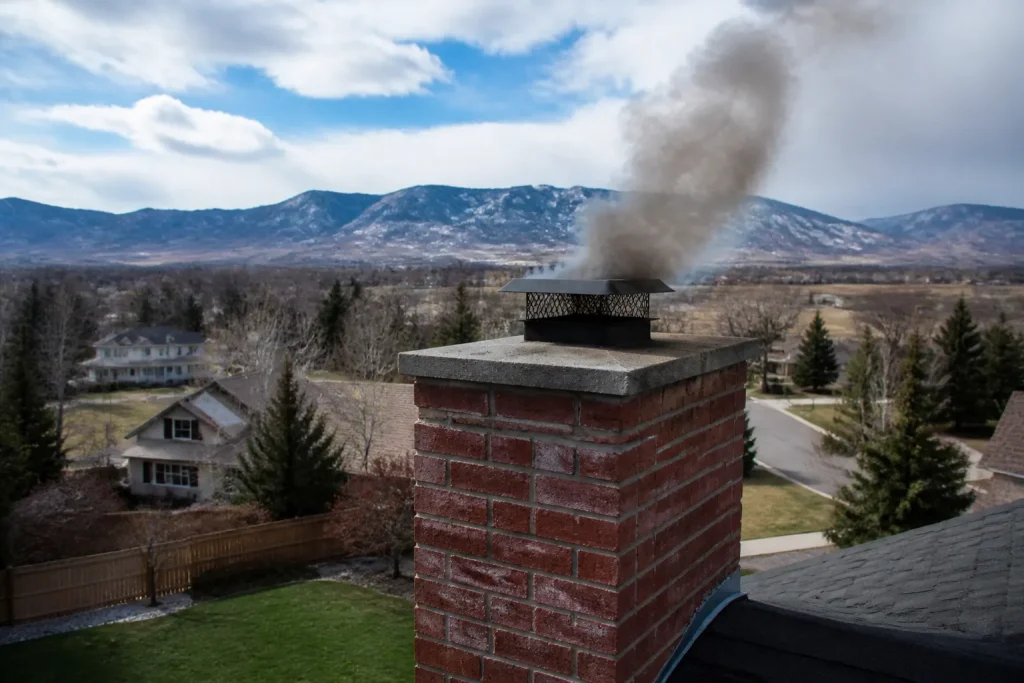
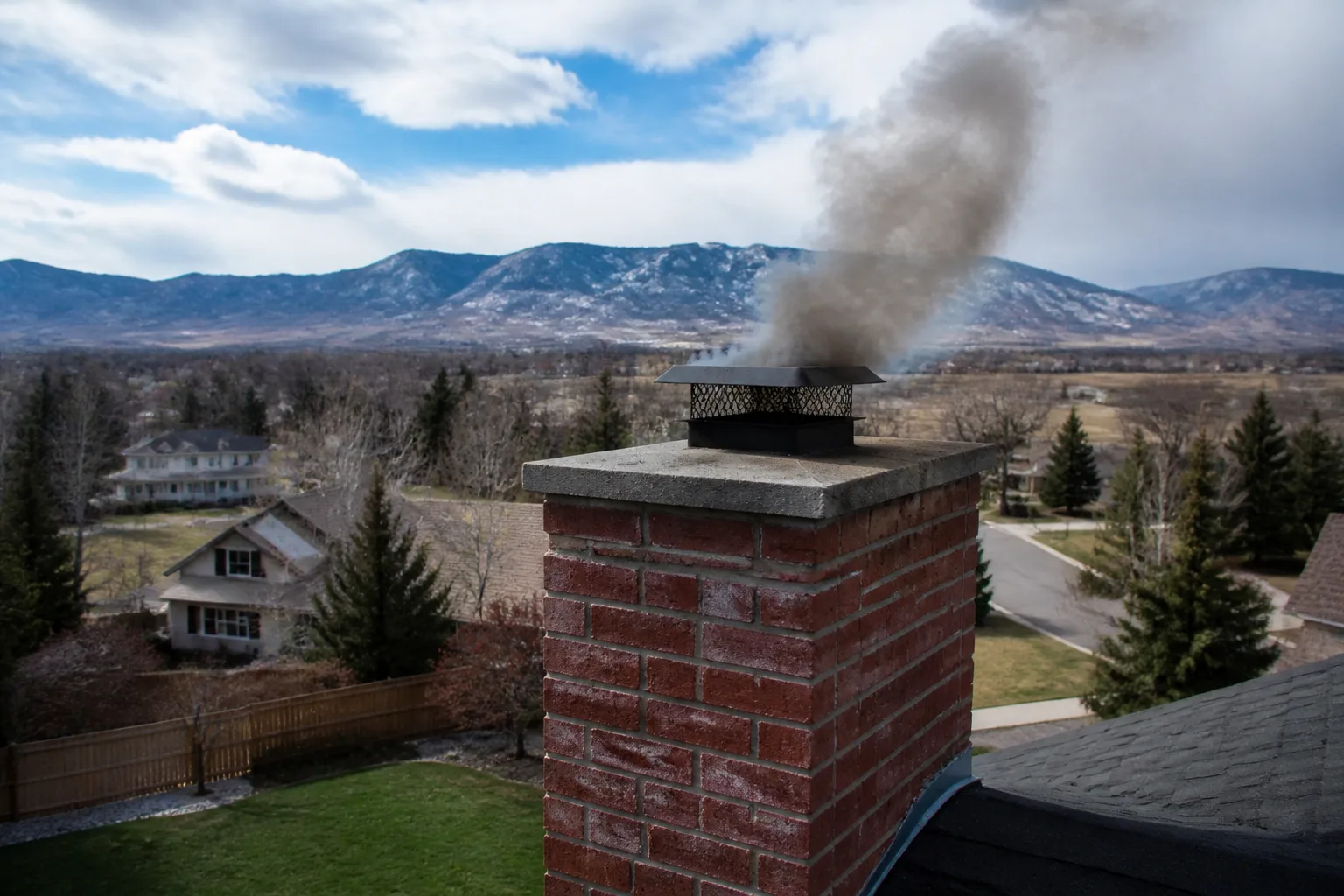
If you can hear a roaring sound inside your chimney and the flue pipe is glowing, you have an active chimney fire. Calling a sweep is the second call you make, not the first. The fifteen minutes before anyone arrives matter more than most homeowners realize, and the right moves contain damage while the wrong ones create brand-new hazards. This is a pre-call action protocol for Lafayette homeowners, not a pitch about response times.
Read it now, before you need it. If you’d rather not sort through a scare on your own, call (844) 272-3731 and we’ll walk you through what to do while help is on the way.
What should you do first if you think your chimney is on fire?
Close the damper, get everyone out of the house, call 911, then call a chimney specialist. That order is not negotiable, and here’s why it works: closing the damper starves the fire of the oxygen it’s pulling up the flue, evacuating protects the people in the house, and 911 brings the fire department, who are the only ones equipped to confirm the fire is out and check for fire spread into the walls or attic. A sweep comes after the fire is confirmed out, to find out what the fire did to your flue.
The instinct to grab a garden hose and spray water down the chimney is the one we hear about most, and it’s the wrong move. Water hitting a flue that’s several hundred degrees can crack tile and send steam and debris back at you. You also don’t want to be standing near a hot flue managing a hose. Let the fire department handle suppression. Your job is to get out and stay out.
Once the fire is out, the follow-up call is where the real work starts. A chimney fire can damage a flue liner in ways you cannot see from the firebox. A camera inspection after the fact tells you whether the flue is still safe to use. Anyone recommending liner work before that inspection has skipped a step.
Chimney fire, blocked flue, or cracked tile: how do you tell them apart?
Each of these problems sounds and behaves differently, and they call for different responses. A chimney fire is loud and hot. A blockage is quiet and smoky. A cracked flue tile usually shows up as a slow problem: smoke that won’t draw, a smell in the room, or debris on the firebox floor. Knowing which one you’re facing tells you whether you need to evacuate, whether you can wait for a scheduled visit, or whether you should stop using the fireplace entirely until someone looks at it.
Here are the sensory indicators to sort them out:
- Active chimney fire: a low roaring or rumbling sound like a freight train, a glowing or discolored flue pipe, dense smoke or flames at the top of the chimney, and a hot chimney breast you can feel on the wall. This is a 911 call.
- Blocked flue: smoke rolling back into the room instead of going up, a weak fire that struggles to stay lit, a strong creosote or soot smell, and sometimes soot staining around the damper. Stop using the fireplace and get it inspected before the next fire.
- Cracked flue tile: no big drama, just smoke that doesn’t draw right, a persistent odor even when the fireplace is cold, or pieces of tile or mortar in the firebox. This can let carbon monoxide and heat reach framing, so the fireplace stays off until a specialist inspects it.
If you’re not sure which category you’re in, treat it as the more serious one. That’s not overcautious; it’s the cheapest way to stay safe.
What should you document before a technician arrives?
Take photos. Photos of smoke staining on the chimney breast or the wall around it, debris in the firebox, the location of any water intrusion, and how the fire and smoke behaved before you shut things down. These details give the technician a head start and make the diagnosis faster and more accurate. On a same-day visit, an accurate starting point is worth a lot.
What to capture, specifically:
- Any smoke staining on walls, the ceiling, or the chimney breast, from a few angles if you can.
- The firebox floor, showing debris, fallen tile, or unusual soot patterns.
- Water intrusion, if you have any: where it’s coming in, and whether it tracks down the flue or shows up around the crown.
- Any visible damage at the cap or crown from the ground or a safely accessible window, without climbing anything.
Don’t put yourself on the roof to get the shot. Don’t reach into the firebox while anything is still hot. The point is evidence, not risk. A technician with a camera and a photo report can see the inside of the flue; your photos just tell the story of what happened in the room, and that context shortens the conversation.
Why high-wind events make chimney inspection a legitimate emergency in Lafayette
Lafayette sits close to the Front Range fire weather corridor, and the same high-wind patterns that raise fire danger elsewhere push wind-driven debris, grit, and even sparks down open chimneys here. A wind event can drop debris into a flue, loosen a cap, or crack a crown. Those aren’t cosmetic problems. A loose cap lets water and animals in; a cracked crown lets water into the masonry, which is where real chimney damage starts. This makes a post-wind inspection its own category of urgent visit, not an optional add-on.
After a strong wind day in Lafayette, check from the ground for a cap that’s sitting crooked or missing, and for debris visible in the firebox. If you find either, stop using the fireplace until someone looks at it. The same applies if you smell smoke in the house when the fireplace isn’t lit. That’s the one odor you don’t want to troubleshoot on your own.
We’ve seen enough wind damage over the years to know that a small cap problem turns into a masonry problem faster than most homeowners expect. A capped, crowned chimney stays that way through the seasons; an open one doesn’t. When you’re ready to look at cap and crown work, we install professional-grade components from brands like Copperfield and Olympia Chimney, and we do the inspection and the repair with the same team so nobody has to hand you off to someone else.
What does an emergency sweep actually cover, and what needs a follow-up visit?
A same-day sweep can assess and clear what’s accessible and safely visible that day: soot and creosote removal, a visual inspection of the firebox and damper, a check of the cap from the ground or roof as conditions allow, and a camera look at the flue in most cases. What it usually can’t finish is the deeper repair work: relining a damaged flue, resurfacing it, rebuilding a crown, or masonry repair. Those are scheduled jobs. A good technician tells you plainly which side of that line each problem falls on, and which items can safely wait.
That distinction is the whole point of an “emergency” visit. The urgent question is: is this safe to use tonight, or not? Getting a clear answer is worth the visit. Getting an honest answer, with camera evidence you can see yourself, is worth more. Any recommendation should come with a photo you can look at, not just a description. If work can safely wait, we’ll tell you that, too.
For existing liner damage, HeatShield resurfacing is worth asking about. It can often restore a flue instead of replacing it, which saves real money compared to a full reline. When a liner truly needs replacing, we specify DuraFlex systems, which is what the trade relies on. Restore before you replace when the damage allows it; replace when it doesn’t.
If you’re lining up chimney service in Lafayette after a scare or a windstorm, or you just want to get ahead of the season, our chimney sweep page walks through what a scheduled visit covers. We also handle fireplace repair and chimney repair when the inspection turns up something that needs fixing. And if you want the full picture of how we work, start at Lafayette Chimney Sweep.
When to call a pro instead of handling it yourself
Call a professional whenever you see or smell something you can’t explain. Cracked flue tile, a blocked flue, and hidden fire damage are all problems that can look minor from the firebox and serious from inside the flue. Creosote buildup is the other one. A flue with heavy creosote is a fire waiting for a spark, and the only reliable way to know how much is in there is to have it swept and inspected. Your nose and your eyes tell part of the story; a camera tells the rest.
Our technicians have up to 10 years of experience, and they know the difference between a swept chimney and a safe one. We use the same professional-grade industry materials the trade counts on, including DuraFlex, HeatShield, Gelco, and Olympia Chimney, so nothing in your repair comes down to whatever happened to be on a big-box shelf. If something looks off in Lafayette and you’re not sure whether it’s urgent, call and describe it. We’ll tell you whether it can wait for a scheduled visit.
The Bottom Line
The order matters: close the damper, evacuate, call 911, then call a chimney specialist. Photograph what you can see, don’t hose down a hot flue, and don’t light another fire until the chimney has been inspected. Once the fire is out, an emergency sweep finds out what the incident did to your flue and tells you honestly whether you can use the fireplace tonight or whether it needs to wait for repair.
If you’re in Lafayette and need help, Lafayette Chimney Sweep offers free estimates. Call (844) 272-3731. We answer 24/7. Fast dispatch from 7am to 7pm, Sunday through Friday. Every price is set per job by a written estimate, and every recommendation comes with camera evidence you can see for yourself.
Frequently Asked Questions
Call 911 first. A chimney fire can spread into walls and framing, and the fire department is the only one who can confirm it’s fully out. Call a chimney specialist after that to inspect the flue for damage the fire may have caused. Call (844) 272-3731 once the fire is out and we’ll get an inspection on the books.
Not until the flue has been inspected. A fire can crack tile and loosen mortar in ways you can’t see from the firebox, and using the fireplace again before that’s checked risks carbon monoxide and heat reaching your framing. Wait for the inspection, then decide. Call (844) 272-3731 to schedule one.
The clearest signs are smoke rolling back into the room instead of drawing up, a fire that struggles to stay lit, a strong soot or creosote smell, and soot staining near the damper. Any of these means stop using the fireplace and get it checked. Call (844) 272-3731 for an inspection before your next fire.
Yes, when the wind has been strong. High winds near the Front Range corridor can drop debris into the flue, loosen a cap, or crack a crown, and a cracked crown is how water gets into the masonry. If you notice a crooked cap or debris in the firebox, stop using the fireplace and call (844) 272-3731.
Written by the team at Lafayette Chimney Sweep.
Need Chimney Cleaning Help?
Call Lafayette Chimney Sweep - the local pro we connect you with is licensed and insured, here with fast help in Lafayette.
(844) 272-3731