
Top Signs You Need Chimney Cleaning Service – Don’t Ignore These
The signs that a chimney needs cleaning are mostly sensory and behavioral, not visual. Long before you see a problem, your fireplace tells you about it: in how the fire lights, how the smoke behaves, how the room smells on a cold morning. The single most common mistake we see is waiting for something that looks alarming. Chimneys rarely announce themselves that way. They whisper. If you’d rather not climb up a flue with a flashlight this weekend, call (844) 272-3731 and we’ll take a look.
There’s a second mistake worth naming right here. A white haze on the inside of your fireplace glass isn’t a cleaning problem. It’s a combustion efficiency problem, and wiping the glass won’t fix it. Knowing the difference between a symptom and its cause is what this guide is about.
Key Takeaways
- The most reliable warning signs are smells, draft behavior during a burn, and how the fire itself looks.
- Glazed black deposits inside the firebox point to advanced creosote, which is a fire hazard, not a stain.
- Visible daylight through flue tile joints means stop burning until a technician inspects.
- October and March in Lafayette are when problems show up most clearly – the first and last fires of the season stress the system differently.
- Every recommendation should come with camera evidence you can see for yourself.
What Your Nose Is Telling You (And Most Homeowners Miss)
Smell is the most underrated diagnostic tool a homeowner has. Three distinct odors correspond to three very different mechanical situations, and they’re easy to confuse if you haven’t learned to tell them apart.
A musty, dusty, closed-up smell from a flue that hasn’t been used recently usually means moisture and stale air trapped in an unused chimney. It’s common in summer when the house is sealed and the flue is capped. It’s not automatically dangerous, but persistent dampness can point to a cap or crown problem letting water in – which is why we look at the top of the system, not just the firebox.
A sharp, tarry, almost asphalt-like smell is creosote. This is the one to take seriously. Creosote forms when smoke cools before it leaves the flue, and it accumulates in stages. A strong tar odor, especially in a chimney you haven’t burned in recently, can indicate the glazed stage of creosote – the kind that fuels chimney fires. Smelling it on a warm day, when the fire’s been out for hours, is a stronger signal than smelling it during a burn.
A sour, acrid, or distinctly animal smell usually means debris or an animal nest blocking part of the flue. Birds, squirrels, and raccoons find chimneys appealing, and a nest restricts draft and adds material that can ignite. If the smell arrives suddenly after not being present before, suspect a blockage rather than creosote buildup. A proper cap prevents this recurrence – a chimney repair assessment will tell you whether the cap is doing its job.
Performance Signals During a Burn
How your fire behaves tells you as much about your chimney as how it looks. These four performance signals each have a specific chimney cause.
Slow ignition – the fire takes longer to catch than it used to, even with dry wood and the same technique. This usually points to a draft problem: restricted airflow through the flue, often from partial blockage or a flue that’s undersized for the firebox.
Frequent restarting – the fire sputters, dies back, and needs coaxing. A chimney with correct draft pulls steadily. A fire that keeps threatening to go out suggests the chimney is fighting the fire for air.
Difficulty maintaining draft – you open the damper fully and the fire still pulls weakly, or smoke creeps into the room on startup. This is the classic sign of a restricted or partially blocked flue.
A dull orange-yellow flame instead of a bright one – this is a combustion signal. The flame color reflects how completely the wood is burning, and a persistently dull, lazy flame is worth investigating before the next season.
Any one of these alone is a reason to schedule an inspection in Lafayette. Two or more together means it’s worth not waiting.
Visual Clues Inside the Firebox That Go Beyond “Looks Dirty”
Most homeowners know a dirty firebox when they see one. The useful skill is telling the difference between normal soot and three specific deposits that mean something.
- Glazed black deposits – smooth, shiny, tar-like patches on the firebox walls or damper. This is advanced creosote. It doesn’t brush off like soot, and it’s the single clearest visual sign that the chimney needs professional attention before the next fire is lit.
- White, powdery staining on the back wall – a chalky white residue can indicate moisture working through the masonry. It’s a sign the system is getting wet, and it may point to a crown or flashing issue that a chimney repair assessment should address.
- Rust staining on the damper plate – rust where there shouldn’t be moisture tells you water is getting into the chimney. That can wreck the damper’s ability to seal, which lets cold air and odors back into the room between burns.
These are the three we look for first on a routine chimney sweep visit. A clean firebox is reassuring, but what matters is what deposits indicate, not how dirty things look.
Why October and March Show Problems First in Lafayette
Warning signs appear most sharply in Lafayette’s shoulder seasons, and there’s a mechanical reason for that. In October, your first fires of the season run through a chimney that’s been cold and idle for months. Cold masonry pulls draft differently than warmed masonry, and any blockage or buildup that sat dormant all summer announces itself right then. Slow starts, hesitation, and unusual smells are most pronounced on those first fires.
March is the mirror image. The last fires of the season run after months of regular use, when creosote has had a full winter to accumulate. The system is at its most loaded. You’re also likely to be burning through leftover wood, which may not be as dry as the wood you started the season with. Wet or green wood deposits creosote faster, and late-season fires are where that buildup shows up as weaker draft and stronger smells.
So if a problem’s been quietly developing, October and March are when you’re most likely to notice. That’s the season to act, and it’s why we encourage homeowners in Lafayette to think about their chimney inspection before the first burn and after the last one, not mid-winter when everything hums along.
The One Sign That Means Stop Burning Now
There is one sign that calls for halting everything. If you look up the flue with a strong flashlight and can see daylight through the joints between flue tiles, don’t light another fire until a technician inspects. Visible gaps in the flue lining mean hot gases and embers can reach the surrounding structure, and that’s a risk you don’t run on a hunch.
We’ll say plainly what makes this different from the other signs. Most of the indicators above are reasons to schedule service. This one is a reason to stop. A skilled sweep can tell you what the flue lining actually looks like from the inside, and that matters because not every damaged lining needs full replacement. With HeatShield liner resurfacing, a damaged flue can often be restored rather than replaced, at a fraction of the cost of relining with a new DuraFlex system. We specify that material because it’s the professional-grade standard the trade relies on, not an anonymous product picked up at a big-box store.
That’s the whole reason we perform inspections with the same team that does the repair work. An inspection means nothing if the inspector isn’t the one standing behind the repair. There’s no hand-off and no temptation to sell work that isn’t needed – every recommendation comes with camera images you can see for yourself, and we’ll tell you plainly when something can safely wait.
When to Call a Pro
Call a professional if you smell tar-like creosote, if you see glazed black deposits, if the fire’s performance has changed noticeably, or if you spot daylight through the flue joints. The technicians you’re connected with are licensed and insured as their state requires, and our own have up to 10 years of experience. Your entire chimney system – firebox to crown – is handled by one specialist team, using brands we trust like HeatShield, DuraFlex, and Copperfield.
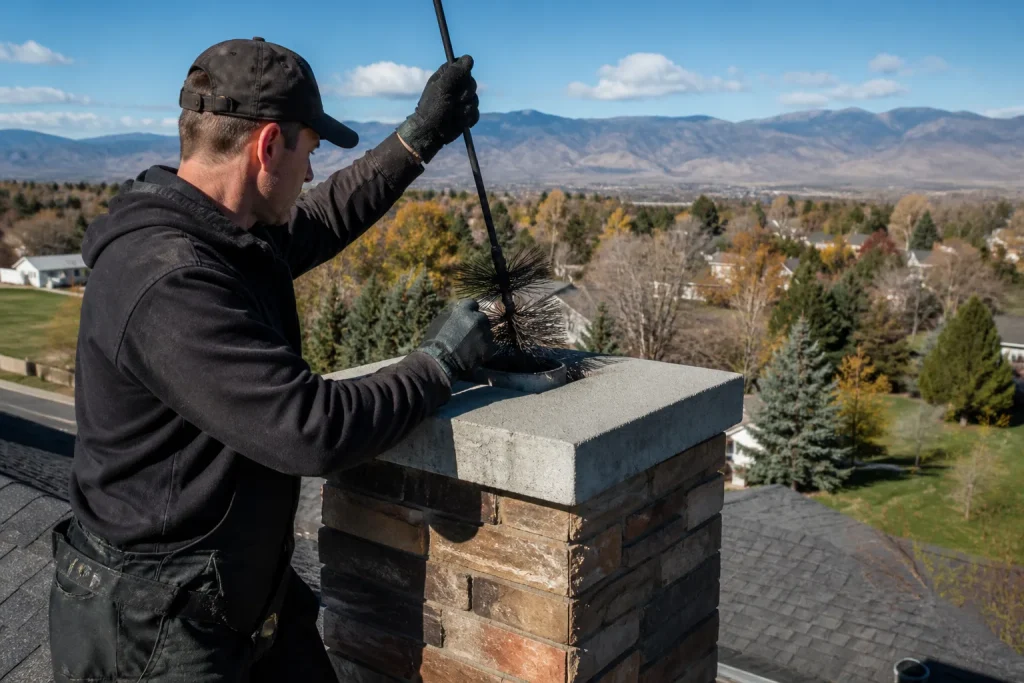
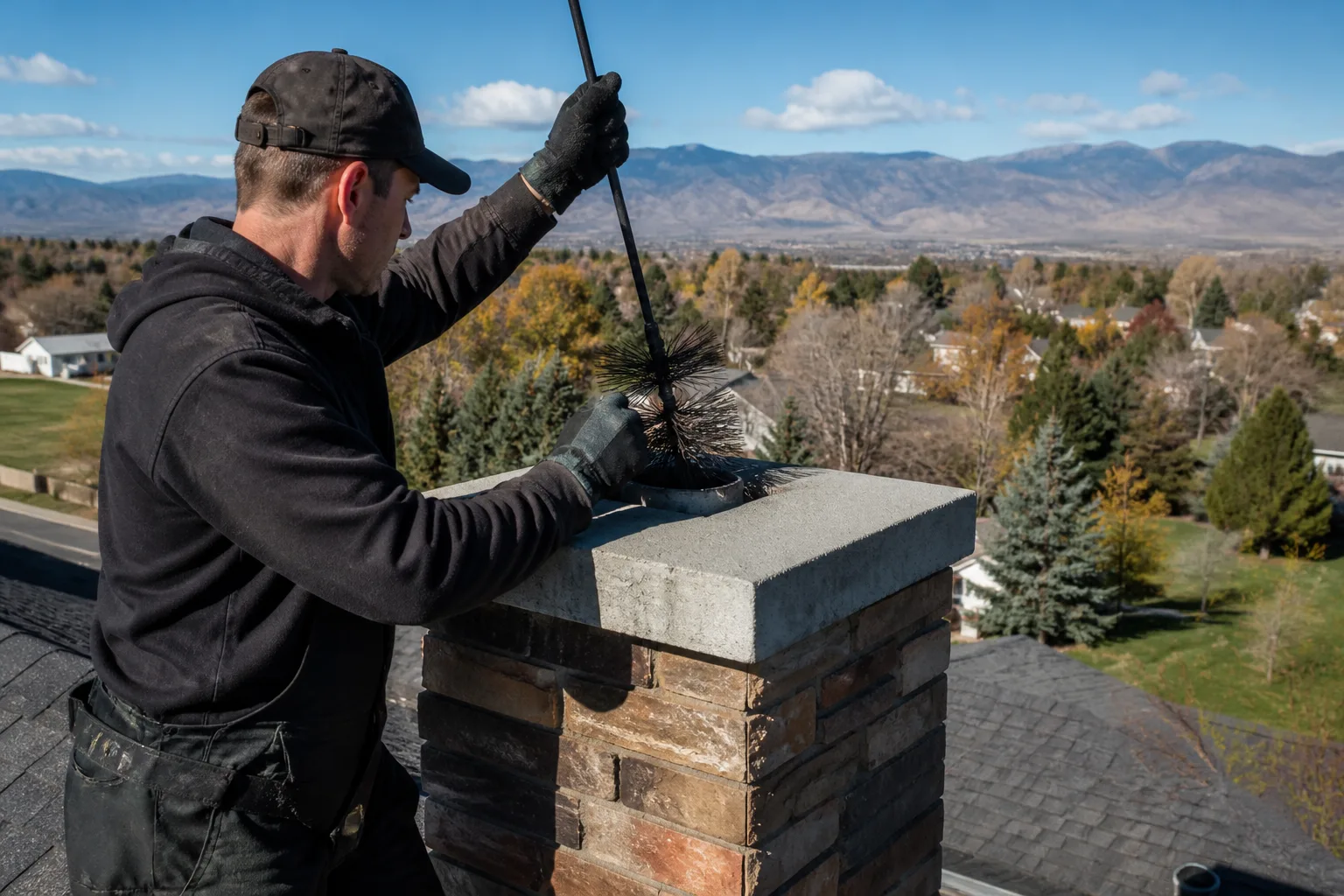
Related services in Lafayette: a fireplace repair assessment if the firebox or damper isn’t sealing properly, and our dedicated chimney sweep for a routine cleaning. If you want the full picture of how we work, start at Lafayette Chimney Sweep.
The Bottom Line
The signs that your chimney needs cleaning are mostly things you sense rather than see. Your nose catches creosote, debris, or trapped moisture. Your fire tells you about draft problems through slow starts and weak flames. Your eyes catch the details that matter – glazed deposits, white staining, rust. Read all three and you’ll catch problems before they become hazards.
If you’re in Lafayette and need help, Lafayette Chimney Sweep offers free estimates. Every visit includes a camera inspection and a photo report, and the written estimate sets the final price. Call (844) 272-3731. We answer 24/7. Fast dispatch from 7am to 7pm, Sunday through Friday. We’re closed on Saturday.
Frequently Asked Questions
Most wood-burning chimneys should be swept once a year if they’re used regularly, or whenever creosote buildup reaches about an eighth of an inch. Gas fireplaces build up less soot but still need an annual inspection. The right interval depends on how often you burn and how dry your wood is, so have it checked and get a real answer rather than guessing. Call (844) 272-3731 for a free estimate.
Skipping a sweep lets creosote accumulate, and advanced creosote is a fire hazard. It also reduces draft, which can push smoke and carbon monoxide back into your living space instead of up the flue. Blockages from debris or nests make both risks worse. The point isn’t to alarm you; it’s that the things a sweep catches are far easier to fix than the problems they can create. Call (844) 272-3731 to schedule an inspection.
Not always. A damaged flue lining can sometimes be restored rather than replaced. HeatShield resin resurfacing is an option for damaged liners and saves significantly over full relining, but it depends on the condition of the flue. You should never be told you need a new liner without seeing images of the actual damage, so ask to see them. Call (844) 272-3731 for a camera inspection.
Sweep pricing varies with the job, and the price is set per job by a written estimate, so we won’t quote you a number over the phone and surprise you later. The estimate is free, and it comes after a real inspection of your system. Call (844) 272-3731 for an exact quote – estimates are free.
Written by the team at Lafayette Chimney Sweep.
Need Chimney Cleaning Help?
Call Lafayette Chimney Sweep - the local pro we connect you with is licensed and insured, here with fast help in Lafayette.
(844) 272-3731