
Chimney Sweep Cost Guide: What Lafayette Homeowners Pay in 2026
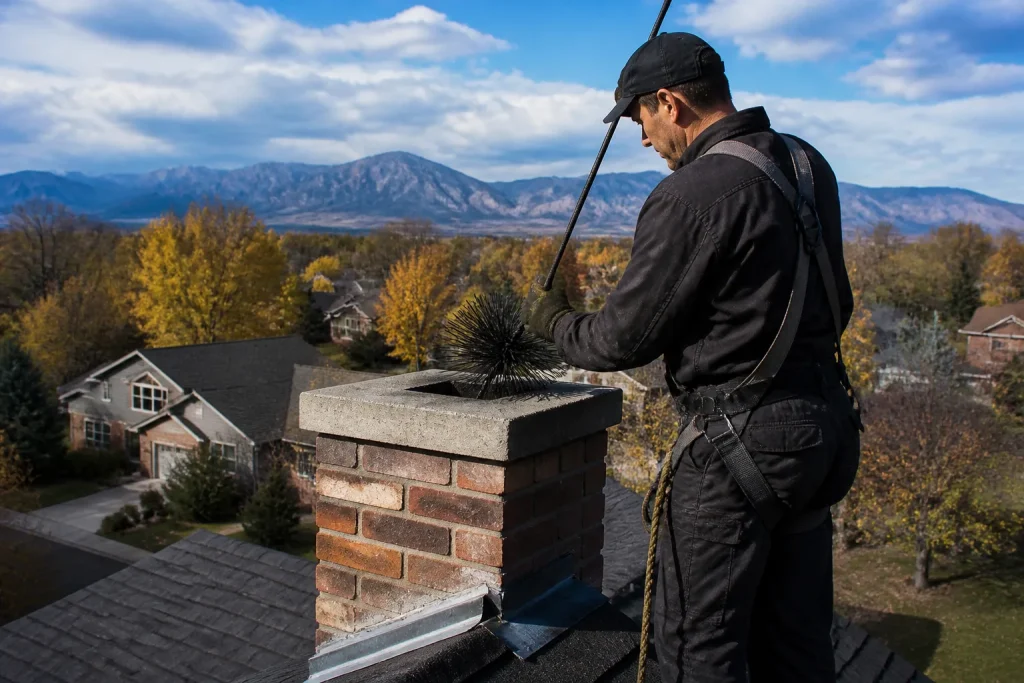
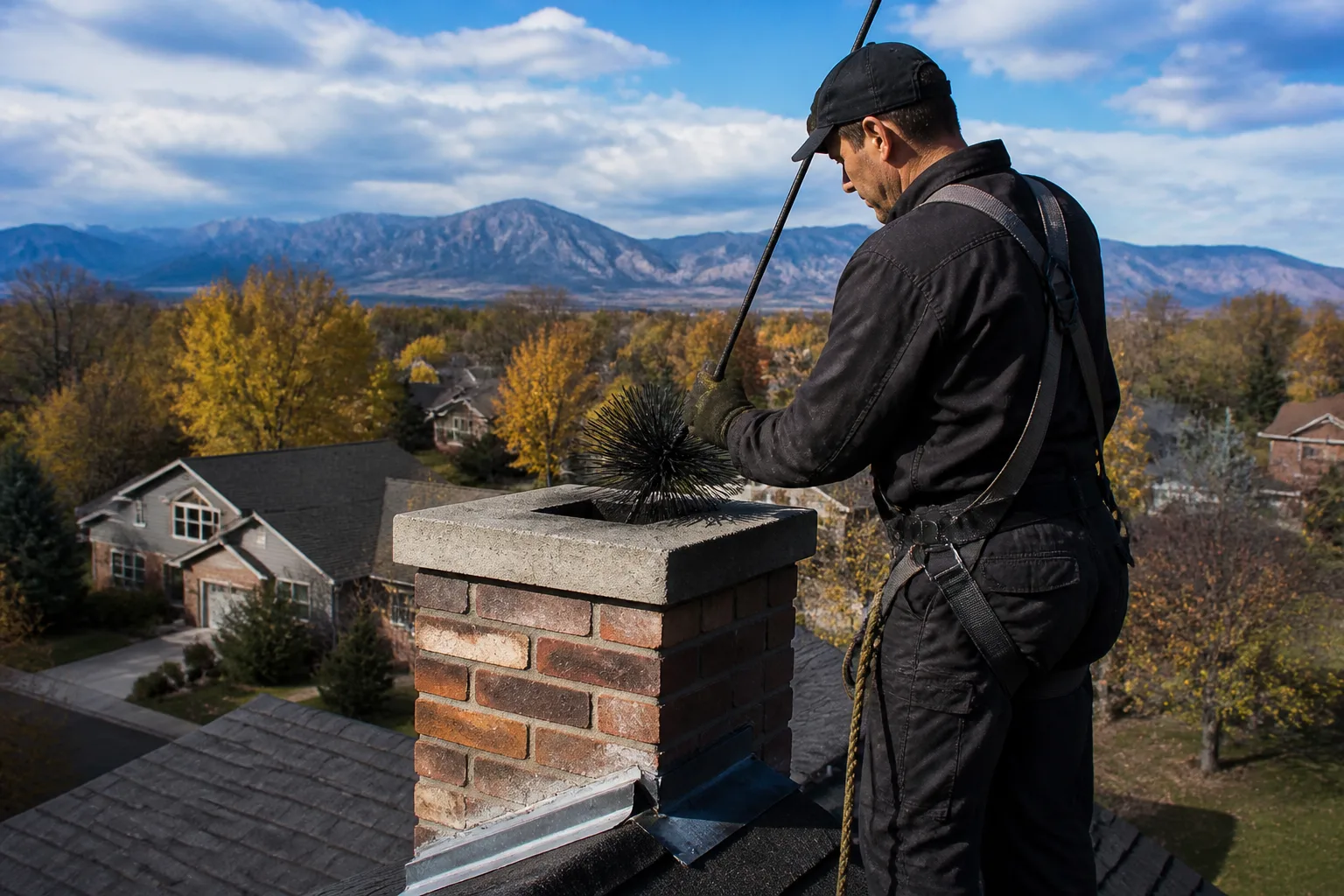
A $79 sweep coupon covers about 20 minutes of work. A proper Level 2 inspection with video scanning runs closer to 90. That gap isn’t profit margin – it’s time, equipment, and liability. Most Lafayette homeowners shopping for chimney service are comparing numbers that were never measuring the same thing. This guide breaks down what actually sits behind each line on a quote, so you can tell a fair price from a padded one and know which items you genuinely can’t skip.
If you’d rather have a specialist look at your system than sort through coupons, call (844) 272-3731. We answer 24/7, with fast dispatch from 7am to 7pm, Sunday through Friday.
Key Takeaways
- A basic sweep in Lafayette typically runs $180 to $320 depending on creosote buildup and access.
- A Level 2 inspection with video scanning usually adds $150 to $350 – and it’s the only way to see the flue interior above the smoke chamber.
- Most quotes differ on three things: how much creosote is present, how hard the roof is to reach and work on, and what materials get used for any repair.
- Ignoring a $400 crown or flashing repair is how a $3,000-plus liner replacement happens two winters later.
Why do chimney sweep prices vary so much in Lafayette?
Chimney service pricing in Lafayette isn’t random, but it isn’t standardized either. Two quotes for what sounds like the same job can land hundreds of dollars apart because they’re pricing different amounts of work. The biggest drivers are creosote volume and stage, roof pitch and access, chimney height, the number of flues being serviced, and whether the technician is also doing an inspection. A house on a steep lot with a tall exterior chimney takes more setup, more fall protection, and more time than a ranch with a short flue and easy roof access. Lafayette’s housing stock includes plenty of both, and the quote should reflect that honestly rather than hiding it in a flat rate that’s either too high for the easy job or too low to do the hard one safely.
Here’s what typically moves the number:
- Creosote stage: light soot brushes out quickly; glazed, hardened creosote takes rotary tools and considerably more time.
- Roof access and pitch: steeper pitches and multi-story exteriors call for additional fall protection and slower, more careful setup.
- Chimney height and flue count: a tall stack or a second flue adds labor.
- Inspection level: a visual check is not the same as a full video scan, and the price reflects the difference.
- Travel radius: properties farther from town can carry a modest trip adjustment; ask whether it’s included before you book.
What’s the difference between a basic sweep and a Level 2 inspection?
A basic sweep removes soot and creosote from the accessible flue. A Level 2 inspection goes further: it examines the flue interior, joints, smoke chamber, and connections with a video camera, typically triggered when you change fuel types, install a new appliance, or after a chimney fire. That added time and equipment – the camera, the scanning, the technician’s trained eye on the footage – is why it costs more. It’s also why it catches cracked tiles and gaps a visual pass can’t see from the firebox.
A quick way to compare:
- Sweep only: removes buildup, reduces fire risk. Doesn’t tell you what shape the flue is in.
- Sweep plus Level 1: adds a visual check of accessible components.
- Level 2 with video: reveals joint integrity, hidden cracks, and offsets. This is where real problems surface.
We do inspection and repair with the same team, which removes the conflict that appears when an inspector has an incentive to find work for a separate repair contractor. You see the footage, and you decide.
What do professional-grade materials actually cost, and why does it matter?
The materials behind a repair are where cut-rate quotes hide the most. A crown sealant, a smoke-chamber parging compound, or a liner system is not a commodity. Professional-grade products like HeatShield’s resurfacing compound, DuraFlex liners, Olympia Chimney components, and Gelco crown materials cost more wholesale than the anonymous substitutes some operators reach for. The difference shows up years later as a repair that fails early.
HeatShield is a good example. It’s a proprietary resurfacing system that can restore a damaged flue rather than replace it, at a fraction of full relining cost – but not every sweep is equipped or trained to apply it. When it fits your situation, it can turn a multi-thousand-dollar reline into a far smaller restoration. That’s a genuine cost lever worth asking about.
When you look at any quote, the materials line should say what’s being used, not just “sealant” or “liner.” If it doesn’t, ask.
How do you read a chimney service quote line by line?
Most quotes contain three kinds of items: the safety essentials, the sensible upgrades, and the padding. Sorting them is the fastest way to compare apples to apples. Safety items are non-negotiable – anything addressing creosote, flue integrity, or carbon-monoxide risk belongs in the must-do column. Upgrades are legitimate but can wait. Padding is where a price gets inflated without adding value.
- Non-negotiable: sweeping when creosote has built up, repairing a cracked crown or failed flashing that’s letting water in, restoring a compromised flue liner.
- Optional upgrades: a decorative shroud, upgraded cap style, cosmetic firebox work.
- Watch for padding: vague “system tune-up” charges, items listed without a described need, or add-ons that don’t map to anything visible in your inspection footage.
When you need actual repairs on the firebox or damper, that’s fireplace repair territory, and it’s worth having done by the same specialist who inspected the system. For a routine chimney sweep, the price should reflect the real creosote load – not a flat coupon rate that undercuts on the easy jobs and disappears when the work gets harder.
Why does deferring a small repair cost so much more later?
A $400 crown or flashing repair deferred for a couple of seasons is how a homeowner ends up facing a $3,000-plus liner replacement. Water is the quiet destroyer. A cracked crown lets moisture seep into the masonry and flue; freeze-thaw cycles in Lafayette’s high-country climate then work that moisture into the joints, and what started as a surface crack becomes a structural problem. The liner corrodes or cracks, and now you’re relining rather than restoring.
The cost trajectory usually looks like this:
- Early: a crown seal or flashing repair, a few hundred dollars.
- Mid: water damage to the masonry and flue joints, creeping toward four figures.
- Late: a full liner replacement plus masonry repair, several thousand dollars.
Catching it early is where a professional-grade chimney repair pays for itself twice over. A capped, crowned chimney stays dry and stays safe. That’s the whole argument for preventive work in this climate.
When should you call a pro?
Some things are genuinely a quick look, and some are a call-now situation. Call a trained professional if you smell a strong creosote odor, notice smoke backing into the room, see cracked or missing mortar, find water staining near the firebox, or haven’t had the system inspected in a while. Chimney interiors, flue liners, and roofs are not DIY territory – the height and the fire risk both argue for a specialist. A trained eye catches what a flashlight can’t.
Our technicians have up to 10 years of experience, and we handle the full system from firebox to crown. Call (844) 272-3731. We answer 24/7, with fast dispatch from 7am to 7pm, Sunday through Friday. Closing on Saturday, so a Sunday call gets booked into the next opening.
Frequently Asked Questions
Most basic sweeps in Lafayette run roughly $180 to $320, depending on creosote buildup and roof access. A Level 2 inspection with video scanning usually adds $150 to $350. Call (844) 272-3731 for an exact quote – estimates are free.
A sweep is enough for routine maintenance, but a Level 2 inspection is the only way to see cracks and gaps in the flue above the smoke chamber. If you’ve had a chimney fire, changed fuel type, or never had the flue scanned, it’s worth it. Call (844) 272-3731 to talk through your situation – estimates are free.
Sweep your chimney when creosote has built up to about an eighth of an inch, which for regular wood-burning use often means annually. Gas fireplaces need less frequent sweeping but still benefit from an annual inspection. Call (844) 272-3731 to get an honest read on your system – estimates are free.
Sometimes yes. HeatShield resurfacing can restore a damaged flue rather than replace it, at a fraction of full relining cost, though not every situation qualifies. Call (844) 272-3731 for an assessment – estimates are free, and nothing gets recommended without camera evidence you can see.
The Bottom Line
Chimney service pricing in Lafayette isn’t arbitrary – every line on a quote maps to real labor and real material. Learn the drivers (creosote load, roof access, materials grade) and you can compare quotes honestly instead of grabbing the lowest number. If you’d like to have your system looked at by a specialist who handles sweeping, inspection, and repair under one roof, Lafayette Chimney Sweep offers free estimates – call (844) 272-3731. We answer 24/7, with fast dispatch from 7am to 7pm, Sunday through Friday.
Written by the team at Lafayette Chimney Sweep.
Need Chimney Cleaning Help?
Call Lafayette Chimney Sweep - the local pro we connect you with is licensed and insured, here with fast help in Lafayette.
(844) 272-3731